Water-Wise Gardening
As we roll into the heart of summer in the Mid-Ohio Valley (USDA Zones 6-7), those hot, humid days can turn your garden into a thirsty battlefield. With rising temps and unpredictable rainfall, water-wise practices aren’t just smart—they’re essential for keeping your plants thriving without draining your well (or your water bill).

Today, we’re diving into key techniques: mulching, fertilizing, deadheading, and strategic trimming during heat waves. These steps help conserve moisture, reduce stress on your plants, and keep your landscape looking sharp all season long. Let’s keep growing smarter, not harder!
1. Mulch Like Your Garden Depends On It (Because It Does)
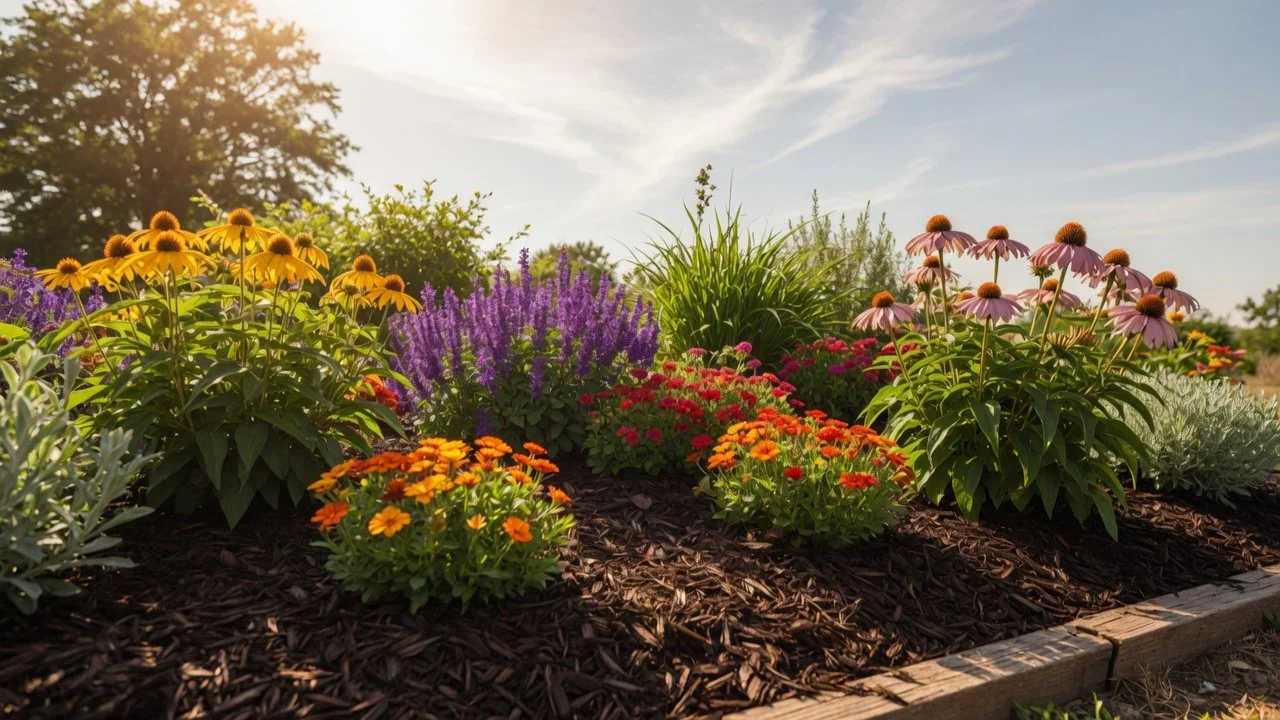
Mulch is your garden’s best friend during summer scorchers. A good 2–4 inch layer of organic mulch (like wood chips, straw, pine needles, or compost) does triple duty: it locks in soil moisture by cutting evaporation, keeps roots cooler, and suppresses weeds that steal water.
Pro Tips for Our Area:
Apply mulch after a good rain or deep watering so the soil starts moist.
Keep it a couple inches away from plant stems to prevent rot.
Refresh as needed—organic mulches break down and feed the soil over time.
For veggie beds or flower gardens, straw or shredded leaves work great and are easy to source locally.
At Bob’s, we’ve got plenty of bagged mulch options and plants that pair perfectly with it. Your certified wildlife habitat (or new beds) will thank you with fewer watering sessions.
2. Fertilizing: Timing Is Everything in the Heat
Fertilizer can give plants a boost, but in extreme heat, it’s easy to do more harm than good. Stressed plants under a blazing sun often can’t handle the push for new growth—excess nitrogen can lead to weak, leggy foliage that demands even more water.
Water-Wise Fertilizing Strategy:
Avoid fertilizing during peak heat waves. Wait for cooler stretches or early/late in the season.
When you do feed, go light and use slow-release or organic options (compost tea, balanced granular fertilizer). Focus on root support with a bit more phosphorus/potassium.
Water deeply before and after applying to help it reach roots without burning.
For recovery after heat stress, a gentle feeding once temps drop can replenish nutrients.
Locally, test your soil (Bob’s can point you to resources like WVU Extension Services) and lean on mulch and healthy soil biology to reduce the need for frequent feeding.
3. Deadheading: Keep the Blooms Coming with Less Effort
Deadheading—snipping off spent flowers—redirects the plant’s energy from seed production back into roots, foliage, and new blooms. It’s a simple way to maintain vigor without adding extra water demand.
How to Do It Right:
Use clean shears and cut just above a leaf node or healthy bud.
Do this regularly on annuals like marigolds, zinnias, and petunias, and perennials like coneflowers or salvia.
In hot weather, it reduces overall stress and keeps plants looking tidy and productive.
Bonus: Collect those clippings for the compost pile!
This low-effort task pays off big in water savings because healthier, more compact plants use resources more efficiently.
4. Trimming Back Growth During Heat Waves: Prune with Caution
Heavy pruning stresses plants when they’re already fighting the heat, so go easy. Light trimming can help by reducing transpiration (water loss through leaves) and encouraging stronger structure.
Smart Heat-Wave Trimming:
Focus on removing dead, damaged, or diseased growth to prevent pests and disease.
For vigorous growers like tomatoes or certain perennials, pinch back tips lightly to control size and direct energy to fruit/flowers.
Avoid major cuts on newly planted or struggling plants—wait for evening cool-downs.
Pair with deep watering and shade cloth if needed for tender spots.
In our valley’s humid summers, good airflow from selective trimming also helps fend off fungal issues.
Additional Water-Saving Must-Dos
Water Deep and Infrequently: Early morning is best—aim for roots, not leaves. Soaker hoses or drip systems are game-changers.
Choose Tough Plants: Natives and drought-tolerant varieties from Bob’s (think certain perennials and natives) handle our swings better.
Monitor and Mulch Again: Check soil moisture by digging a few inches down. Re-mulch bare spots.
By embracing these water-wise habits, you’ll enjoy a more resilient garden, lower water use, and more time to sit back with a cold drink. Your backyard wildlife habitat, veggie patch, or flower beds will stay vibrant even when the temps climb.
Stop by Bob’s Market and Greenhouses for mulch, expert advice, the right plants, and everything else you need to succeed. Share your water-wise wins on our socials—we love hearing from fellow growers in the Mid-Ohio Valley!