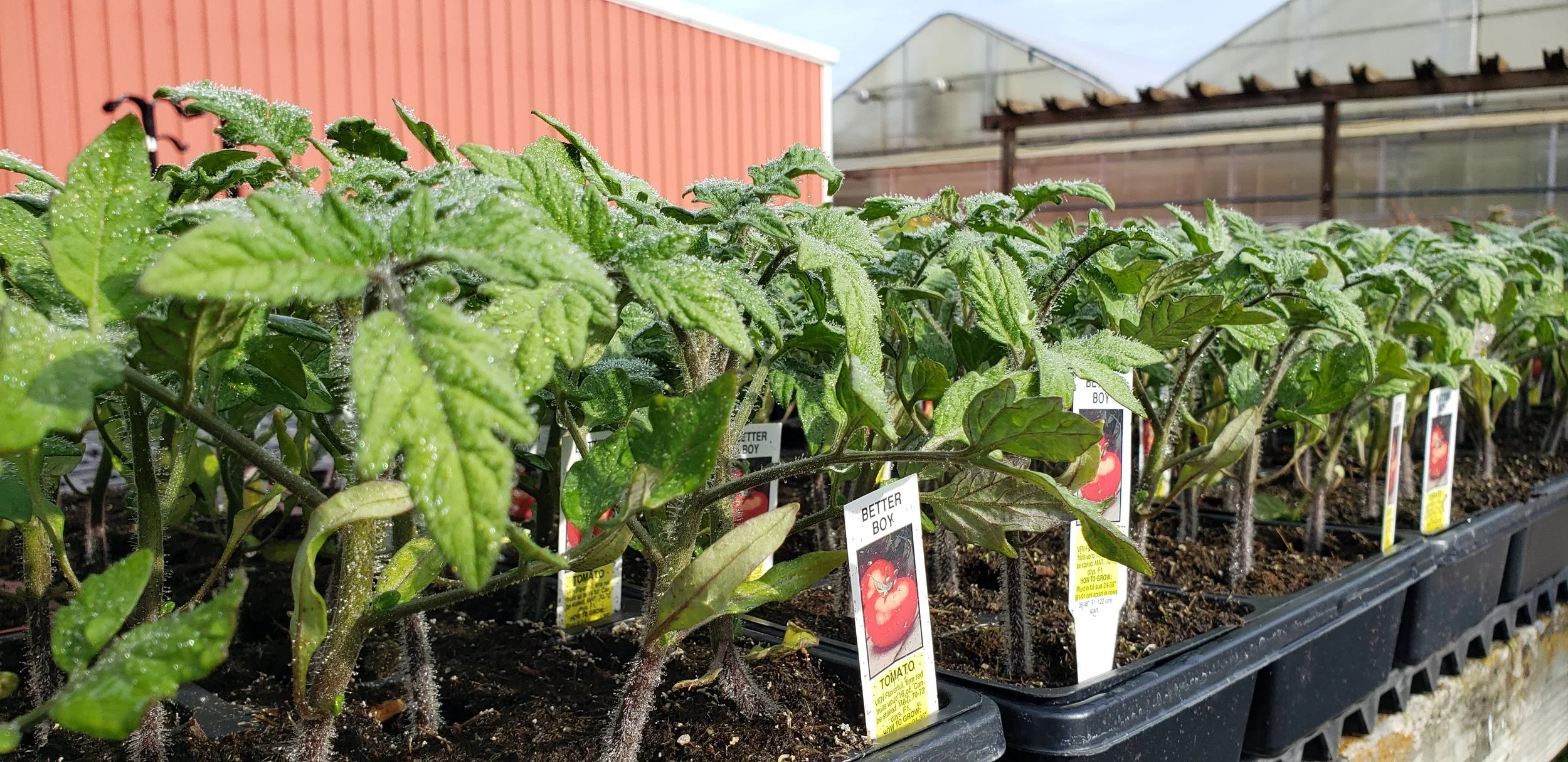
Tomato TLC
By mid-June, our tomato plants are hitting their stride—vines stretching, flowers turning into little green marbles, and that unmistakable tomato scent filling the air. But summer in the Mid-Ohio Valley (USDA Zones 6-7) brings heat, humidity, and those afternoon thunderstorms that can challenge even the hardiest plants.
Now’s the time for some serious TLC (Tender Loving Care) to keep your tomatoes productive right through the season. Here’s your practical guide to summer tomato success.
1. Water Wisely – Deep and Consistent
Tomatoes are about 95% water, so consistent moisture is key. Aim for 1–2 inches of water per week, delivered slowly at the base of the plant to avoid wetting the leaves (which invites disease).
In hot, dry spells, water deeply every few days rather than a little every day.
Mulch is your best friend here—add a 2–3 inch layer of straw, shredded leaves, or wood chips around the base after the soil has warmed. It conserves moisture, keeps roots cool, and suppresses weeds.
Pro Tip: Use soaker hoses or drip irrigation for efficient delivery, especially if you’re managing a bigger patch at home.
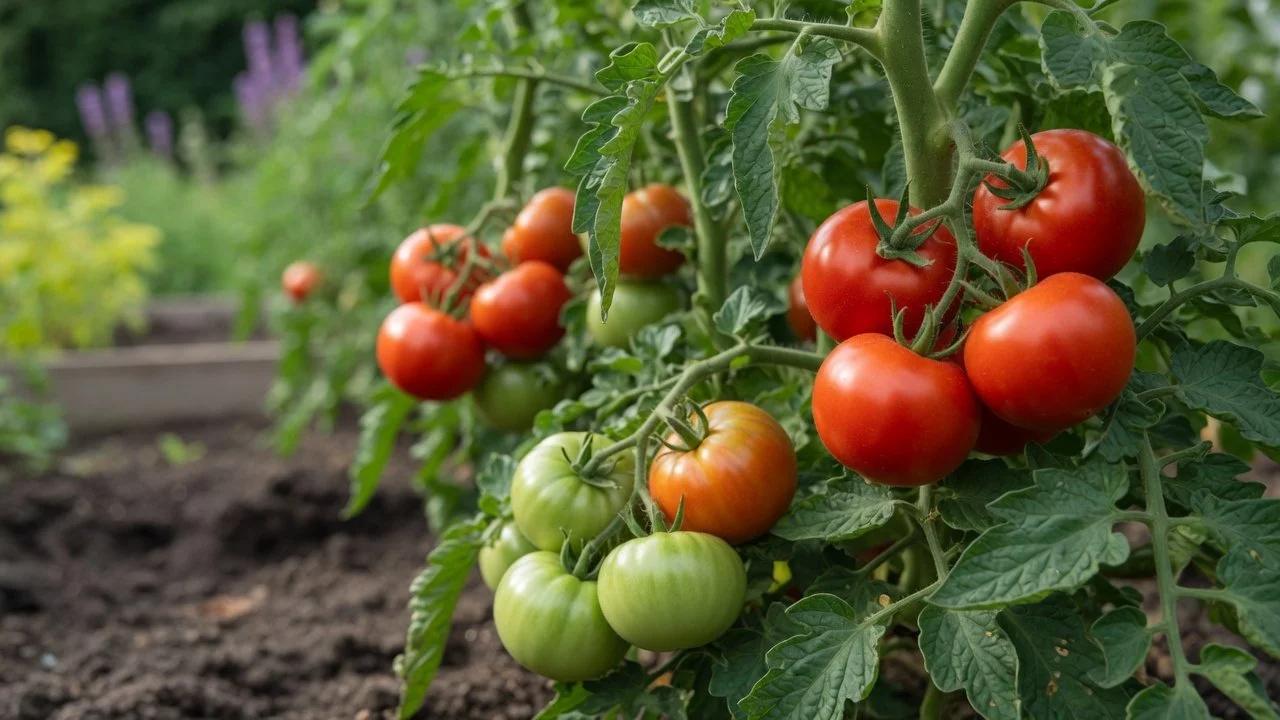
2. Support Those Heavy Vines
Indeterminate varieties (the ones that keep growing and producing all summer) can get massive. Stake, cage, or trellis early and often.
Tie vines loosely with soft twine or strips of old t-shirt material as they grow.
Prune suckers (those shoots that pop up in the “V” between the main stem and a branch) to improve airflow and direct energy to fruit production. Don’t go overboard on determinate (bush) types—they need less pruning.
Good air circulation helps prevent fungal issues like early blight that love our humid summers.
3. Feed for Flavor and Fruit
Tomatoes are heavy feeders. After the first fruits set, side-dress with a balanced tomato fertilizer or compost tea every 3–4 weeks. Look for formulations higher in phosphorus and potassium to support fruiting rather than just leafy growth.
Avoid high-nitrogen fertilizers mid-season—they’ll give you lush leaves but fewer tomatoes.
A handful of crushed eggshells or a sprinkle of bone meal can help prevent blossom end rot by providing calcium.
4. Watch for Pests and Problems
Summer brings hornworms, aphids, and diseases. Scout your plants regularly:
Hand-pick tomato hornworms (those big green caterpillars) in the early morning—they’re easier to spot then.
For diseases like blight or septoria, remove affected leaves promptly and clean up fallen debris at the end of the season.
Companion planting with basil, marigolds, or nasturtiums can help deter some pests naturally.
If things look off (yellowing leaves, spots), bring a sample into Bob’s Market—we’re happy to help diagnose.
5. Harvest Smart and Keep ‘Em Coming
Pick tomatoes when they’re fully colored but still a bit firm for best flavor and to encourage more production. Leaving overripe fruit on the vine can signal the plant to slow down.
In our area, expect peak production through August and into September if you stay on top of care.
At the end of the season (first frost warning), harvest green tomatoes for frying or ripening indoors in a paper bag.
Bonus Local Advice for the Mid-Ohio Valley
Keep an eye on those hot, humid days—good airflow and mulch are your defenses against fungal woes.
Succession planting or having a few extra transplants ready can extend your harvest if early plants get stressed.
Join the Bob’s Market VIP Club for text alerts on frost advisories, sales, and seasonal tips.
Your summer tomatoes can be the stars of salads, sauces, and backyard BLTs with just a bit of consistent care. Stop by Bob’s Market in Mason, Belpre, and Gallipolis, for quality transplants (if you’re starting late), fertilizers, mulch, cages, and expert advice. We’re here to help your garden thrive!