From Spring Greens to Summer Bounty
Hey there, fellow gardeners! John Morgan here from Bob’s Market and Greenhouses in Mason, WV. As we hit early June in the Mid-Ohio Valley (USDA Zones 6-7), those cool-season spring stars like lettuces, spinach, and radishes are starting to bolt, turn bitter, or call it quits in the rising heat. It’s the perfect time to clear the decks and roll out the welcome mat for heat-loving summer vegetables like corn, beans, okra, tomatoes, and peppers.
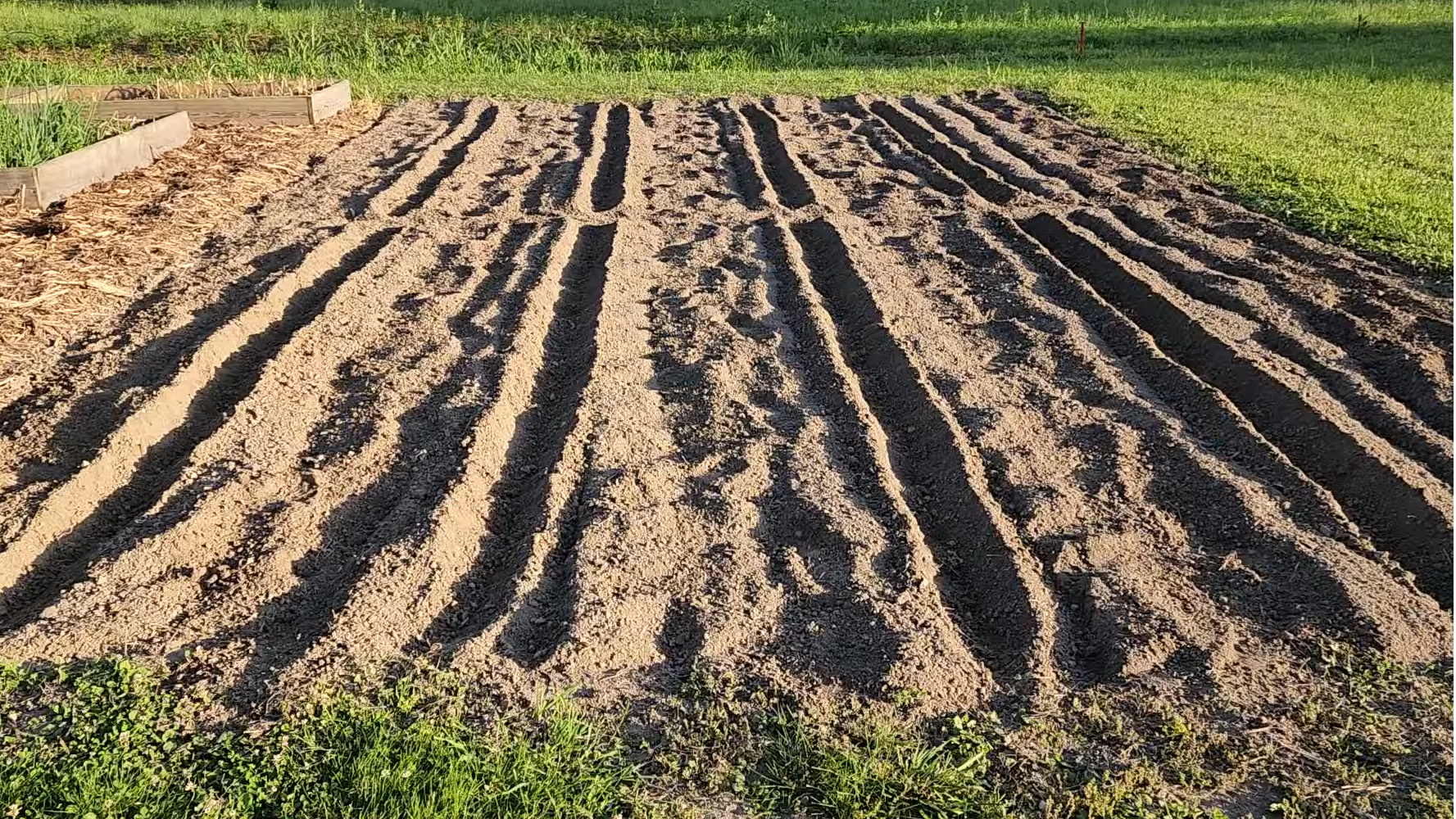
This seasonal handoff—often called succession planting—keeps your garden productive all season long without wasting precious space. Let’s walk through how to make the switch smoothly for bigger harvests and happier plants.
Why Transition Now?
Spring crops thrive in cooler temps (50-70°F) and shorter days, but as we move into summer with consistent 80°F+ days and warmer nights, they slow down or go to seed. Warm-season crops, on the other hand, love the heat and longer days. In our area around the Ohio River, the average last frost is long gone (mid-to-late April), and soil temps are climbing nicely into the 60s-70s°F—ideal for direct sowing or transplanting many summer favorites.
Timing tip for the Mid-Ohio Valley: Early June is prime for most of these transitions. You’ll get harvests starting in July and August, with plenty of time before our typical first fall frost in mid-to-late October.
Step-by-Step Transition Guide
1. Harvest and Clear Out the Old Pull or cut finished spring crops at the base. If they’re not completely done, harvest what you can—bolting lettuce can still go into salads or pesto! Compost healthy debris (avoid diseased plants). This frees up space and reduces pest/disease carryover. Pro tip: Leave roots in the ground if possible; they’ll break down and add organic matter.
2. Refresh the Soil Don’t skip this—spring crops are heavy feeders, and summer ones will be too.
Add 2-4 inches of compost or well-rotted manure.
Mix in a balanced organic fertilizer (like Bob’s recommendations for veggies).
Test soil pH if you can (aim for 6.0-7.0 for most veggies).
Mulch after planting to retain moisture and suppress weeds—our hot, sometimes dry summers make this essential.
Raised beds or good drainage helps here, especially after spring rains.
3. Choose and Plant Your Summer Stars Here’s what works great right now in our region:
Beans or Okra: Bush or pole beans are fast and productive. Direct sow bush beans now through early July for continuous picks. Okra loves the heat—sow seeds or transplant starts after soil hits 65-70°F. Both are forgiving and prolific.
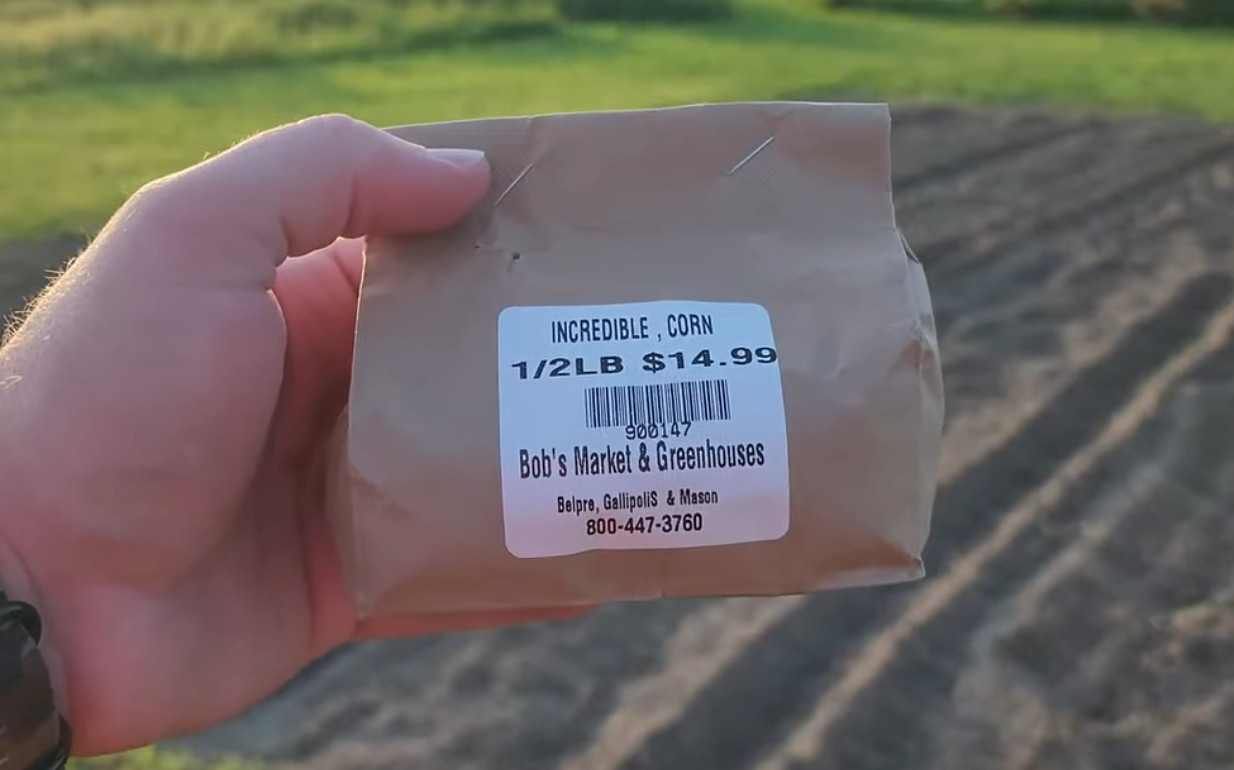
Corn: Sweet corn needs warm soil and full sun. Plant in blocks (not single rows) for good pollination. Succession sow every 1-2 weeks for staggered harvests. Great for our Zone 6-7 timeline.
Tomatoes and Peppers: If you haven’t already, get transplants in now (or up to early July). Stake or cage them early. Tomatoes and peppers are the MVPs of summer gardens—choose disease-resistant varieties suited to our humidity. Mulch heavily and water consistently at the base to prevent blossom end rot.
Bonus Succession Ideas: Intersow quick growers like bush beans between slower ones, or follow early peas/tomatoes with a second round of beans or squash. Rotate crop families (e.g., don’t plant nightshades like tomatoes/peppers where they were last year) to keep soil healthy.
Common Pitfalls to Avoid
Planting too late: Get those warm-season crops in soon for peak production.
Forgetting water: Summer heat + new transplants = extra irrigation needs (1-2 inches per week).
Poor spacing: Crowding leads to disease—give corn, tomatoes, and okra room to breathe.
Skipping hardening off: If using starts, gradually expose them to outdoor conditions.
Keep the Garden Thriving
Monitor for pests like aphids or squash bugs as things heat up, and stay on top of weeds. Join our Bob’s Market VIP Club for emails and text alerts on sales, frost updates (though we’re past that for now), and seasonal tips—no spam, scout’s honor! Stop by for quality plants, seeds, soil, mulch, and expert advice from the team.
Transitioning your garden from spring to summer is like handing off the baton in a relay—do it right, and you’ll cross the finish line with a overflowing harvest.