Summer Bug Defense
As the summer heat ramps up here in the Mid-Ohio Valley (USDA Zones 6-7), your tomatoes, squash, cucumbers, beans, and peppers are hitting their stride. But so are the bugs. Don’t let pests turn your backyard bounty into an all-you-can-eat buffet. At Bob’s Market and Greenhouses, we hear from customers every week about squash bugs, hornworms, Japanese beetles, and more. The good news? You can defend your garden naturally and effectively without harsh chemicals.
Here’s your practical guide to summer bug defense tailored for our local growing conditions.
Common Summer Pests in Our Area
Keep an eye out for these frequent offenders during June, July, and August:
Squash Bugs & Squash Vine Borers: They love your zucchini, pumpkins, and cucumbers. Look for grayish-brown bugs and wilting vines.
Tomato Hornworms: Those big green caterpillars can strip a tomato plant overnight. Check the undersides of leaves.
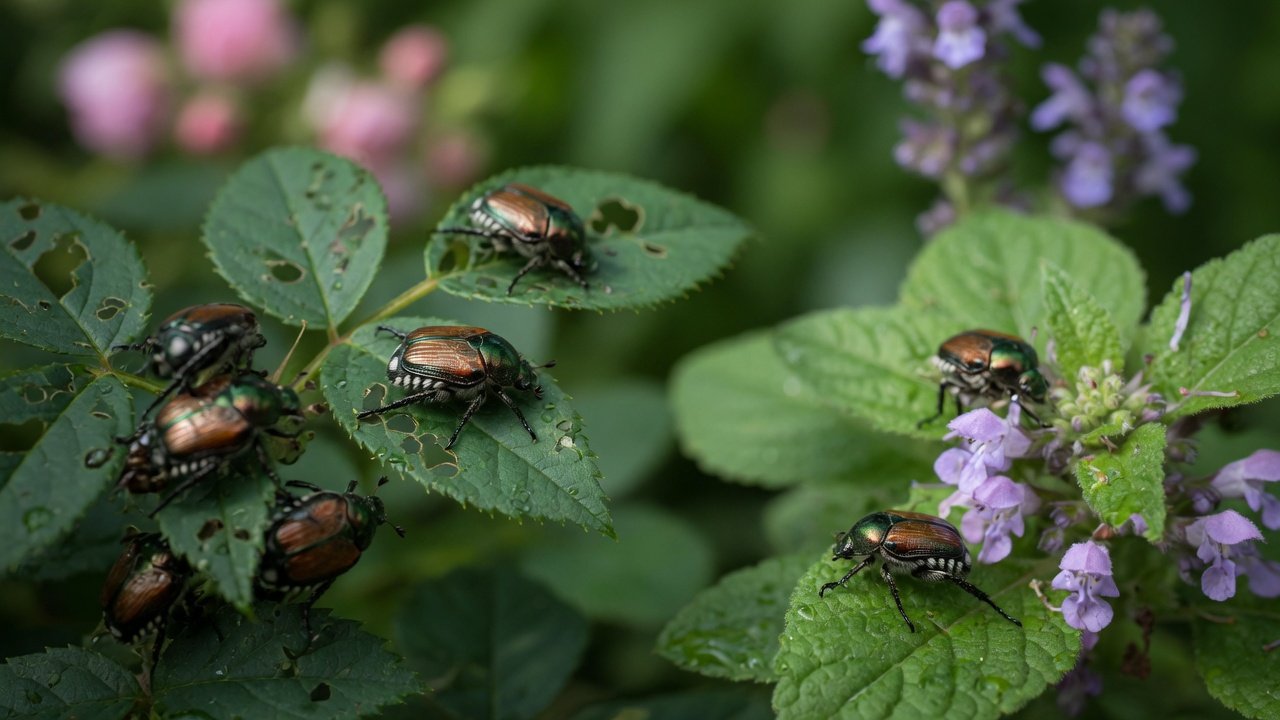
Japanese Beetles: Metallic green and copper invaders that skeletonize leaves, especially on beans, grapes, and roses (which can spill over to veggies).
Aphids & Whiteflies: Tiny sap-suckers that cluster on new growth and leave sticky honeydew.
Cucumber Beetles & Flea Beetles: Striped or spotted beetles that chew holes and spread diseases.
Stink Bugs: Shield-shaped bugs that damage fruit and veggies with piercing-sucking mouthparts.
Early detection is key—walk your garden daily in the morning when pests are slower.
Prevention: Build a Strong Defense
The best offense is a strong defense. Start here:
Healthy Soil and Plants: Strong, well-nourished plants resist pests better. Mulch to retain moisture, add compost, and stay on top of watering (consistent moisture without sogginess). Avoid over-fertilizing with nitrogen, which attracts aphids.
Companion Planting: Interplant herbs and flowers that naturally repel pests:
Marigolds deter nematodes, beetles, and aphids.
Basil protects tomatoes from hornworms and whiteflies.
Garlic, onions, and chives repel many chewing insects.
Nasturtiums act as trap crops for aphids.
Row Covers and Barriers: Lightweight floating row covers (available at Bob’s) are a game-changer for young plants. They let in light and water while blocking insects. Secure edges well and remove for pollination when flowers appear.
Crop Rotation and Cleanup: Don’t plant the same family in the same spot year after year. Remove plant debris at the end of the season to reduce overwintering sites.
Natural Control Methods
When pests show up, act fast with these organic approaches:
Handpicking: Effective for larger pests like hornworms and squash bugs. Drop them into soapy water. Check for hornworm eggs and beneficial wasp cocoons (white ones—leave those alone!).
Insecticidal Soaps and Neem Oil: Great for aphids, whiteflies, and soft-bodied insects. Spray in the evening to avoid harming pollinators. Neem also disrupts feeding and reproduction.
Diatomaceous Earth (Food-Grade): Sprinkle on soil and leaves (reapply after rain) to control crawling insects like squash bugs and slugs. It abrades their exoskeletons.
Homemade Sprays: Try garlic-chili or neem-based mixes. A simple blend of water, dish soap, and cayenne can deter many leaf-eaters.
Encourage Beneficial Insects: Ladybugs, lacewings, predatory wasps, and ground beetles are your allies. Plant flowers like dill, fennel, and yarrow to attract them. Avoid broad-spectrum sprays that kill the good guys too.
Timing and Local Tips for the Mid-Ohio Valley
June: Focus on prevention as populations build.
July-August: Peak pressure from heat-loving pests. Monitor after rains, which can boost fungal issues alongside bugs.
Watch for brown marmorated stink bugs later in summer.
Integrate with other summer tasks: Stake tomatoes, trellis cucumbers, and mulch to reduce splash-up of soil-borne problems.
Stay consistent—pest management is an ongoing process, not a one-time fix.