Use The Force(r)
Hey there, garden Jedi! If you're anything like me, staring out at that snowy Mid-Ohio Valley landscape over the last few weeks makes you crave something fresh and tangy from the garden. But wait—rhubarb season doesn't have to be a distant dream in a galaxy far, far away. Enter the rhubarb forcer: your secret weapon (more refined than a blaster) for coaxing those crimson stalks out weeks ahead of schedule. It's like letting your plants join the dark side, and trust me, the results are sweeter than your grandma's pie (minus the wait). Let's dive into this quirky gardening hack that's equal parts science and magic—perfect for us busy gardeners who want to outsmart Mother Nature without breaking a sweat.
What's a rhubarb forcer anyway?
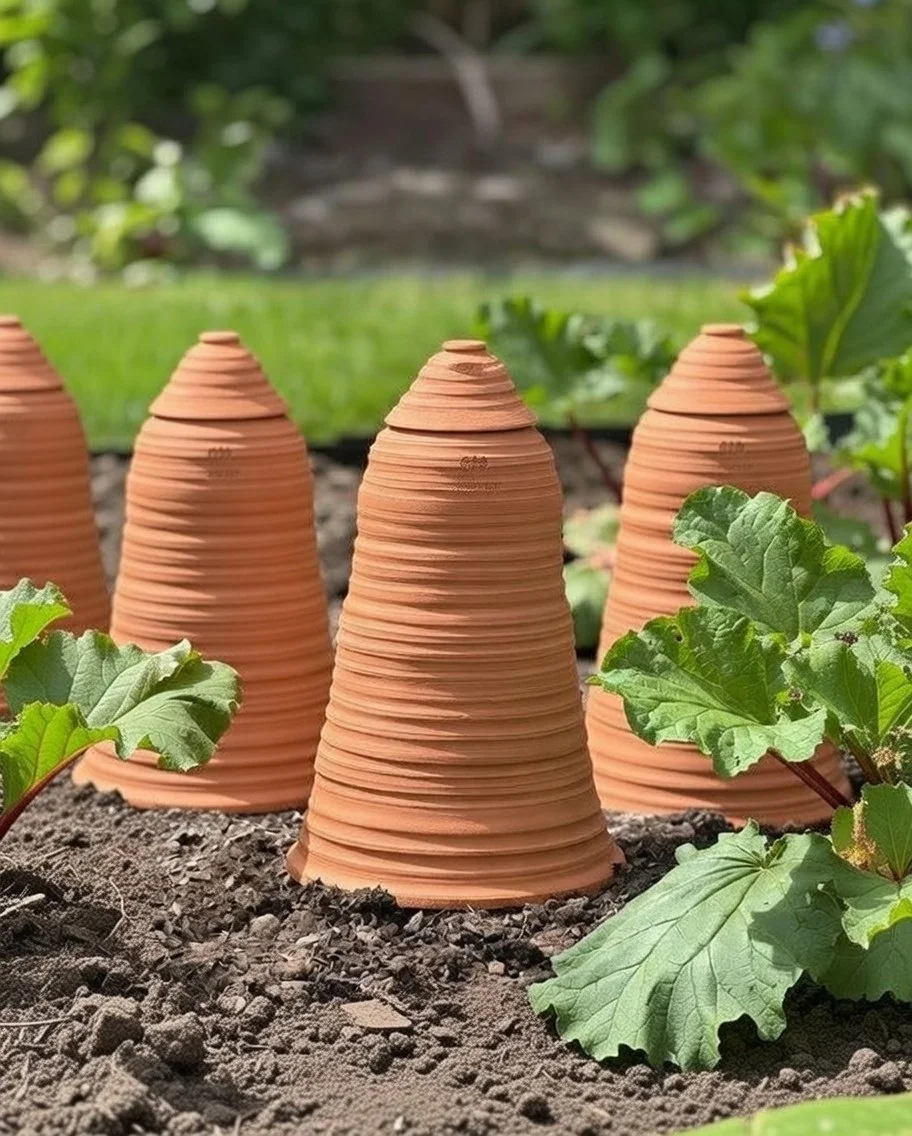
Picture a tall, bell-shaped terracotta pot (or a DIY stand-in) that's basically a plant-sized blindfold. By plopping it over your rhubarb crown, you're blocking out light and cranking up the warmth, which tricks the plant into growing super-fast without all that green chlorophyll business.
The outcome? Tender, pale pink stalks that are less tart and way more delicious than the usual suspects. It's an old-school technique that's been making gardeners giggle with glee for ages, and it's spot-on for our chilly winters here in West Virginia.
Now, the fun part: how to do it yourself. Timing is key—aim for late winter when your rhubarb is still snoozing dormant, like right now in mid-February. Pick a healthy, mature plant (at least two years old) from an early variety if you can—think ones that naturally wake up sooner. Clear away any dead leaves or debris around the base to keep things tidy and pest-free.
Step 1: Grab your forcer.
A fancy terracotta one with a lid is ideal because it looks adorable in the garden and lets you peek inside without ruining the surprise. No forcer? No problem! Use an upturned bucket, barrel, or even a big plastic bin—anything tall enough (at least 18-20 inches) to give those stalks room to stretch.
Step 2: Cover the crown completely.
Make sure no light sneaks in—plug holes with tape or stuff them with straw if needed. For extra insulation (and to fend off our unpredictable frosts), pile straw, mulch, or compost around the outside base. It's like tucking your rhubarb in for a long nap, but one that ends with a growth spurt!
Step 3: Wait it out.
Leave it covered for about 7-8 weeks. You'll know it's ready when the stalks hit the top of the forcer or reach around 18-20 inches long. Harvest by gently pulling or cutting at the base—voilà, early rhubarb for crumbles, jams, or that killer salad dressing.
Why bother, you ask?
Besides the sheer joy of harvesting in March when everyone else is still thawing out their seed packets, forced rhubarb is a taste revelation. It's sweeter, more tender, and lacks that fibrous toughness you sometimes get later in the season. Plus, it's a low-effort way to extend your growing window—great for those of us juggling kids, jobs, and maybe a book club or two. Just a heads-up: Forcing zaps some energy from the plant, so give it a rest and don't force the same crown every year. Rotate them like you do your favorite recipes.