Valentinus - Primus Dies Veris
As February 14th approaches, hearts flutter with thoughts of chocolates, roses, and romantic gestures. But beneath the layers of modern commercialism lies a rich tapestry of history that ties Valentine's Day not just to love, but to the ancient heralding of spring. Let's peel back the centuries to explore its origins and how this day of affection echoes the renewal of life as winter fades.
The Pagan Beginnings: Lupercalia and Fertility Rites
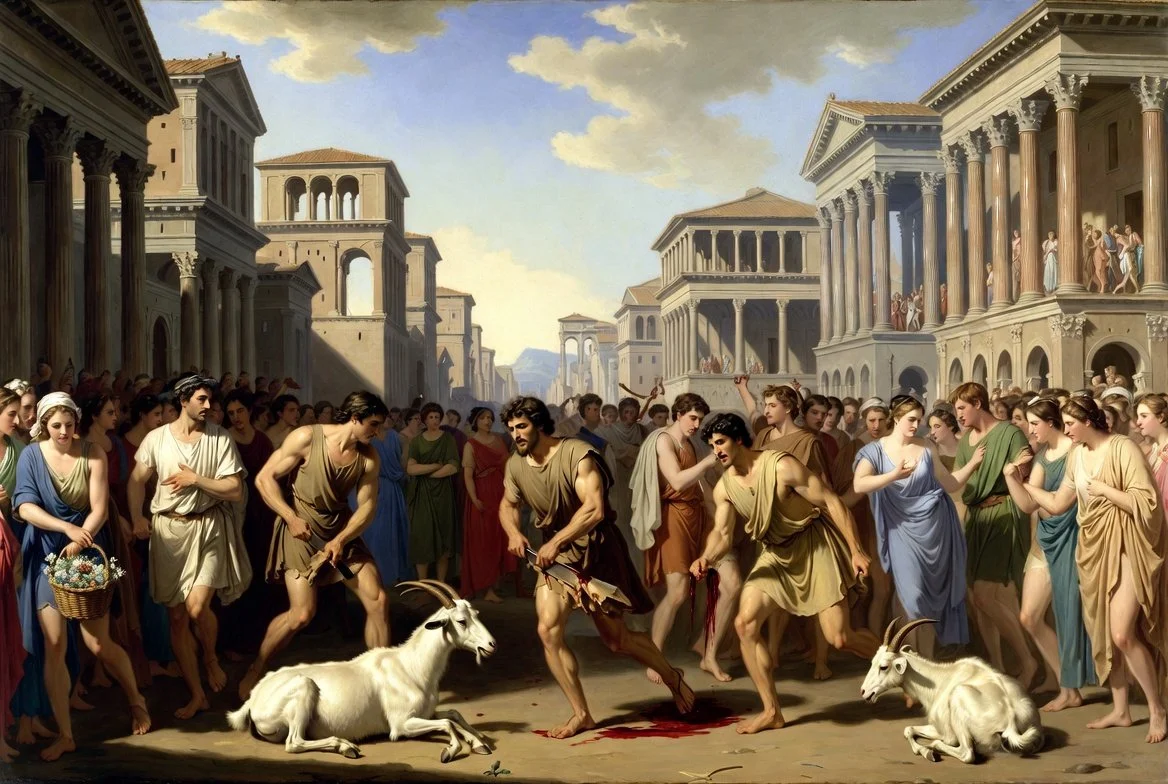
Valentine's Day's story starts in ancient Rome with the festival of Lupercalia, celebrated around February 15th. This raucous event honored Lupercus (or Faunus), the god of agriculture and fertility, as well as the legendary founders of Rome, Romulus and Remus, who were said to have been raised by a she-wolf in the Lupercal cave. (The scientific name for wolves comes from Latin, Canis Lupus.) Far from the sweet sentiments of today, Lupercalia was a wild affair involving animal sacrifices—typically a goat for fertility and a dog for purification. Priests, known as Luperci, would then cut the hides into strips, dip them in blood, and run through the streets gently whipping women and crops to promote fertility in the coming year.
This festival wasn't just about bloodshed; it marked the arrival of spring, a time of renewal, growth, and new beginnings. In the Roman calendar, February was seen as a period of purification and preparation for the agricultural season ahead, blending themes of love, fertility, and the earth's awakening. Women would even volunteer to be struck, believing it would ensure healthy pregnancies and bountiful harvests.
Primus dies veris, the first day of spring!
The Christian Twist: Enter Saint Valentine

As Christianity spread through the Roman Empire, pagan festivals like Lupercalia faced scrutiny. By the late 5th century, Pope Gelasius I outlawed the rite and replaced it with St. Valentine's Day on February 14th, aiming to Christianize the mid-February celebrations. But who was Saint Valentine? The historical figure is shrouded in mystery, with accounts suggesting he was a Roman priest or bishop martyred around 270 CE under Emperor Claudius II. One popular legend claims Valentine defied the emperor's ban on marriages for young soldiers, secretly wedding couples to preserve love amid wartime decrees. Another tale has him sending the first "valentine" note to a jailer's daughter, signing it "From your Valentine."
Whether one man or a composite of several martyrs named Valentine, his association with love helped overlay the fertility themes of Lupercalia with Christian virtues of compassion and romance.
Tying It to Spring: Renewal, Love, and Nature's Rebirth
The link to spring is no coincidence. Lupercalia's timing aligned with the early signs of warmer weather in the Mediterranean, symbolizing the end of winter's dormancy and the start of life's cycle anew. Fertility rituals weren't merely about human reproduction; they extended to the land, invoking bountiful crops and the blooming of flowers—much like how Valentine's Day today often features roses and other spring blooms as tokens of affection.
Interestingly, some scholars draw parallels to other pre-Christian festivals, like the Celtic Imbolc around February 1st, which celebrated the goddess Brigid and the first stirrings of spring with themes of purification and new growth. These overlapping traditions underscore how Valentine's Day, at its core, celebrates renewal: the rebirth of nature mirroring the spark of new love or the rekindling of old flames.
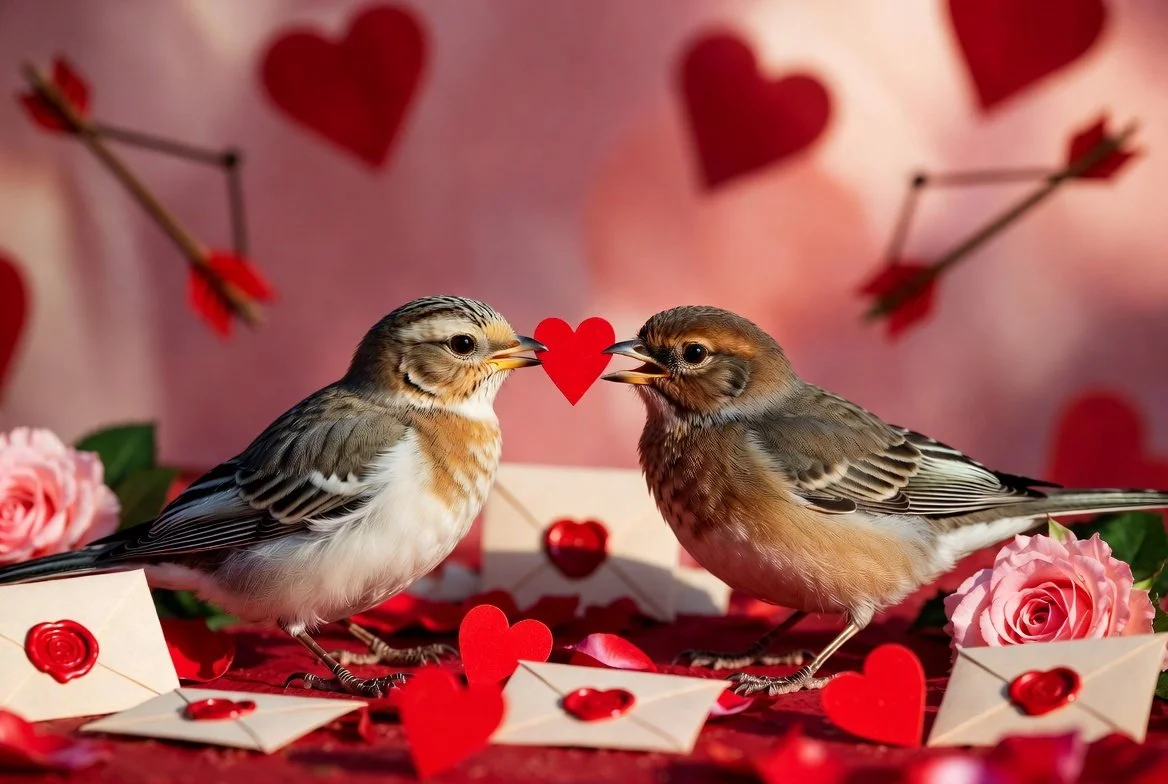
In medieval Europe, the holiday evolved further. Poets like Geoffrey Chaucer linked February 14th to birds marrying as spring approached, cementing its romantic connotations. By the 17th century, exchanging handwritten notes and gifts became common, paving the way for the card-giving customs we know today.
From Ancient Rites to Modern Romance
What began as a bloody pagan festival has blossomed into a global celebration of love, but its springtime roots remain. As the days lengthen and flowers begin to bud, Valentine's Day reminds us of life's cyclical nature—love, like spring, brings hope, growth, and vibrant color after the cold.
So this February 14th, whether you're sharing a card or a quiet moment, remember the ancient echoes of Lupercalia whispering through the petals. Happy Valentine's Day—may your spring be filled with love!