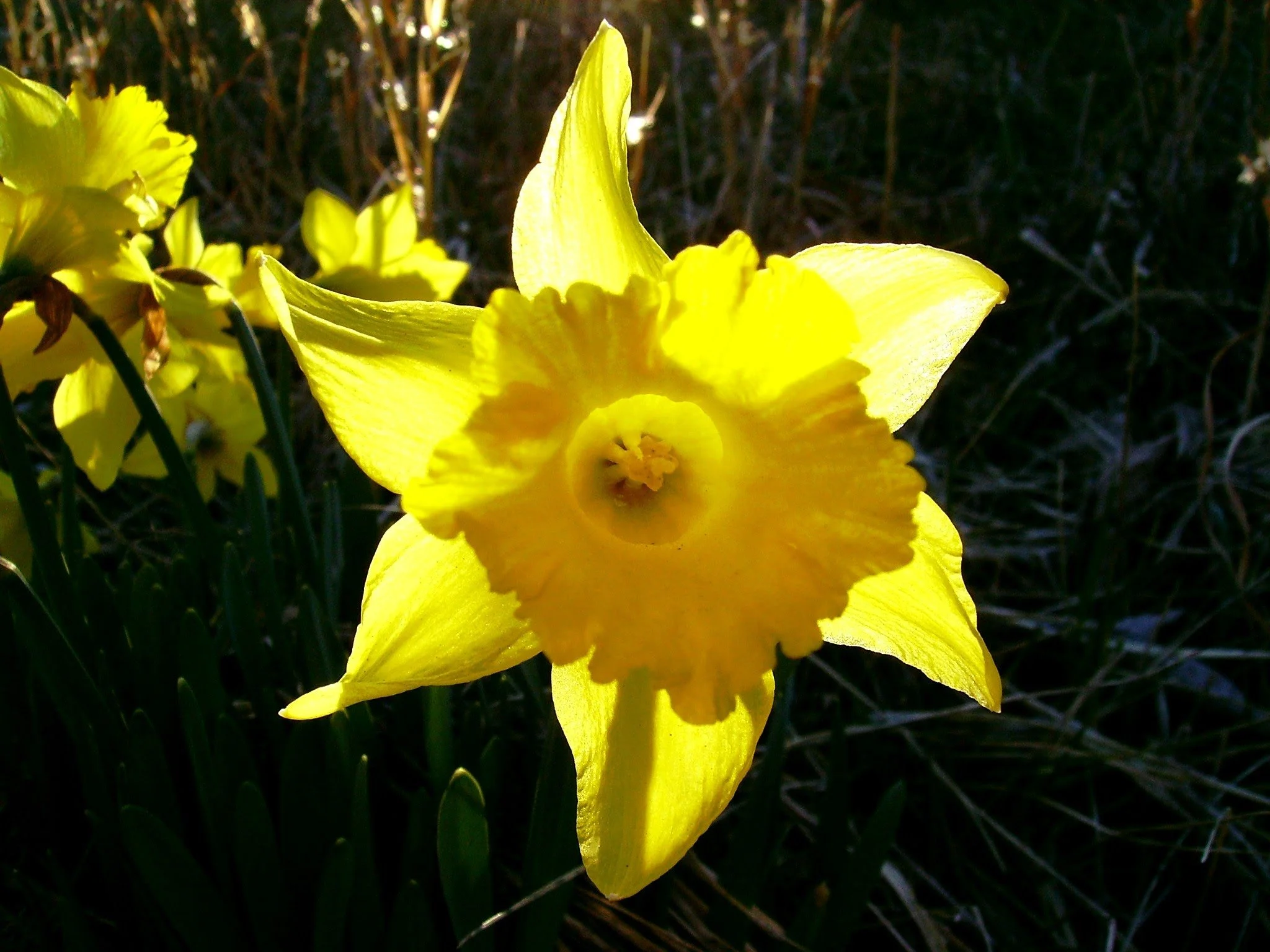
Daffodil Drama
Spring arrives, and suddenly your garden explodes in sunshine-yellow trumpets. Daffodils push through the soil like eager actors taking the stage, ready for their big show. But behind the beauty lies a bit of drama—heavy rains splatter mud on pristine petals, floppy foliage steals the spotlight too soon, or bulbs sulk next year without proper care. Don't worry; with the right moves in mulching, fertilizing, and general spring pampering, your daffodils will deliver encore after encore.
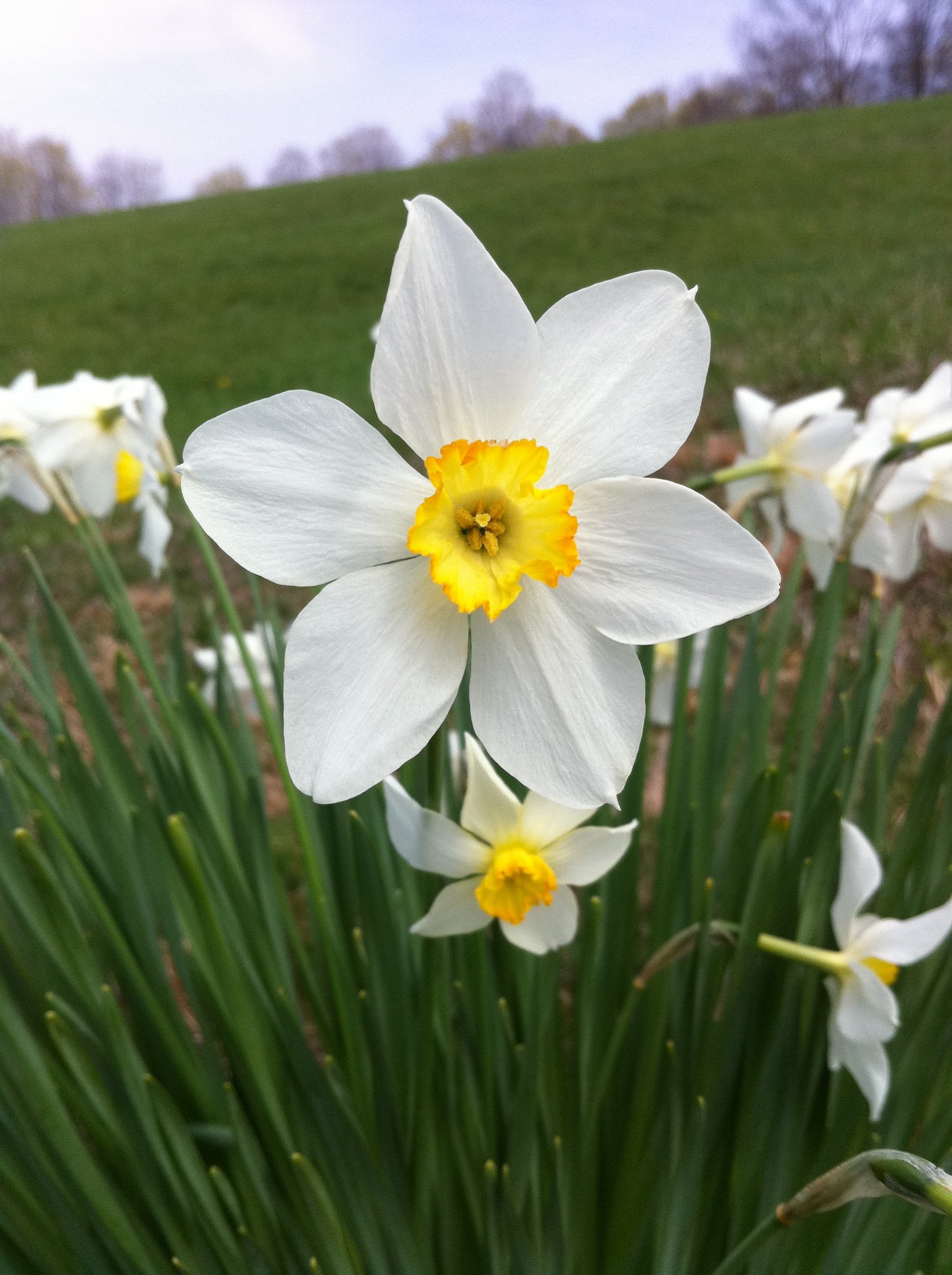
Mulching Magic: Keep the Drama Clean and Cozy
Mulch is your daffodils' best supporting actor. A 2-3 inch layer does wonders: it moderates soil temperature, suppresses weeds, retains moisture during dry spells, and prevents mud from splashing onto flowers during those classic spring downpours.
Apply or refresh mulch in early spring as shoots emerge, but avoid piling it directly against stems to prevent rot. Good options include:
Pine needles (excellent drainage and slight acidity daffodils love)
Shredded bark or wood chips
Aged sawdust
Straw or shredded leaves
Steer clear of peat moss—it sheds water and can worsen mud splatter. In warmer zones, mulch also helps keep bulbs cooler in summer dormancy, but for spring, it's all about protection and tidiness.
Fertilizer Finesse: Feed Lightly for Bigger Shows
Daffodils aren't heavy feeders—over-fertilizing (especially high-nitrogen types) leads to lots of leaves but fewer flowers. The goal is balanced nutrition to recharge bulbs for next spring.
Timing matters most:
Early spring: As leaf tips emerge (or when foliage is 1-2 inches tall), apply a light top-dressing. Use a low-nitrogen, high-potassium/phosphorus formula like 5-10-10, 3-6-6, or a bulb-specific fertilizer. About 1/4 cup per square foot or follow package rates—scratch it lightly into the soil or mulch.
Post-bloom option: Some experts suggest a second light feed as flowers fade (but while leaves stay green) with something like 0-10-10 to boost bulb energy storage.
Avoid high-nitrogen fertilizers—they encourage foliage over flowers. Bone meal works well for organic gardeners, especially at planting, but in spring, granular slow-release options are convenient.
Other Spring Essentials to Avoid Real Drama
Watering: Provide consistent moisture during growth and bloom, especially in dry spells. About once a week if no rain, but ensure excellent drainage—daffodils hate soggy feet.
Deadheading: Snip spent flowers (but leave stems intact) to prevent energy going to seed production.
Foliage patience: Let leaves yellow naturally (at least 6 weeks post-bloom) for photosynthesis. Tie or braid if they flop, but never cut early.
Pest check: Watch for deer (they sometimes nibble) or bulb flies, though daffodils are fairly resilient.
With these tips, your daffodils will transition from dramatic emergence to glorious bloom without missing a beat. Next year, they'll reward you with even more flowers.