Thriving in The Heat: Late Summer Gardening Tips
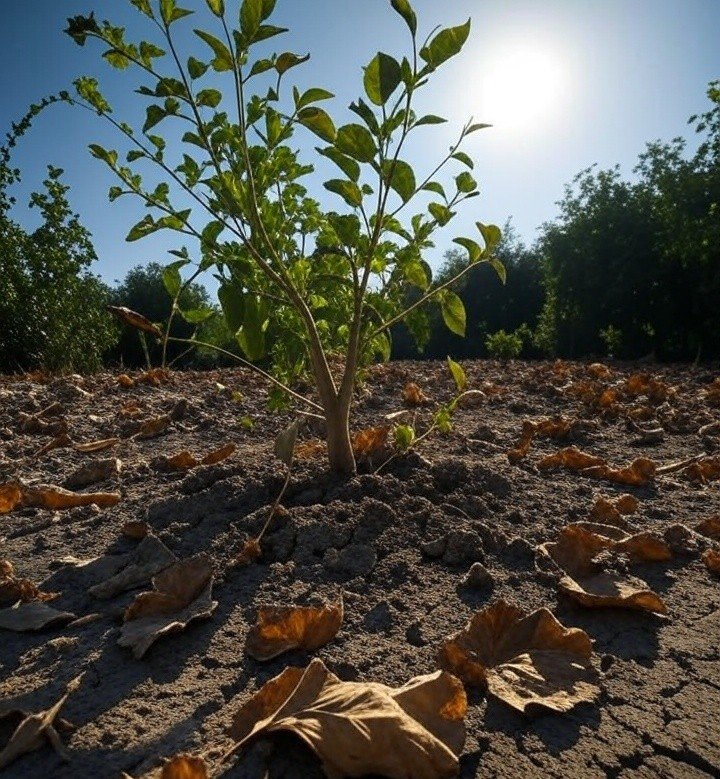
As we hit the peak of late summer—think today, with its relentless sun and parched soil—many gardeners feel the strain. The days are long, the heat is intense, and water seems to evaporate before it even hits the ground. But don't despair! Late summer dry spells present a unique opportunity to nurture resilient plants, harvest bountiful yields, and prepare your garden for the cooler months ahead. Whether you're dealing with vegetable beds, flower borders, or container gardens, these practical tips will help you keep your green space flourishing. In this post, we'll cover watering strategies, soil care, plant choices, and more to beat the dry times.
Smart Watering Strategies to Conserve Every Drop
Water is the lifeblood of any garden, but in dry late summer conditions, it's all about efficiency. Avoid watering during the hottest part of the day, as much of it will simply evaporate before reaching the roots. Instead, opt for early morning sessions before sunrise, allowing the water to soak deeply into the soil while giving leaves time to dry out and reduce fungal risks. If mornings aren't feasible, evening watering works as a backup, but steer clear of wetting foliage to prevent disease. For those with no choice but daytime irrigation, invest in drip systems or soaker hoses—these deliver water slowly and directly to the roots, promoting deeper growth and minimizing waste.
Tailor your watering to plant needs: deep-rooted veggies like tomatoes and squash can handle infrequent but thorough soaks, while shallow-rooted ones require more regular attention. Prioritize flowering and fruiting stages, but ease off on root crops like onions a couple of weeks before harvest to prep them for storage. In extreme droughts, focus on essentials—reuse gray water safely if possible, and consider shade cloths to reduce evaporation. Remember, overwatering can be as harmful as underwatering, so check soil moisture a few inches down before turning on the hose.
The Power of Mulch: Your Garden's Best Friend in Dry Times
Mulching isn't just a chore; it's a game-changer for retaining moisture in late summer heat. Apply a generous layer—at least 2 inches thick, or up to 4 inches for lighter materials like straw—to suppress weeds, shade roots, and lock in soil humidity. Organic options like wood chips or hay work wonders, but keep them a few inches away from plant stems to avoid rot or fungal issues.
This simple step can cut your watering needs significantly, especially in raised beds where soil dries out faster. In very hot, sunny climates, combine mulch with deep morning watering (almost flooding the beds) for maximum effect. Mulch year-round for ongoing benefits, and you'll notice healthier plants that bounce back from dry spells.
Choosing and Caring for Drought-Resistant Plants
Late summer is prime time to replant or sow seeds for fall harvests—check packet days-to-maturity to ensure success before frost hits. Focus on drought-tolerant varieties: think okra, certain tomatoes, or perennials that thrive with less water. Companion planting helps too—group similar-needs plants together, like shading greens under taller plants, to optimize hydration and create microclimates.
For established gardens, prioritize perennials over annuals during water shortages; they'll return next year and provide lasting color. Deadhead spent blooms selectively to encourage new growth without stressing plants, and spruce up containers with heat-loving additions for quick wins. If you're in a particularly arid area, consider letting some summer annuals fade to conserve resources for fall prep.
Boosting Soil Health for Resilience
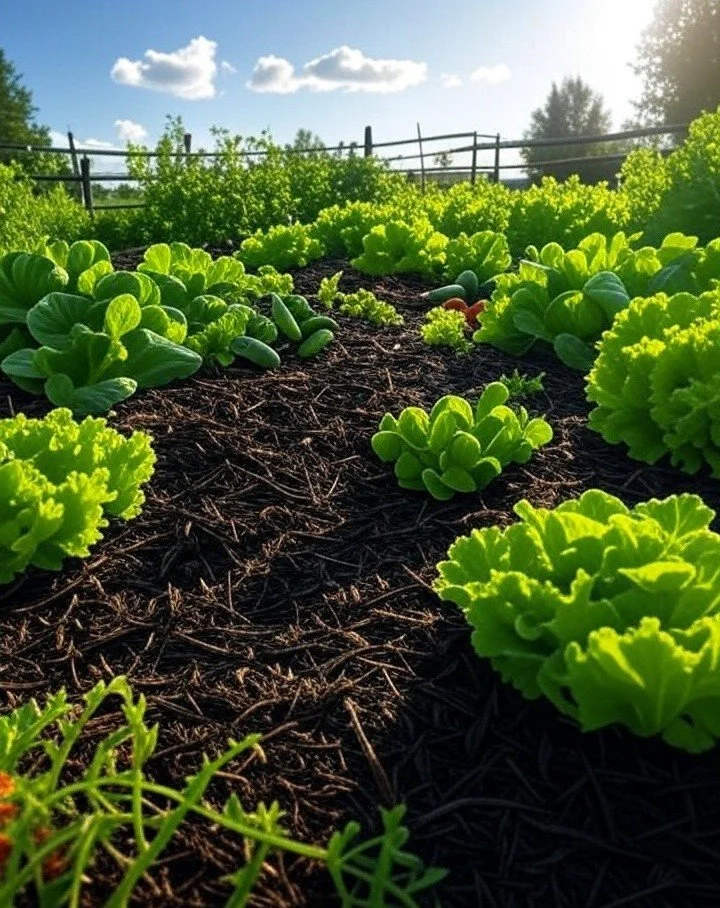
Healthy soil is your secret weapon against dry conditions. Incorporate compost to enhance water retention, especially in tired, compacted earth—this allows you to water less often while avoiding issues like puddling or root rot. Organic fertilizers feed the soil microbes, improving structure and nutrient availability without promoting thirsty new growth.
Cut back on fertilizers in late summer to prevent lush foliage that demands extra water; save them for fall when cooler temps arrive. For lawns, let grass grow longer to shade the soil and survive droughts better, and embrace bee-friendly options like clover for added resilience.
Managing Pests and Weeds Without Extra Stress
Dry heat can amplify pest problems, so stay vigilant. Scout regularly and use manual removal or trap crops instead of sprays, which can cause sunscald in hot weather. Weeds compete for precious water, so pull them promptly, but mulch helps keep them at bay.
In late summer, focus on harvesting veggies and cutting flowers to enjoy the bounty while reducing plant stress. This is also a great window for maintenance tasks like dividing perennials or planning fall plantings.
Wrapping Up: From Survival to Success
Gardening in late summer dry conditions doesn't have to be a battle—it's about working smarter with nature. By implementing these tips, you'll not only sustain your garden through the heat but set it up for a vibrant fall transition. Experiment, observe what works in your microclimate, and remember: a little preparation now yields big rewards later. Happy gardening—may your soil stay moist and your harvests plentiful!