Propagating Herb Cuttings for Winter
Winter can feel like a barren season for gardeners, with frost nipping at outdoor plants and shorter days limiting sunlight. But here's a secret: you don't have to say goodbye to fresh herbs just because it's cold outside. Propagating herbs from cuttings is an easy, cost-effective way to keep your kitchen stocked with aromatic basil, mint, rosemary, and more—all from the comfort of your indoor space. Whether you're a seasoned green thumb or a beginner, this method lets you clone your favorite herbs without seeds, ensuring a continuous supply through the chilly months. In this post, I'll walk you through the step-by-step process, share tips for success in winter conditions, and help you troubleshoot common issues. Let's turn your windowsill into a thriving herb haven!
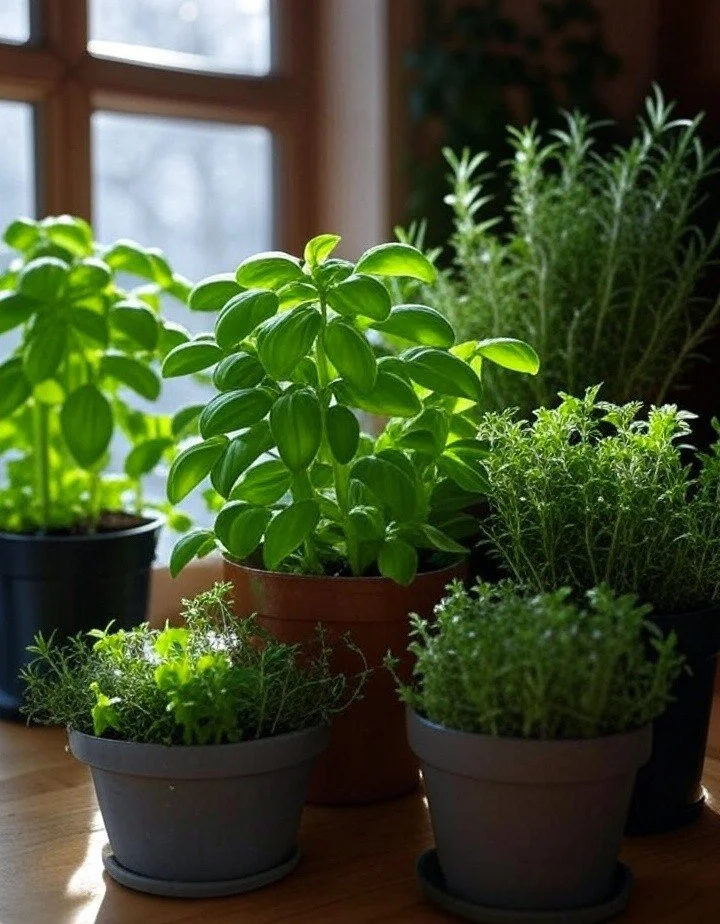
Why Propagate Herbs Indoors in Winter?
Starting an indoor herb garden via cuttings isn't just practical—it's therapeutic. Fresh herbs elevate your cooking, provide natural air purification, and add a touch of greenery to combat those winter blues. Propagation by cuttings is ideal because it's faster than growing from seeds, which can take weeks to germinate in low-light conditions. Plus, many herbs root readily in water or soil, making it beginner-friendly. According to gardening experts, herbs like basil and mint can root in as little as 1-2 weeks under optimal indoor setups. This approach also saves money; instead of buying new plants each spring, you can expand your collection from existing ones or even snag cuttings from friends.
During winter, indoor propagation shines because you control the environment—no worries about freezing soil or pests. Just ensure your space mimics the herbs' natural preferences: warmth, humidity, and indirect light. With the right care, you'll have harvest-ready plants by early spring.
Best Herbs for Winter Propagation
Not all herbs propagate equally well from cuttings, but several popular ones thrive indoors. Focus on soft-stemmed or semi-woody varieties that root quickly:
Basil: A superstar for propagation; it roots fast in water and loves warmth.
Mint: Vigorous and forgiving—perfect for beginners, but keep it contained to avoid invasiveness.
Rosemary: Semi-woody; slower to root but worth it for its evergreen flavor.
Oregano and Thyme: Hardy Mediterranean herbs that do well in drier indoor air.
Sage: Roots reliably and adds a savory punch to winter dishes.
Avoid woody herbs like lavender in winter, as they root more slowly and need more light. If you're starting from scratch, source healthy parent plants from a grocery store or nursery—look for vibrant, pest-free stems.
Step-by-Step Guide to Taking and Rooting Cuttings
1. Gather Your Supplies
You'll need:
Sharp, clean scissors or pruners (sterilize with alcohol to prevent disease).
Glass jars or small pots for rooting.
Filtered water (for water method) or well-draining potting mix (for soil method).
Rooting hormone (optional, but boosts success for woody herbs like rosemary).
Clear plastic bags or domes for humidity.
2. Taking the Cuttings
Select healthy stems from your parent plant—aim for 4-6 inches long, with no flowers or buds (these divert energy from rooting). Cut just below a leaf node (where leaves meet the stem) at a 45-degree angle. Remove the lower leaves to expose 2-3 nodes, which is where roots will form. Do this in the morning when plants are hydrated. For winter, take cuttings from indoor plants or bring outdoor ones inside before frost hits.
3. Rooting Methods: Water vs. Soil
You have two main options—both work well indoors, but water is simpler for monitoring progress.
Water Rooting: Place cuttings in a jar of room-temperature water, submerging the nodes but keeping leaves above water. Change water every 2-3 days to prevent bacteria. Roots should appear in 1-2 weeks for basil and mint, up to 4 weeks for rosemary. Keep in a bright, indirect light spot (like a south-facing window). This method is great for winter as it maintains humidity naturally.
Soil Rooting: Dip the cut end in rooting hormone, then plant in moist potting mix. Cover with a plastic bag to create a mini greenhouse, venting daily to avoid mold. Water sparingly to keep soil damp but not soggy. This mimics natural conditions and transitions easily to pots.
Pro Tip: In winter's dry indoor air (thanks to heating), mist cuttings regularly or use a humidifier to hit 50-70% humidity.
4. Transplanting and Ongoing Care
Once roots are 1-2 inches long (or visible in soil after a gentle tug test), transplant into small pots with herb-specific soil—well-draining for Mediterranean herbs, richer for basil. Place in a spot with 6-8 hours of indirect sunlight daily; if natural light is scarce (common in winter), supplement with grow lights (LED full-spectrum bulbs work wonders, positioned 6-12 inches above plants).
Maintain temperatures between 65-75°F (18-24°C)—avoid drafts or radiators. Water when the top inch of soil dries out, and fertilize lightly every 4-6 weeks with a diluted organic fertilizer. Rotate pots weekly for even growth.
Winter-Specific Tips and Troubleshooting
Winter poses unique challenges like low light and dry air, but here's how to overcome them:
Light Issues: Short days? Use timers on grow lights for 12-14 hours of "daylight." Yellowing leaves signal too little light.
Pests and Diseases: Indoor herbs can attract aphids or fungal gnats. Inspect regularly and use neem oil sprays if needed.
Slow Growth: Patience is key—winter propagation can take longer due to cooler temps. If cuttings wilt, they might need more humidity or less direct heat.
Overwatering: The top killer! Soggy soil leads to root rot; always check moisture before watering.
If things go south, don't fret—herbs are resilient. Start with multiple cuttings to increase your odds.
Harvest and Enjoy Your Winter Bounty
In a few weeks, you'll be snipping fresh leaves for teas, soups, and salads. Propagating not only sustains your garden but also lets you experiment—try mixing herbs in one pot for a flavor-packed windowsill display. By spring, your indoor setup can transition outdoors, giving you a head start on the growing season.
So, grab those scissors and get propagating! Share your winter herb successes in the comments below—what's your favorite herb to grow indoors?