Preparing Your Strawberry Patch for Fall and Winter

As the vibrant days of summer give way to the crisp air of autumn, it's time to turn your attention to your strawberry patch. These perennial favorites can provide bountiful harvests year after year, but they need a little TLC to survive the colder months and emerge strong in spring. Proper preparation protects the plants from freezing temperatures, soil heaving, and moisture loss, ensuring bigger, juicier berries come next season. Whether you're growing June-bearing, everbearing, or day-neutral varieties, the process is similar with a few tweaks. In this post, we'll walk through the essential steps to get your patch winter-ready.
Why Bother Preparing Your Strawberries?
Strawberries are hardy perennials, but without protection, they can suffer from crown damage, root exposure due to freeze-thaw cycles, and even total loss in harsh winters. In colder zones (like USDA Zone 3 or below), unprepared plants might not survive at all. Preparation helps insulate the crowns—where next year's buds form—and maintains soil moisture. Plus, it reduces weed pressure and disease risks, setting the stage for a healthy spring revival.
Step 1: Clean Up and Maintain the Patch in Fall
While major renovation happens right after harvest in summer (pruning foliage to 1-2 inches above the crown for June-bearing varieties, or just removing damaged leaves for day-neutrals), fall is about light maintenance to keep things tidy. Remove any lingering weeds, debris, or spent runners that could harbor pests or diseases. Thinning overcrowded plants now prevents weakening and improves airflow—aim for about five plants per square foot.
Avoid heavy pruning or mowing in fall, as this can eliminate next year's fruit buds and leave plants vulnerable to cold. Instead, focus on gentle cleanup to promote dormancy.
Step 2: Fertilize for Future Growth
About a month before your average first frost date, give your strawberries a nutrient boost to support root development over winter. Apply a balanced, slow-release fertilizer like 10-10-10 (NPK) at a rate of about 1 pound per 25 plants or 5 pounds per 100 feet of row. Scatter it between plants, avoiding direct contact with foliage, and water it in well.
This step replenishes soil nutrients depleted during the growing season, helping plants store energy for spring. Skip fertilizing if your soil test shows high levels to avoid excess growth that could be damaged by frost.
Step 3: Water Until Dormancy Sets In
Strawberries need consistent moisture in fall to harden off properly. Provide about 1 inch of water per week if rainfall is scarce, right up until the first hard frost. This keeps roots hydrated without encouraging new growth.
Once plants go dormant (foliage browns and flops over), cut back on watering. For in-ground patches, nature usually takes care of it, but check container plants occasionally to prevent complete soil dry-out—aim for lightly moist, not soggy.
Step 4: Mulch for Insulation and Protection
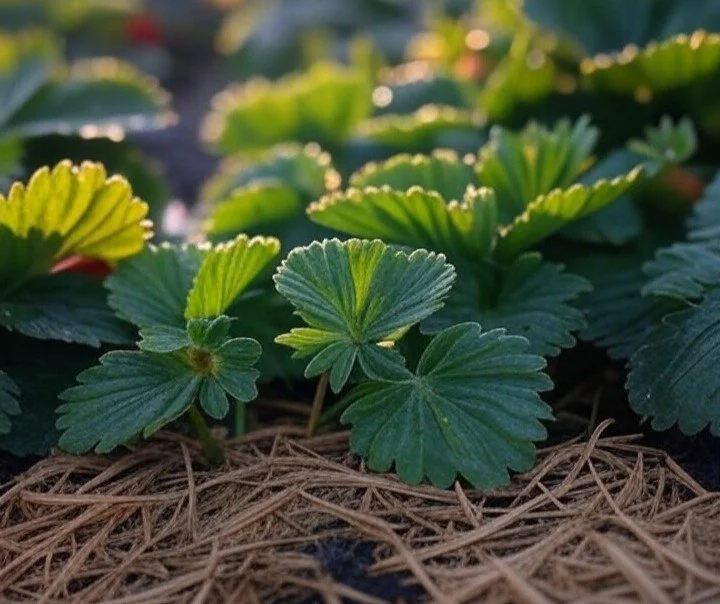
Mulching is the star of winter prep, acting as a blanket against cold and wind. Wait until after the first frost, when daytime temps stay in the 20s°F and the top half-inch of soil is frozen—typically late November to early December in most regions. This timing allows plants to acclimate to cooler weather without trapping excess moisture that could lead to rot.
Choose loose, airy materials that won't compact heavily, such as weed-free straw, pine needles, salt marsh hay, or chopped cornstalks. Avoid leaves, grass clippings, or hay, which can mat down and smother plants. Apply 3-5 inches deep over the entire patch, completely covering the foliage. In windy areas, secure with chicken wire or fencing.
For raised beds or pyramids, go deeper—6-8 inches—for extra insulation, as these are more exposed to cold.
Special Considerations for Containers and Raised Beds
If your strawberries are in pots or raised beds, they need more protection since roots are less insulated from freezing. In cold zones like Zone 3, pots rarely survive outdoors—move them to an unheated garage, shed, or basement. Wrap containers in burlap or blankets, and mound 6-8 inches of straw around and over the plants. Water sparingly once a month to keep soil from drying out completely.
For raised beds in harsh climates, cover with 4-6 inches of straw after three consecutive nights below 20°F. In milder areas, burlap wrapping around the bed sides can suffice. Everbearing and day-neutral varieties often fare better in containers than June-bearers.
Common Mistakes to Avoid
Pruning Too Late: Never cut back foliage in fall; save it for post-harvest in summer.
Mulching Too Early: This can trap heat and moisture, leading to disease or rodent issues.
Using the Wrong Mulch: Matting materials like whole leaves can suffocate plants; opt for breathable options.
Neglecting Water: Dry roots are just as deadly as frozen ones in winter.
Final Thoughts
Preparing your strawberry patch for fall and winter might seem like extra work, but it's an investment in future harvests. By cleaning up, fertilizing, watering wisely, and mulching effectively, you'll help your plants snooze through the cold and wake up ready to thrive. Come spring, gently rake back the mulch when green shoots appear, and reuse it for weed control. Happy gardening—may your patch be ever fruitful! If you're in a unique climate, check with your local extension service for tailored advice.