Preparing for Frost
As the days grow shorter and temperatures begin to drop, gardeners must prepare their vegetable gardens and landscapes for the inevitable arrival of frost. Frost can damage or kill tender plants, but with a few proactive steps, you can protect your garden, extend your growing season, and ensure your landscape remains healthy through the colder months. Here’s a guide to preparing your vegetable garden and landscape for frost.
Understanding Frost and Its Impact
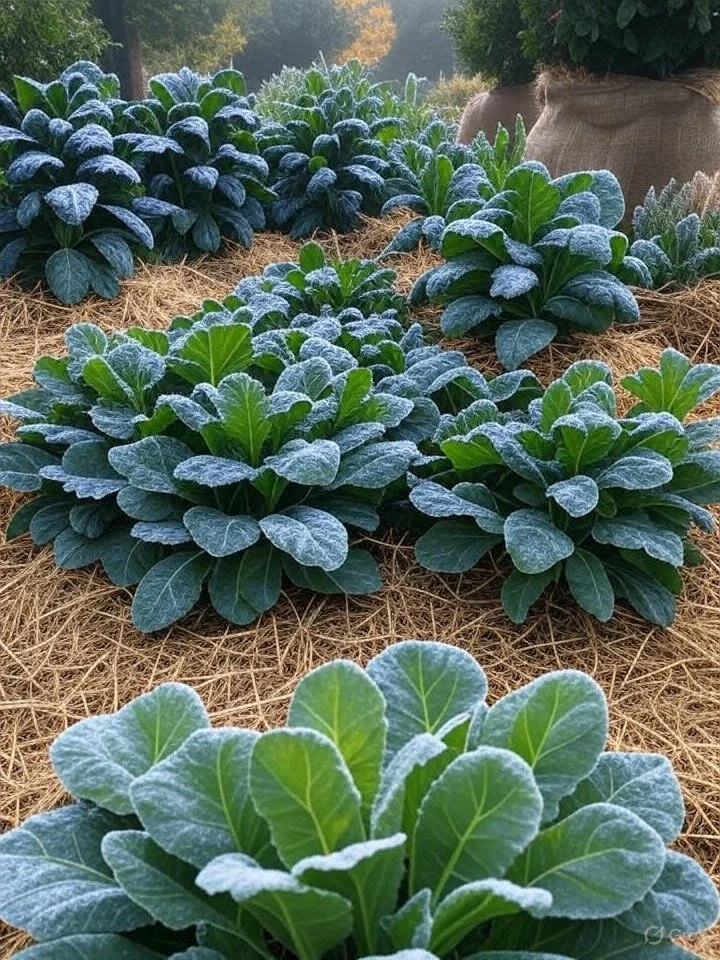
Frost occurs when temperatures drop to or below 32°F (0°C), causing ice crystals to form on plant surfaces. This can damage plant cells, particularly in tender vegetables like tomatoes, peppers, and cucumbers. Hardy crops like kale, carrots, and broccoli can tolerate light frost, but even these may need protection during a hard freeze (below 28°F or -2°C). Knowing your area’s first frost date—check local weather or agricultural extension services—is key to planning.
Steps to Prepare Your Vegetable Garden
1. Harvest Vulnerable Crops
Before the first frost hits, harvest any tender vegetables that won’t survive cold temperatures. These include:
Tomatoes: Pick green tomatoes and ripen them indoors in a paper bag with an apple or banana to speed up the process.
Peppers: Harvest all peppers, as they’re highly frost-sensitive.
Herbs: Snip basil, cilantro, and other tender herbs for drying, freezing, or immediate use.
For crops like root vegetables (carrots, beets) or greens (spinach, kale), you can leave them in the ground a bit longer, as many tolerate light frosts and may even taste sweeter after a chill.
2. Protect Plants You Want to Extend
To keep your garden producing longer, use protective measures for semi-hardy or late-season crops:
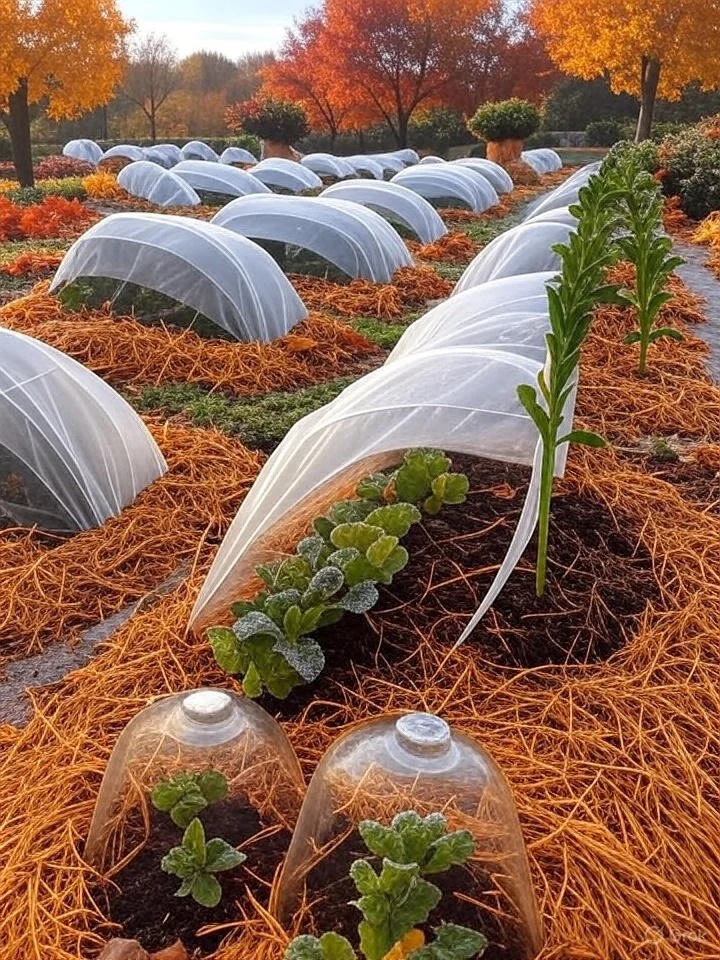
Row Covers: Lightweight fabric row covers or frost blankets can add 2–8°F of protection. Drape them over plants and secure the edges with rocks or stakes.
Cloches: Use plastic jugs, glass domes, or other covers to shield individual plants.
Cold Frames: Build or buy a cold frame to create a mini-greenhouse effect for small garden beds.
Mulch: Apply a thick layer of straw, leaves, or compost around root crops to insulate the soil and keep it workable longer.
Always ensure covers allow some air circulation to prevent mold, and remove them during sunny days to avoid overheating.
3. Clean Up the Garden
Frost preparation is a great time to tidy up:
Remove dead or dying plants to reduce pest and disease carryover.
Compost healthy plant debris, but discard any diseased material.
Rake up fallen leaves to prevent fungal issues and improve air circulation.
4. Prepare the Soil for Next Season
After harvesting and clearing, enrich your garden soil:
Add compost or well-rotted manure to replenish nutrients.
Plant cover crops like clover or rye to prevent erosion and improve soil health over winter.
Mulch bare soil with straw or shredded bark to protect against freeze-thaw cycles that can damage soil structure.
Preparing Your Landscape for Frost
1. Protect Trees and Shrubs
Young trees and shrubs, especially those planted in the last year, are vulnerable to frost damage:
Wrap Trunks: Use burlap or tree wraps to protect young tree trunks from frost cracks caused by rapid temperature changes.
Mulch Around Bases: Apply 2–4 inches of mulch around the base of trees and shrubs (keeping it away from the trunk) to insulate roots.
Water Deeply: Before the ground freezes, give trees and shrubs a thorough watering to help them withstand winter stress.
2. Care for Perennials
Perennials need attention to survive frost and thrive next spring:
Cut Back: Trim dead foliage on perennials like hostas or peonies, but leave plants like ornamental grasses or coneflowers for winter interest and wildlife habitat.
Mulch: Apply a layer of mulch over the root zones of tender perennials to insulate them.
Divide and Transplant: Early fall, before frost, is a good time to divide overcrowded perennials and replant them for better growth next year.
3. Protect Outdoor Containers
Container plants are more exposed to cold than in-ground plants:
Move potted plants to a sheltered area, like a garage or against a south-facing wall.
Wrap pots in bubble wrap or burlap to insulate roots.
Group pots together to reduce exposure to wind and cold.
4. Lawn and Turf Care
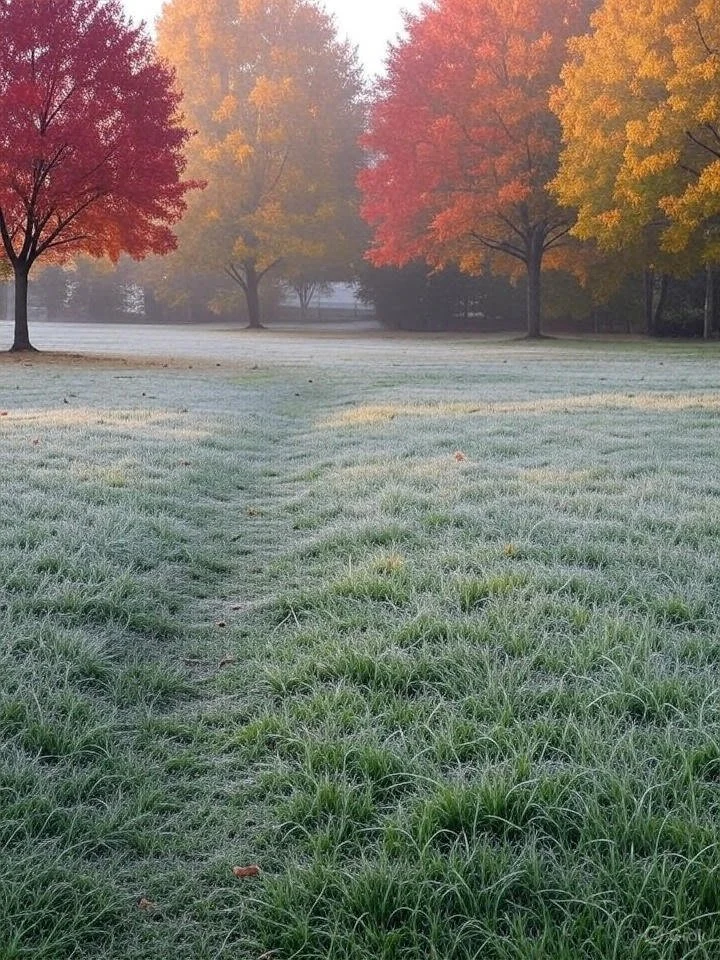
Your lawn also needs frost prep:
Rake leaves to prevent matting, which can smother grass and encourage disease.
Mow one last time at a slightly lower height to reduce snow mold risk.
Aerate and fertilize cool-season grasses to promote strong roots for spring.
Timing and Weather Awareness
Keep an eye on weather forecasts, as frost can arrive earlier or later than average. A light frost may only require covering plants overnight, while a hard freeze might signal the end of the growing season for tender crops. If you’re unsure about your local frost dates, check with your regional agricultural extension or gardening community for precise information.
Final Thoughts
Preparing your vegetable garden and landscape for frost is all about timing, protection, and planning for the next season. By harvesting tender crops, covering hardy plants, cleaning up debris, and protecting trees, shrubs, and soil, you can minimize frost damage and set your garden up for success come spring. A little effort now will keep your garden and landscape thriving through the cold months and beyond.