The Best Bulbs to Plant in Autumn
Fall is the perfect time to plant spring-blooming bulbs in USDA Hardiness Zones 6-7, where winters are cold enough to provide the necessary chilling period for bulbs to thrive. These zones, which include areas with average minimum winter temperatures of -10°F to 10°F, offer ideal conditions for a vibrant spring garden. Here’s a guide to the most popular bulbs to plant in the fall for a stunning display come spring.
Why Plant Bulbs in Fall?
Planting bulbs in fall (typically September to November) allows them to establish roots before winter dormancy. The cold temperatures in Zones 6-7 trigger the biochemical processes needed for bulbs to bloom in spring. Aim to plant bulbs 6-8 weeks before the first expected frost, which is usually mid- to late fall in these zones.
Top Bulbs to Plant
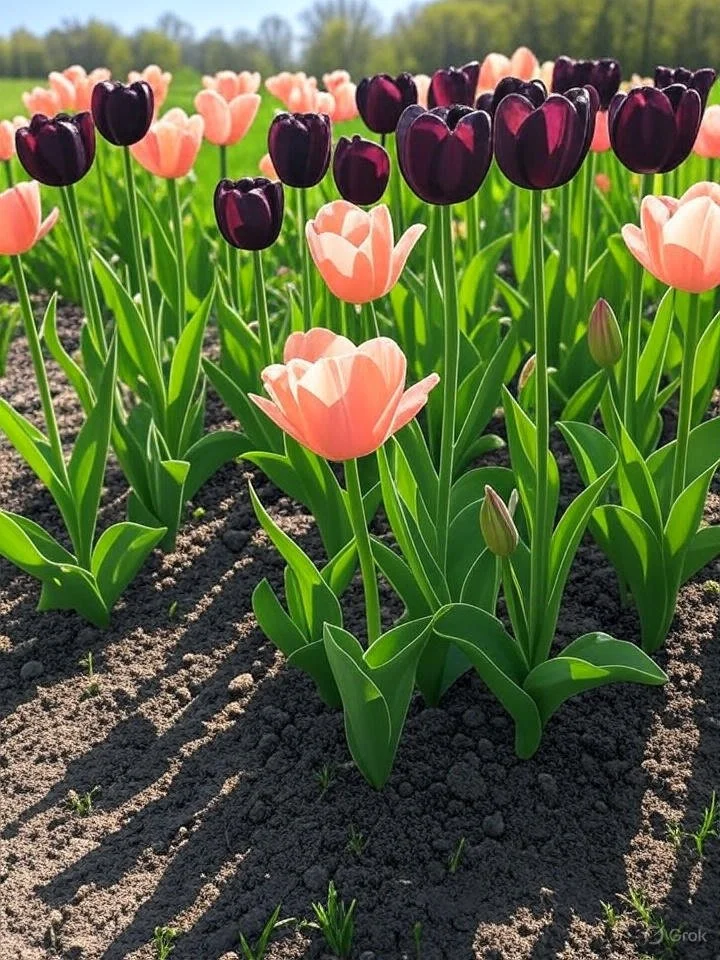
Tulips
1. Tulips (Tulipa spp.)
Tulips are a spring classic, loved for their vibrant colors and elegant shapes. In Zones 6-7, they perform well when planted in well-drained soil and full sun.
Popular Varieties:
'Queen of Night' (deep purple-black)
'Apricot Beauty' (soft peach)
'Triumph' series (mid-season bloomers in various colors)
Planting Tips: Plant 6-8 inches deep, pointy end up, in groups of 10-15 for impact. Tulips may need replacing every few years as they can weaken over time in warmer climates.
Bloom Time: Early to late spring, depending on the variety.
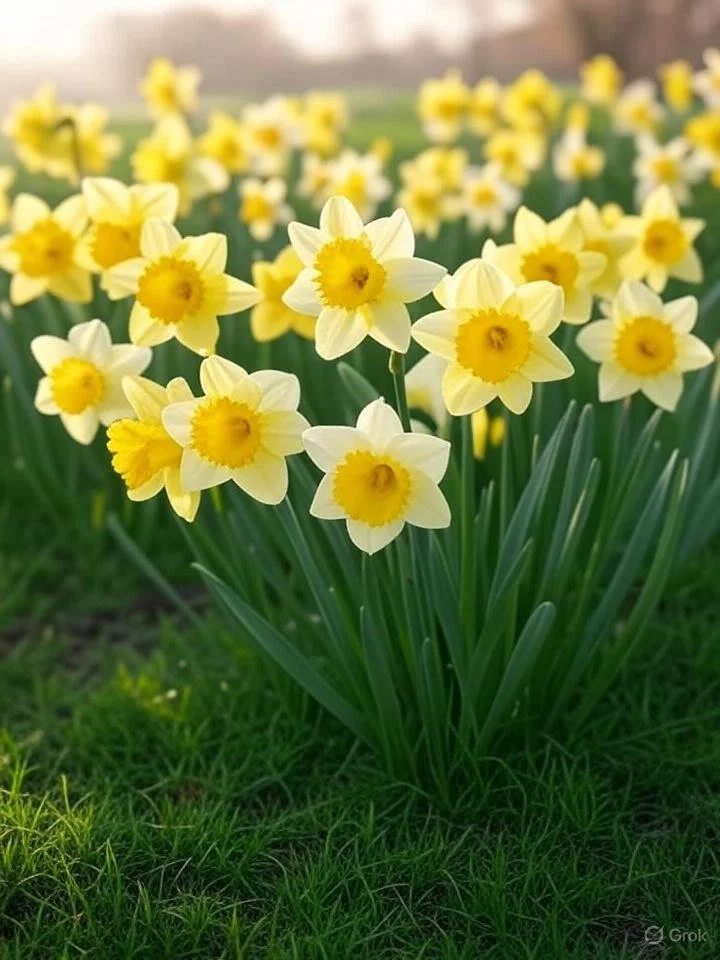
Daffodils
2. Daffodils (Narcissus spp.)
Daffodils are low-maintenance, deer-resistant, and reliable perennials that return year after year. Their cheerful yellow and white blooms are a staple in spring gardens.
Popular Varieties:
'King Alfred' (classic yellow)
'Ice Follies' (white with creamy yellow centers)
'Tête-à-Tête' (miniature, perfect for small spaces)
Planting Tips: Plant 6 inches deep in full sun to partial shade. Daffodils are forgiving and can thrive in various soil types.
Bloom Time: Early to mid-spring.
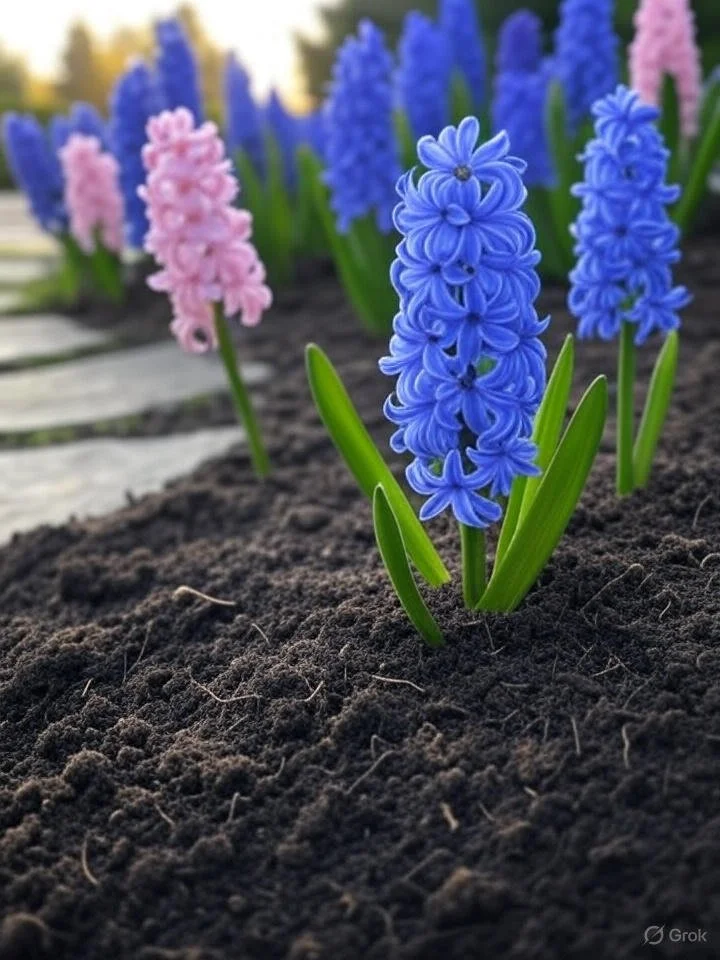
Hyacinths
3. Hyacinths (Hyacinthus orientalis)
Hyacinths are prized for their fragrant, densely packed flower spikes in shades of blue, pink, white, and purple.
Popular Varieties:
'Blue Jacket' (rich blue)
'Pink Pearl' (vibrant pink)
'White Festival' (pure white)
Planting Tips: Plant 4-6 inches deep in well-drained soil. Their strong fragrance makes them ideal near walkways or patios.
Bloom Time: Mid spring.
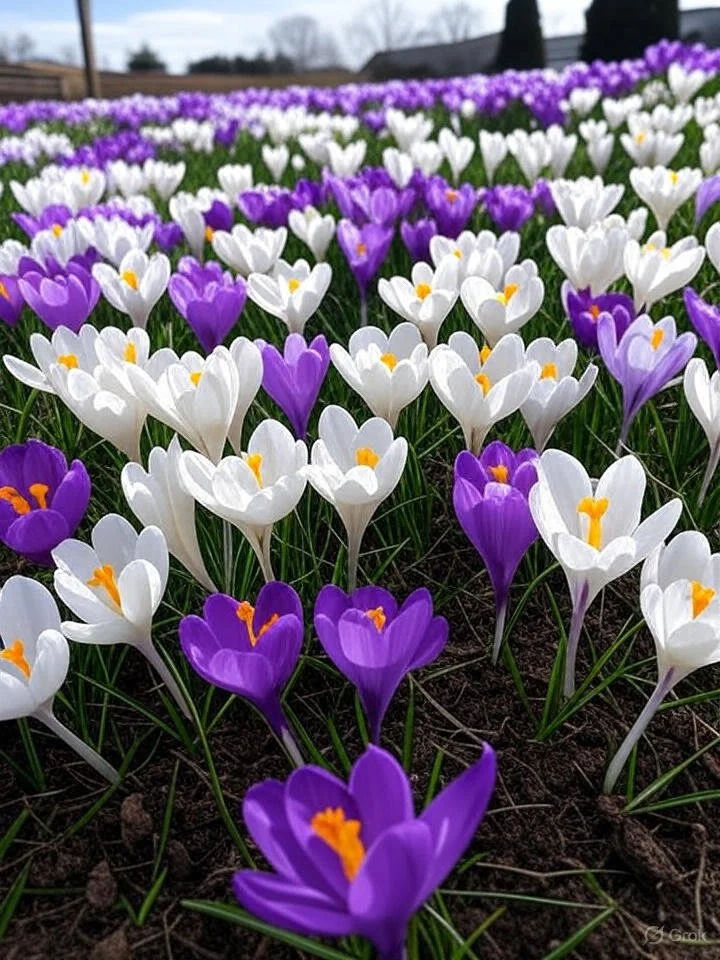
Crocuses
4. Crocuses (Crocus spp.)
Crocuses are among the earliest bloomers, often popping up through late snow. They’re perfect for naturalizing in lawns or borders.
Popular Varieties:
'Snow Crocus' (white and soft purple)
'Ruby Giant' (deep purple)
'Jeanne d’Arc' (white)
Planting Tips: Plant 3-4 inches deep in large groups for a carpet-like effect. They prefer full sun to light shade.
Bloom Time: Late winter to early spring.
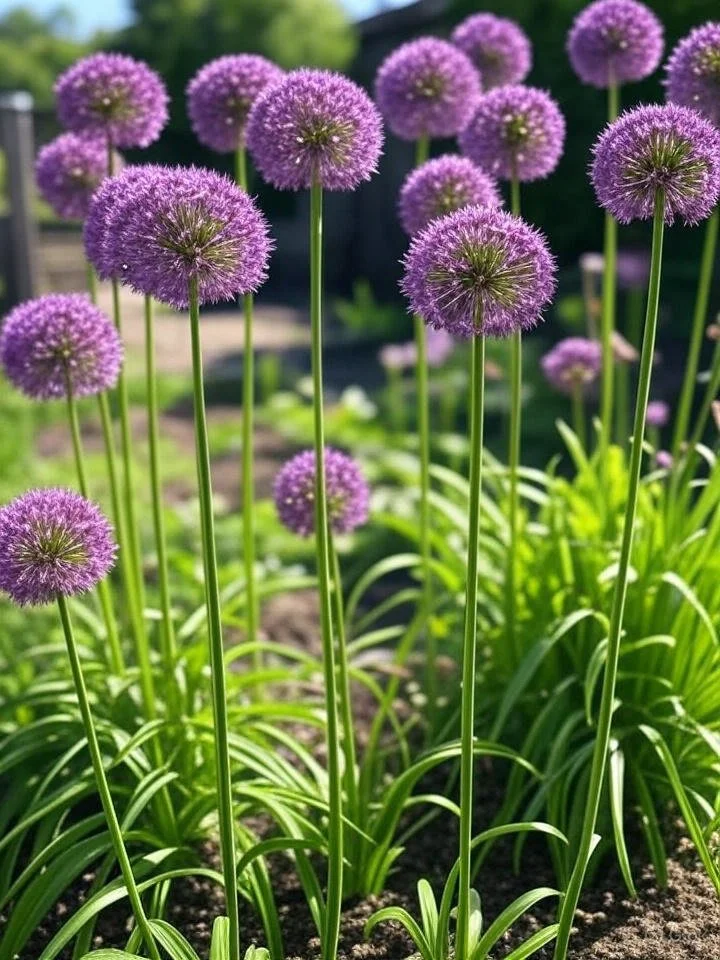
Alliums
5. Alliums (Allium spp.)
Alliums, or ornamental onions, add architectural flair with their globe-shaped flower heads. They’re deer- and rodent-resistant.
Popular Varieties:
'Purple Sensation' (vibrant purple globes)
'Gladiator' (large, showy purple spheres)
'Schubertii' (firework-like blooms)
Planting Tips: Plant 4-8 inches deep, depending on bulb size, in full sun. Space larger bulbs farther apart for dramatic effect.
Bloom Time: Late spring to early summer.
Planting and Care Tips
Soil and Site: Choose well-drained soil to prevent bulb rot. Most bulbs prefer full sun (6+ hours daily) but tolerate partial shade.
Depth and Spacing: As a rule, plant bulbs at a depth of 2-3 times their height. Space smaller bulbs 3-4 inches apart and larger ones 6-8 inches apart.
Watering: Water thoroughly after planting to encourage root growth. Avoid overwatering, as bulbs dislike soggy soil.
Mulching: Apply a 2-3 inch layer of mulch after planting to insulate bulbs during winter.
Post-Bloom Care: After flowering, let foliage die back naturally to nourish the bulb for next year. Avoid cutting or braiding leaves.
Design Ideas
Mixed Borders: Combine early bloomers (crocuses, daffodils) with mid- and late-season bulbs (tulips, alliums) for continuous color.
Naturalizing: Plant crocuses or daffodils in drifts under trees or in lawns for a wildflower look.
Containers: Hyacinths and miniature daffodils work well in pots for patios or balconies. Ensure pots have drainage holes.
Final Thoughts
Planting bulbs in fall is an investment in a spectacular spring display. In USDA Zones 6-7, tulips, daffodils, hyacinths, crocuses, and alliums are top choices for their beauty, reliability, and adaptability. With a little planning and care, your garden will burst with color when spring arrives. Happy planting!