The Importance of Autumn Wildflowers
As the days grow shorter and the air turns crisp, autumn brings a stunning transformation to the natural world. While many associate this season with falling leaves and vibrant foliage, autumn wildflowers play an equally vital role in ecosystems and human appreciation of nature. These resilient blooms, often overlooked, offer ecological, aesthetic, and cultural benefits that make them a cornerstone of the fall landscape.
Ecological Contributions
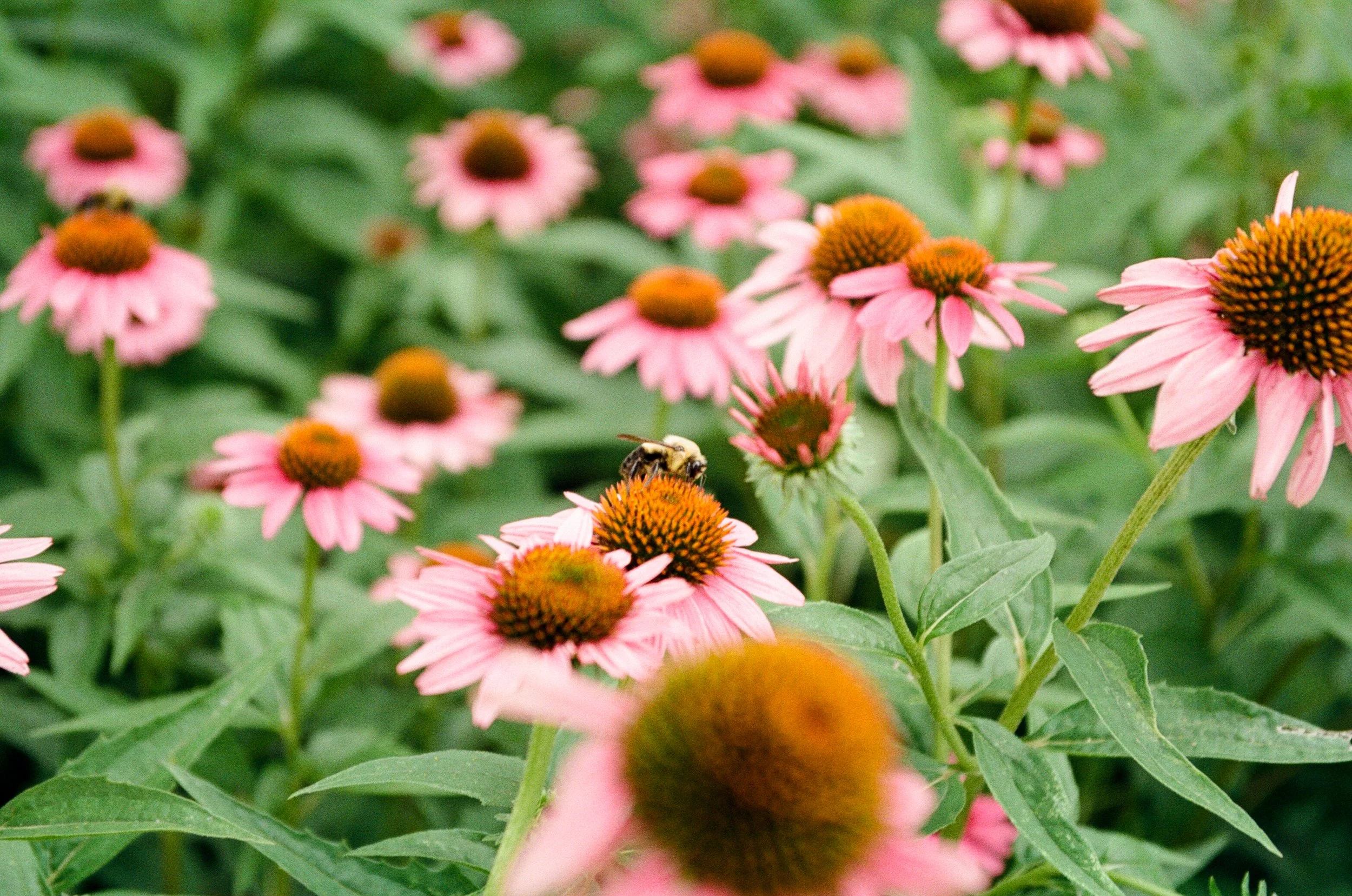
Autumn wildflowers, such as goldenrods, asters, and joe-pye weeds, are essential for supporting biodiversity during a critical time of year. As summer flowers fade, these late-blooming plants provide a vital source of nectar and pollen for pollinators like bees, butterflies, and moths. Many pollinators, including monarch butterflies preparing for migration, rely on these flowers to fuel their journeys or build energy reserves for hibernation. According to the U.S. Forest Service, autumn wildflowers help sustain pollinator populations, which are crucial for global food production, as they pollinate approximately 75% of global crops.
These wildflowers also support soil health. Their deep root systems, particularly in native species like coneflowers, stabilize soil, prevent erosion, and improve water retention. Additionally, as these plants die back, they contribute organic matter to the soil, fostering nutrient cycling that benefits other plants and microorganisms.
Aesthetic and Emotional Impact
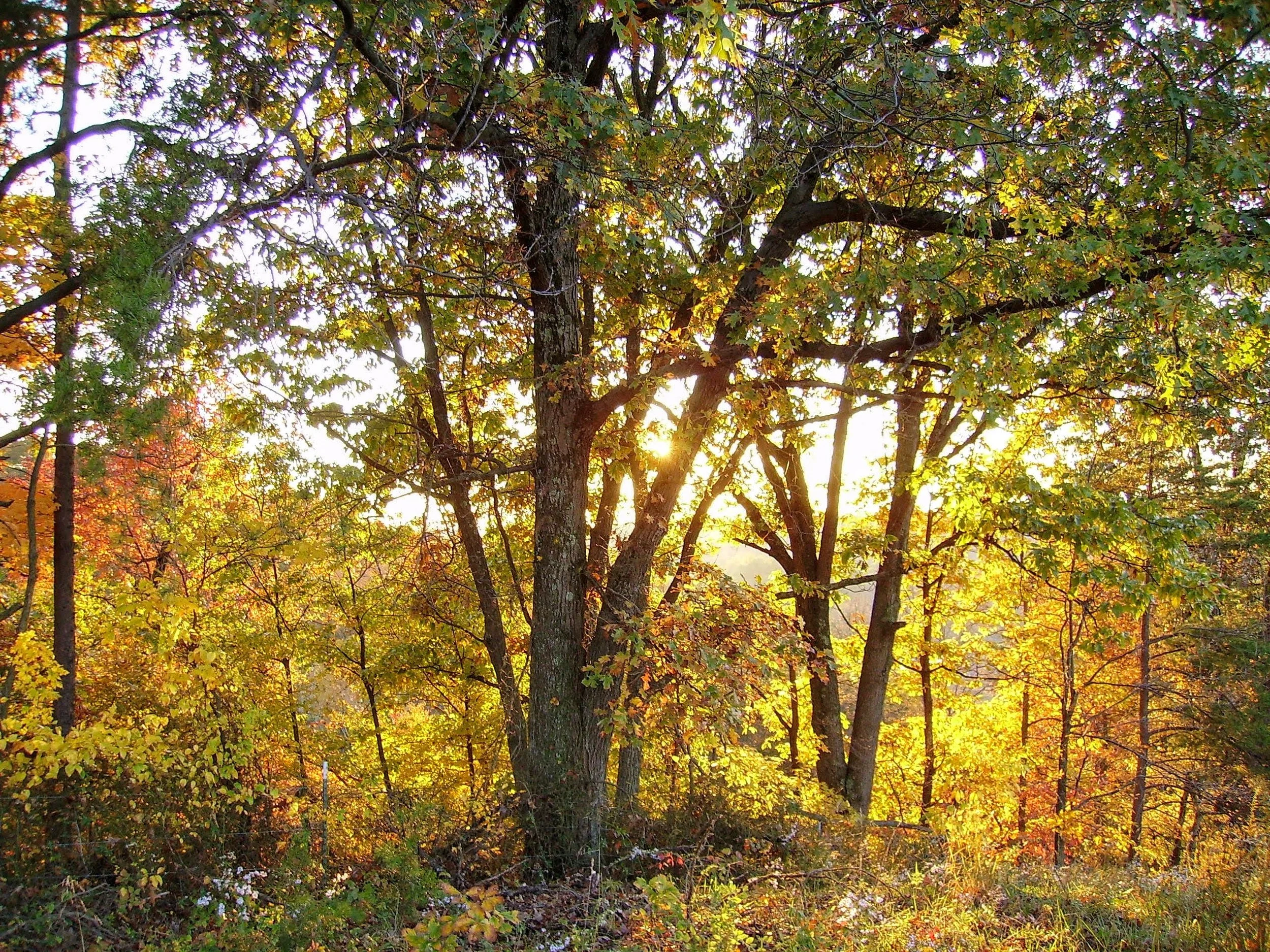
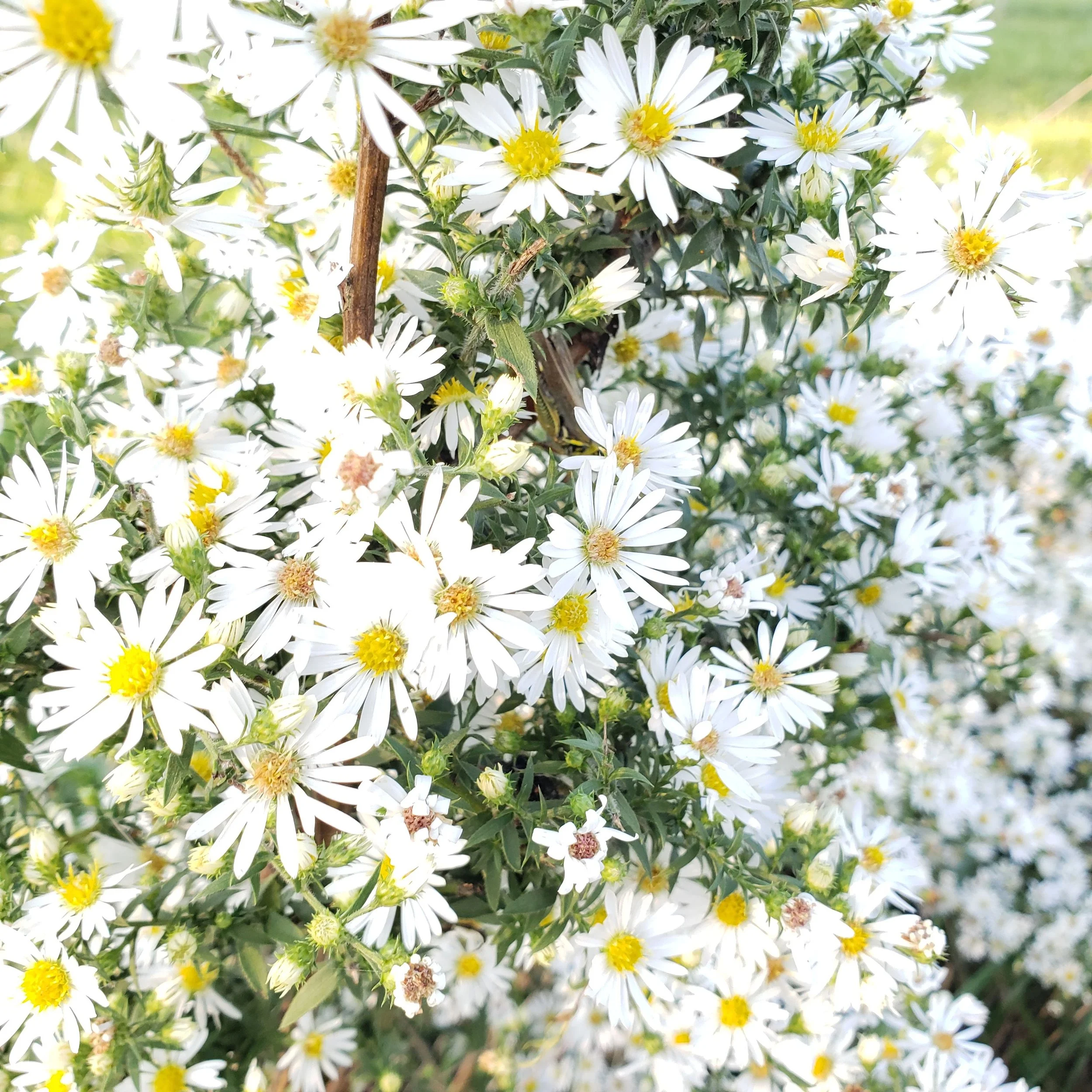
Autumn wildflowers paint the landscape with bursts of color—purples, yellows, and whites—that contrast beautifully with the reds and oranges of changing leaves. Fields of goldenrod or patches of New England asters create breathtaking vistas that inspire photographers, artists, and nature enthusiasts. This visual splendor can have a profound emotional impact, offering moments of peace and connection to nature during a season often associated with transition and reflection.
Studies, such as those published in the Journal of Environmental Psychology, suggest that exposure to natural beauty, like wildflower displays, can reduce stress and improve mental well-being. A simple walk through a meadow dotted with autumn blooms can uplift spirits and foster a deeper appreciation for the environment.
Cultural and Historical Significance
Wildflowers have long held cultural importance. Native American communities, for example, used plants like goldenrod for medicinal purposes, treating ailments from sore throats to wounds. In modern times, autumn wildflowers are celebrated in festivals, such as wildflower walks or native plant sales, which promote conservation and educate communities about local ecosystems. These events highlight the role of wildflowers in connecting people to their natural heritage.
Supporting Conservation
Despite their importance, autumn wildflowers face threats from habitat loss, invasive species, and climate change. Supporting their preservation is critical. Planting native wildflowers in gardens, supporting local conservation efforts, or participating in citizen science projects like tracking pollinator populations can make a difference. Organizations like the Xerces Society emphasize the importance of protecting native plants to maintain healthy ecosystems.
Conclusion
Autumn wildflowers are more than just a seasonal spectacle—they are ecological powerhouses, emotional touchstones, and cultural treasures. By sustaining pollinators, enhancing landscapes, and connecting us to nature, these blooms remind us of the delicate balance of ecosystems and the importance of protecting them. Next time you’re out in the fall, take a moment to admire the wildflowers—they’re doing more for the world than meets the eye.