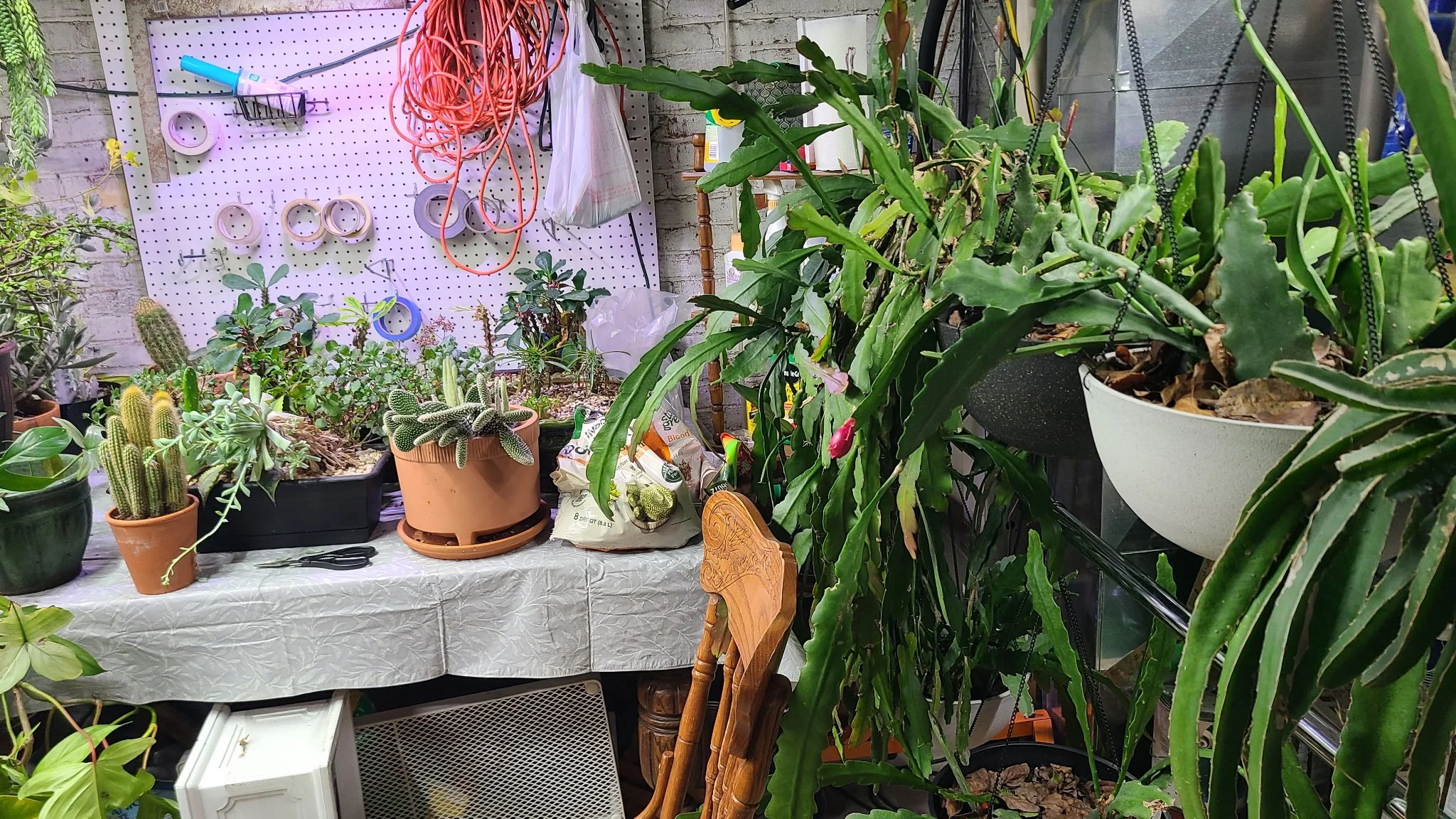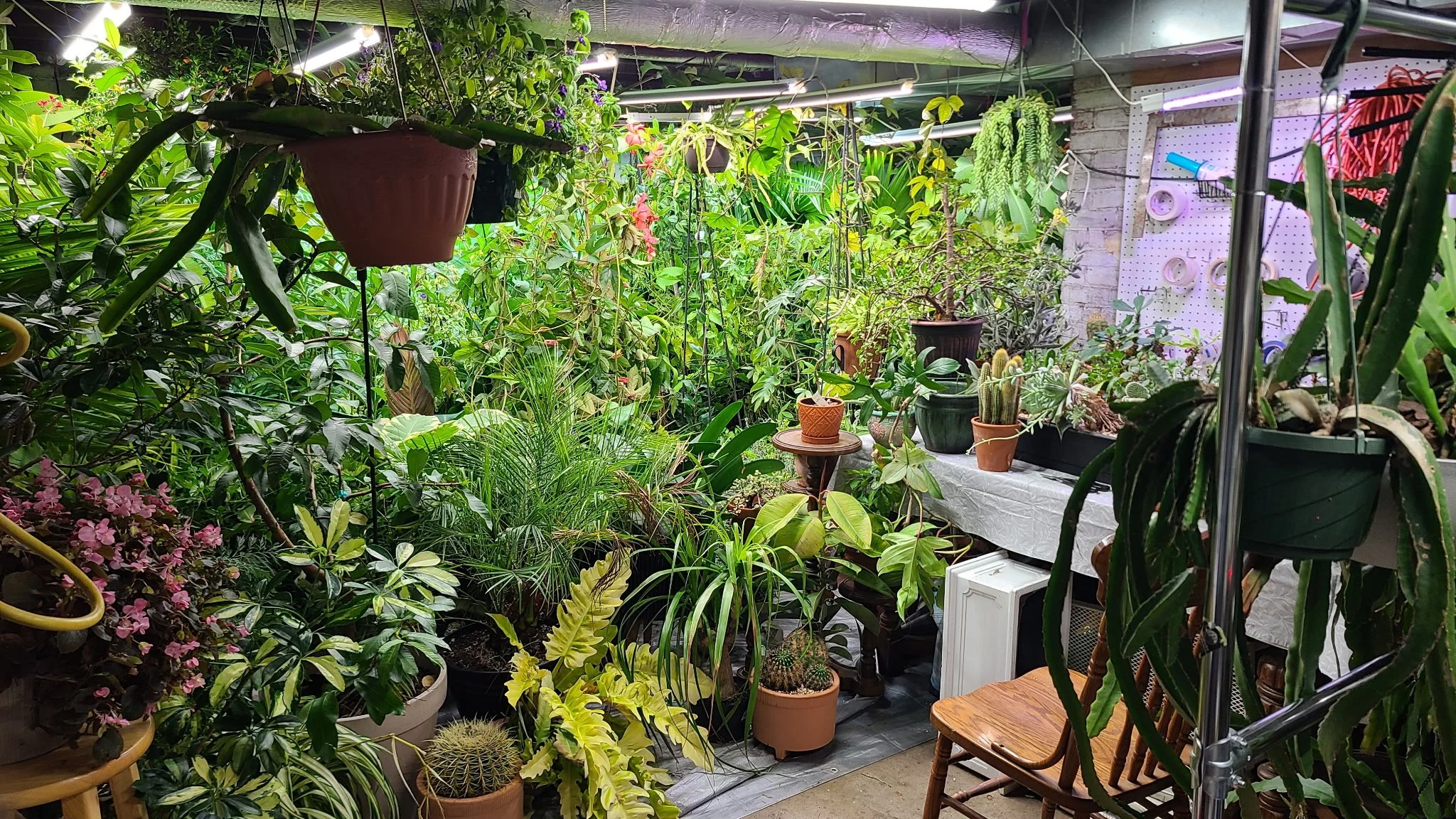
As the nights get colder here in the Mid-Ohio Valley, a lot of us are looking at our potted outdoor plants and wondering whether it's time to say goodbye. A couple weeks ago, I shared a blog post about bringing the outdoors inside for the winter. Then, I got a text from David, wanting to know if we would like to adopt a potted tree. (I’ve been known to adopt plants from time to time.) Then, he showed me a photo of his basement. It’s like Noah’s Ark for plants! I had to learn more!
David Mullins and his best friend Craig decided not to let their tropicals and other tender plants freeze. They turned one Marietta basement into a winter plant room, and it now holds about 75 plants! I asked David how they do it, and he was kind enough to share it all.
Meet the gardeners
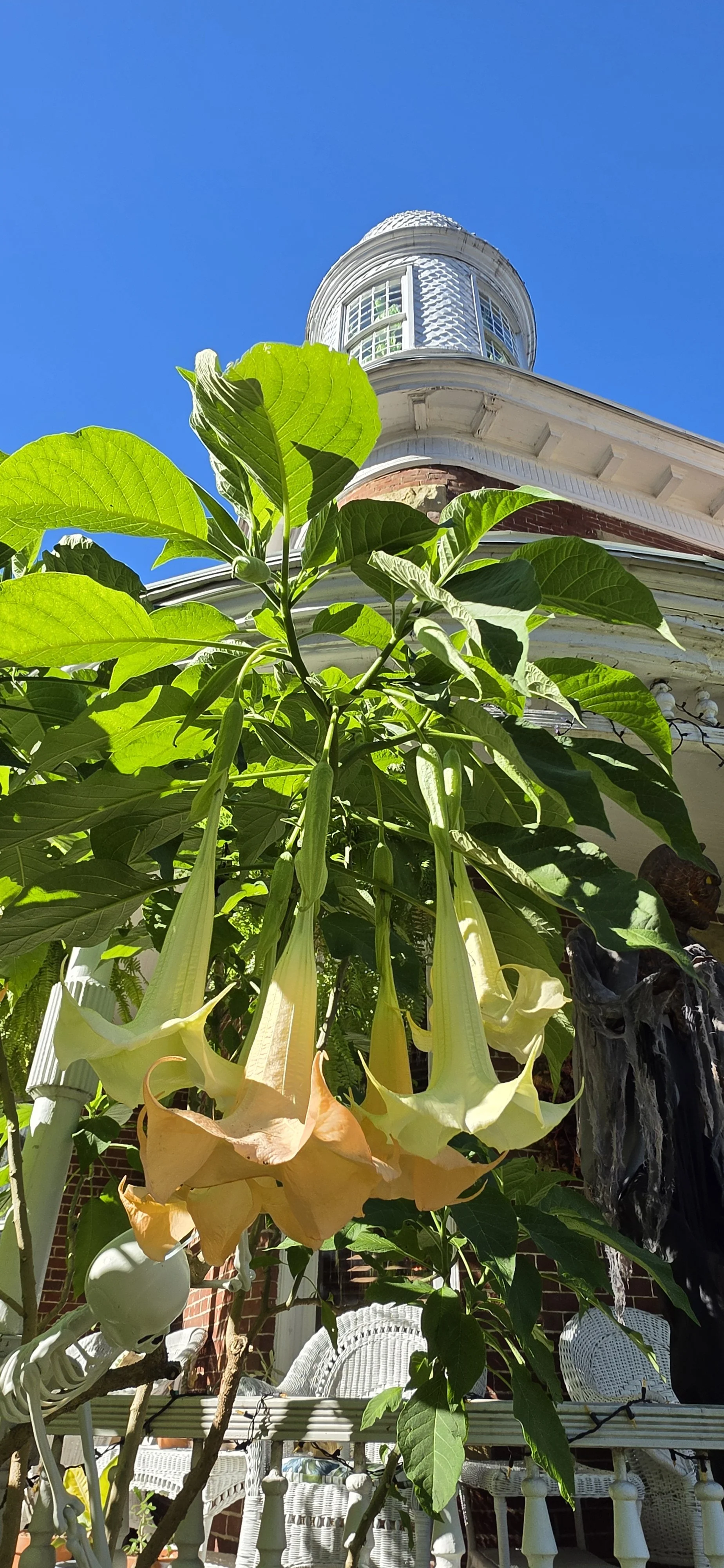
"First, I want to give credit to both myself and my best friend, Craig. We've shared a love of gardening for many years, even before I moved to Marietta."
"I've been gardening since the 1980s. I still remember one of my earliest gardening projects, when I created a garden filled with poppies. That experience sparked a love of gardening that has stayed with me ever since."
"Craig has been gardening for about 35 years. Over those years, he planted numerous trees and perennials around his home, creating beautiful gardens along the way."
Why bring them in?
"We both have a real love for tropical plants, and as our collection continued to grow, we realized we needed a way to protect our favorites, especially the more valuable ones, from freezing winter temperatures."
Their collection is big and varied: "palms, angel's trumpets, passionfruit vines, plumeria, and a large assortment of cacti and succulents, along with many other tropical plants. At last count, we estimated that we have around 75 plants spending the winter in our basement! This is only our second year in this house, so we're still learning and improving our setup as we go."
The basement setup
"We installed numerous grow lights, covered the floors with large tarps to protect against water and soil damage, and added a fan to keep the air circulating."
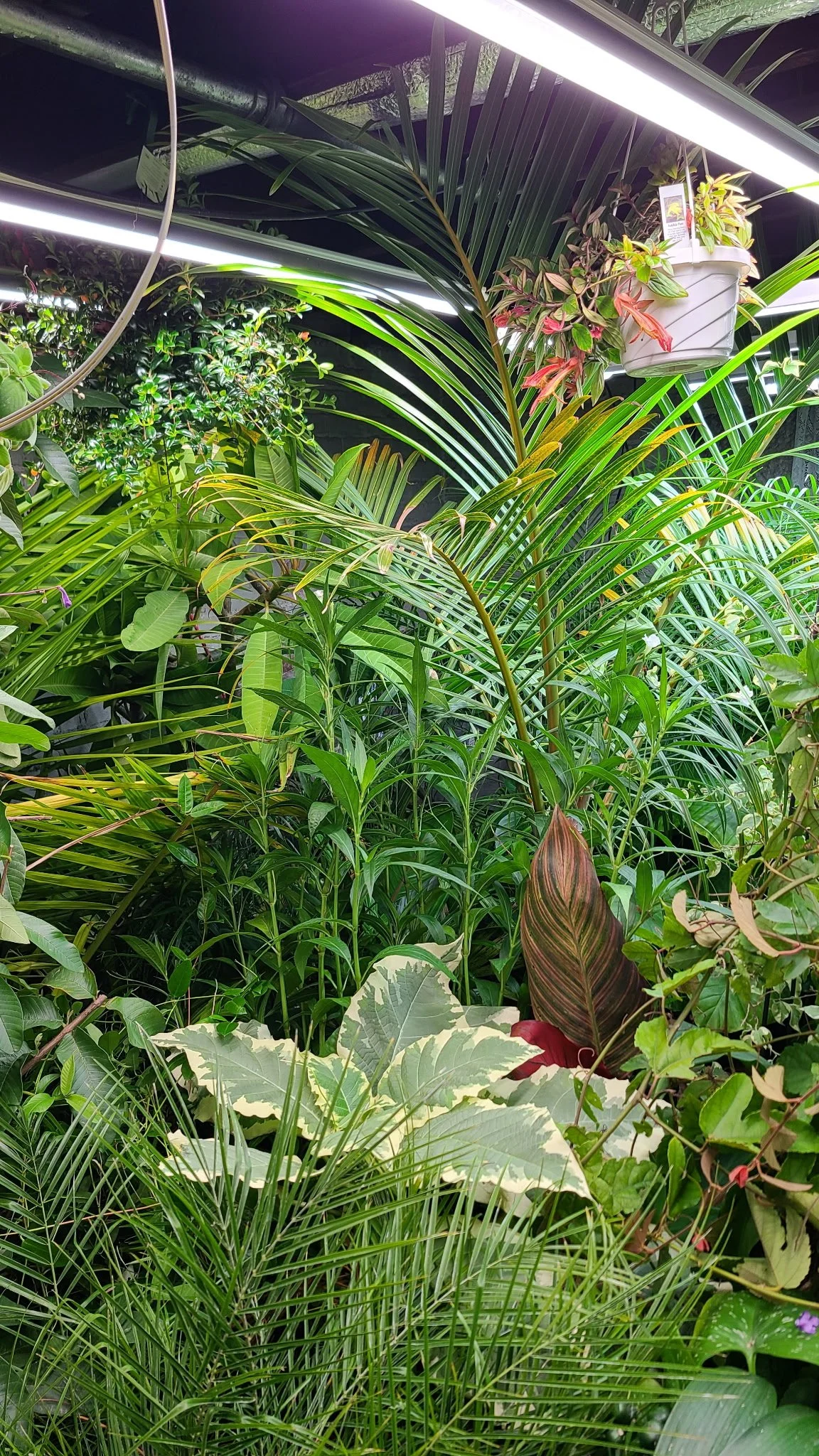
Light: "The basement has two north-facing windows that provide a little natural light, but certainly not enough to keep tropical plants happy throughout the winter. To make up for that, we've installed 16 grow lights overhead, along with two additional smaller lights along the edges. All the lights are connected to a timer... During the winter months, we currently provide about 12 hours of light each day."
Humidity: "Our plant room is also where the furnace and air-conditioning equipment are located, so dry air can be a constant challenge. To help compensate, we water the plants about once a week and mist them whenever needed."
Watering and feeding
"We've found that watering approximately once a week works well for most of our plants."
"We generally don't fertilize during the winter months. Instead, we wait until spring, when we're preparing to move the plants outdoors and their growing season is about to begin. The one exception is our small collection of orchids. They receive a light spray of plant food about once a month throughout the winter."
The easy keepers, and the troublemakers
"Surprisingly, our cacti and succulents seem to be some of the happiest plants in the basement!"
The angel's trumpets are the opposite. "They grow so much that we usually have to trim them back at least once before spring arrives!" They also "require the most attention and monitoring."
The aphid lesson
"Last winter, despite checking our plants for pests before bringing them indoors, a few aphids managed to sneak in. They eventually infested one of our angel's trumpets so badly that it lost every leaf!"
The plant made a comeback: "When we moved it back outside in the spring, it surprised us with an incredible burst of new growth. By the end of the growing season, it had reached nearly 10 feet tall!"
"This year, we thoroughly sprayed the plants with a garden hose before bringing them inside, and we're keeping neem oil on hand in case any unwanted pests appear. We've also allowed the spiders already living among the plants to stay, hoping they'll help keep harmful insects under control."
What they've learned from losses
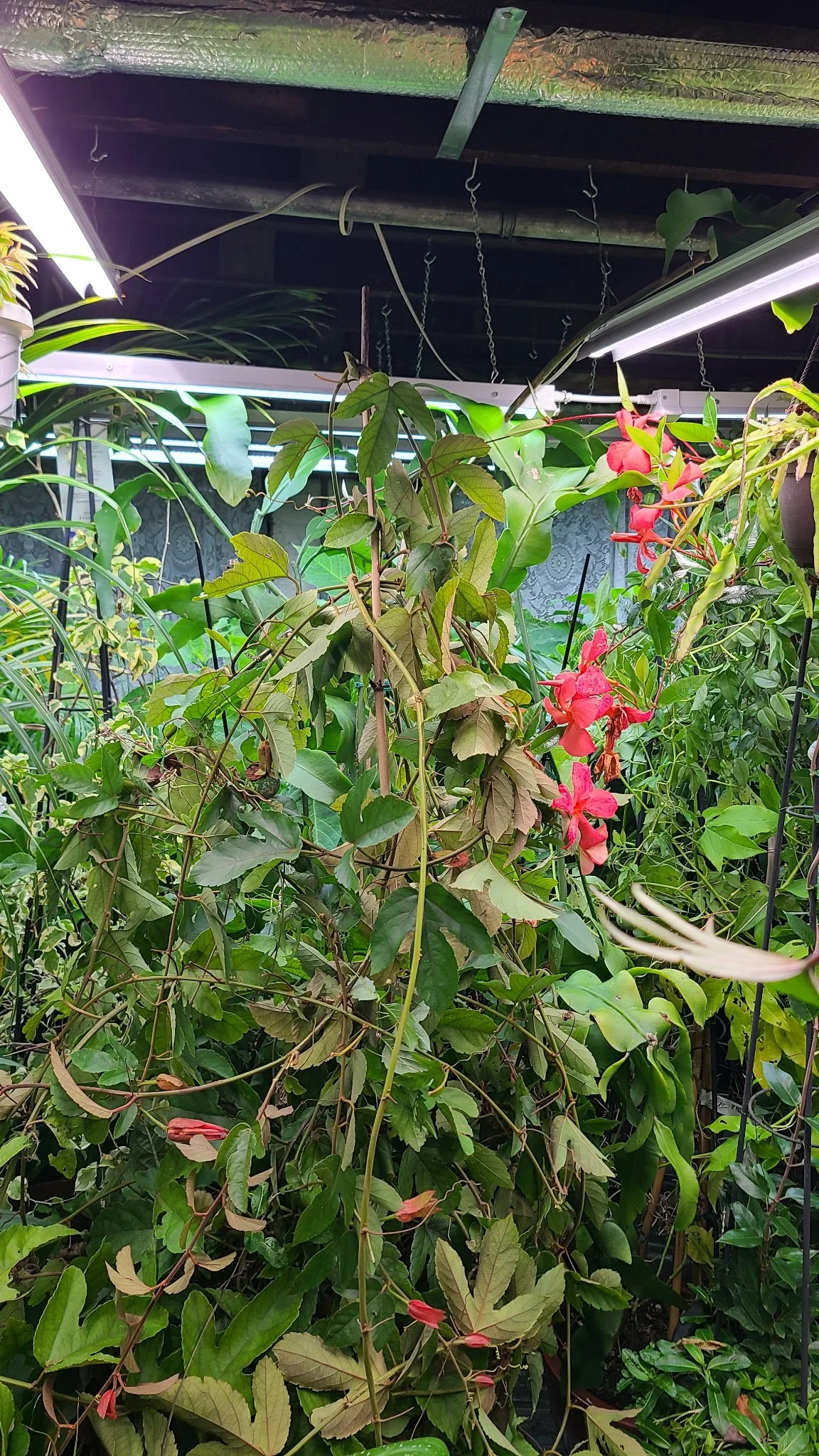
"Unfortunately, we've lost a few plants over the past two years, but most of those losses were probably preventable. Looking back, the main problems were things like too much shade, too little water, or occasionally too much water. We also learned that waiting too long to begin fertilizing in the spring, before moving the plants outdoors, wasn't always beneficial."
"Every loss has taught us something, and we've become much better at recognizing potential problems before they become serious."
The biggest surprise
"What surprised us most was just how well so many of our tropical plants adapted to spending the winter in a basement! ... Many even continue growing throughout the winter months! We've also lost far fewer plants than we originally anticipated."
David's number one tip
"… If you have a room with enough space and can provide adequate lighting, overwintering tropical plants indoors can be a wonderful way to protect your investment and enjoy your favorite plants year after year."
"Our number one tip would be to do your research before bringing plants indoors. Different plants have different requirements, so it's important to understand their individual needs for lighting, watering, temperature, and winter care."
And if they started over, is there anything they would do differently?
"Not really! We spent a good deal of time planning and preparing our basement before bringing the plants indoors, and that preparation has made a tremendous difference. ... Research, research, research! A little knowledge and preparation can go a long way toward keeping your plants healthy and happy throughout the winter."
A big thank-you to David and Craig for opening up their plant room to us. Got a winter plant story of your own? Stop by your local Bob's Market in Mason, Belpre, or Gallipolis and tell us about it. We love seeing what's possible in our region. 🌿