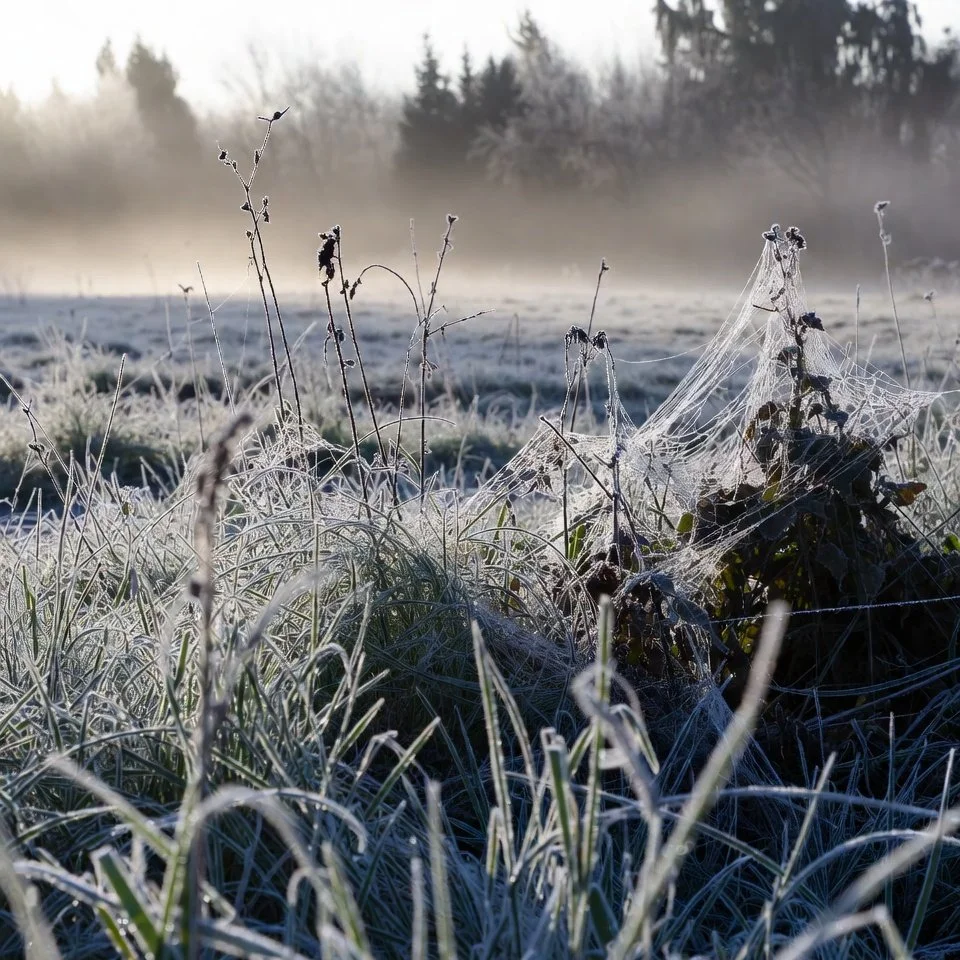
The first good frost changes the whole garden overnight. Yesterday’s zinnias and basil are black and limp, the tomato vines have given up, and the beds that looked so full in September suddenly look tired. Around Mason, Gallipolis, Belpre, and the river towns in between, that first frost usually comes mid-to-late October—confirm your own hillside, hollow, or bottomland, because the Ohio River valley loves a microclimate. Frost isn’t the end of the gardening year, though. It’s the signal to start tucking things in. Here’s how we think about the cleanup, one job at a time, so spring starts with less catch-up and more growing.
Clean Up the Beds (But Not Too Much)
Start with what frost finished off. Pull spent annuals and frost-killed vegetable plants—tomatoes, peppers, beans, squash vines—roots and all. Anything that had blight, mildew, leaf spots, or a bug problem this year goes out with the trash, not into the compost. Diseases and insect eggs love to overwinter in old plant debris, and a home compost pile usually doesn’t get hot enough to knock them out.
Perennials are a judgment call. Cut back anything that’s diseased or flopped over into a mushy mess, like hostas and daylilies once they collapse. Leave healthy stems and seed heads on coneflowers, black-eyed Susans, sedum, and ornamental grasses if you like the look. They feed winter birds, give beneficial insects a place to overwinter, and catch snow that helps insulate the crowns. Leave hardy mums standing for now. The WVU Extension calendar suggests cutting them back to 2 or 3 inches in late November and mulching them. A tidy bed is nice, but a perfectly bare one isn’t the goal.
Feed the Compost Pile
Fall is the best time of year to build compost, because the yard hands you all the ingredients at once. A healthy pile needs a mix of “browns” (dry leaves, straw, shredded paper, dead stems) and “greens” (fresh plant trimmings, kitchen vegetable scraps, coffee grounds). A good rule of thumb is roughly two to three parts browns to one part greens. Fall leaves are pure gold here—run the mower over them first so they break down faster and don’t mat into a soggy layer.
Keep out diseased plants, weeds that have gone to seed, meat, dairy, oils, and pet waste. Chop larger stems into smaller pieces. Give the pile a good turn before the deep cold sets in, keep it about as damp as a wrung-out sponge, and cover it with a tarp or lid so winter rain and snow don’t soak it through. Decomposition slows way down in the cold, but it doesn’t stop—by spring you’ll have a head start on next year’s beds. Extra shredded leaves? Bag a few and stash them by the pile to mix in with kitchen scraps over the winter.
Mulch at the Right Time
Winter mulch is about keeping the soil frozen once it freezes, not keeping plants warm. The trouble in the Mid-Ohio Valley is our freeze-thaw swings—a cold night followed by a sunny 50-degree afternoon can heave shallow-rooted perennials and new plantings right out of the ground. Wait until the ground has had a few hard freezes, usually in November around here, then spread two to four inches of shredded leaves, straw, or bark over perennial beds, strawberries, and fall-planted garlic and bulbs.
Keep mulch pulled back a few inches from tree trunks and perennial crowns so moisture doesn’t sit against them and invite rot or rodents. Empty vegetable beds can take a layer of shredded leaves or a cover crop so the soil isn’t left bare to wash away in winter rain.
Put the Tools to Bed
Your tools worked hard all season, and a little care now saves money and frustration in spring. Knock the soil off shovels, spades, rakes, and hoes, then scrub them clean and let them dry completely. Sharpen pruners, loppers, and hoe edges. Wipe metal parts with a light coat of oil to keep rust off, and rub wooden handles with linseed oil if they’re dry or rough. Sanitize pruner blades with rubbing alcohol if you cut any diseased plants this year.
Drain garden hoses, coil them, and store them out of the sun. Shut off and drain outdoor spigots before a hard freeze, and bring in hose-end sprayers and watering cans that can crack in the cold. Empty clay and ceramic pots, brush them out, and store them somewhere dry and protected, since water trapped in them can freeze and crack them. For mowers and other gas-powered equipment, either run the tank dry or add fuel stabilizer, and clean the grass off the deck. Hang tools on the wall or stand them in a bucket so you can find them on that first warm day in March.
Care for Water Features
Ponds, fountains, and birdbaths need their own winter plan. Start by netting ponds or scooping out fallen leaves regularly—decaying leaves at the bottom foul the water and use up oxygen fish need over the winter. Trim back pond plants once they’ve browned. Hardy water lilies and other hardy aquatic plants can be cut back and lowered to the deepest part of the pond, below where the ice will form. Tropical water plants won’t survive our winters outdoors.
If you keep fish, ease off feeding as the water cools and stop once the water temperature drops to about 50 degrees, because their digestion slows way down. Keep a small hole open in the ice so gases can escape—a floating pond de-icer or an aerator does the job. Never smash the ice, since the shock can stress or harm fish below. Small fountains and pondless water features should be drained, with pumps removed, cleaned, and stored somewhere frost-free according to the manufacturer’s directions. Empty ceramic, concrete, and glass birdbaths so freezing water doesn’t crack them, or turn them upside down. The birds will still appreciate fresh water, so a heated birdbath is a nice treat if you have one.
A Simple Post-Frost Checklist
• Pull frost-killed annuals and vegetables; trash anything diseased.
• Cut back mushy or diseased perennials; leave healthy seed heads for the birds.
• Shred leaves and build up the compost pile; turn it and cover it.
• Mulch perennial beds, strawberries, and garlic after a few hard freezes.
• Clean, sharpen, and oil tools; drain hoses and spigots; empty pots.
• Net or clean ponds, cut back pond plants, and drain fountains and birdbaths.
• Write down what worked and what struggled this year while it’s fresh.
None of this has to happen in one weekend. Chip away at it on the nice afternoons between now and Thanksgiving, and by the time the snow flies, the beds will be resting, the tools will be ready, and the compost will be quietly working for next year. It’s the same rhythm our family has followed around the greenhouses in Mason for generations—take care of the ground in the fall, and it takes care of you in the spring.
Swing by Bob’s Market in Mason, Gallipolis, or Belpre for mulch, tools, and garden supplies, or just to talk through what’s left in your beds. Questions about cutting back a particular plant or getting a pond ready for winter? Holler in the comments or ask at the markets.