Divide and Conquer
A clump of daffodils that used to light up the yard in April can go quiet without ever looking sick. The leaves still come up. The bunch is still there. There are just fewer flowers, and the ones you get are smaller. That is usually crowding, not a bad year.
Spring-blooming bulbs — daffodils, grape hyacinth, crocus, snowdrops, and some of the smaller species tulips — make offsets. Those baby bulbs sit right against the mother bulb. After a few seasons the bunch is packed so tight the plants are competing for space, and bloom drops off. Fall, while the ground in the Mid-Ohio Valley is still workable, is a practical time to lift that bunch, split it, and put it back with room to root before winter.
Which bunches are worth dividing
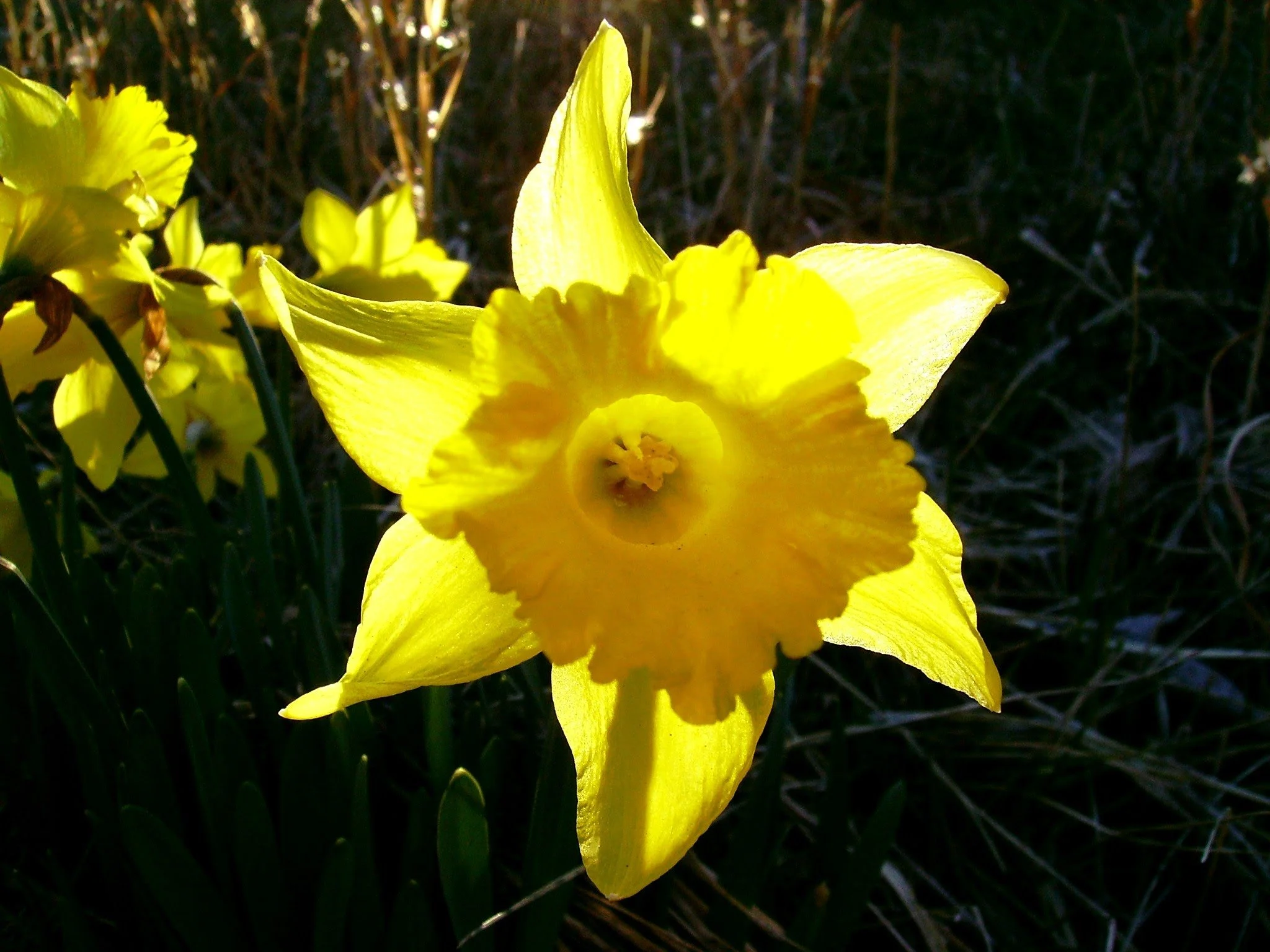
Not every spring bulb wants the same treatment.
Daffodils are the classic. A healthy clump can stay put for years. Divide when flowering thins, usually every three to five years, or when the center of the bunch looks tired and the flowers have moved to the outside.
Grape hyacinth, crocus, and snowdrops multiply readily. Split them when the patch is thicker than you want, or when you would like to start a new drift somewhere else in the yard.
Hybrid tulips are different. In our climate many of them fade after a few springs even when they are not crowded. Dividing will not bring an old hybrid tulip bed back the way it brings daffodils back. Those beds are usually refreshed with new bulbs rather than split.
If the clump still bloomed well last spring, leave it.
Division is for bunches that have slowed down, or for plants you want to share with another bed.
Why fall works here
The easier time to find the bulbs is late spring, after the flowers are finished and the leaves have yellowed. The foliage is the map. If you can mark those spots with a short stake or a flat stone while the leaves are still visible, fall digging is much simpler.
Fall is the backup — and for a lot of yards, the only window that fits the calendar. The bulbs are dormant. You can replant the same day, at the same time you would plant new spring bulbs, and they get the winter chill they need to flower.
Around Mason, Gallipolis, and Belpre we are mostly Zone 6a–6b, with a few warmer pockets. A typical first fall frost lands mid-to-late October, and the ground usually stays workable into November, depending on the hillside, the hollow, or the river bottom. Aim to have divided bulbs back in the ground while you can still dig, and with a few weeks of mild soil left so roots can start. Early October is a comfortable target. If a cold snap firms the bed before you finish, wait for a thaw rather than planting into frozen ground.
Do not dig a clump that still has green leaves. Those leaves are feeding next year’s flower. If you missed the spring window, wait until fall.
How to lift and split a bunch
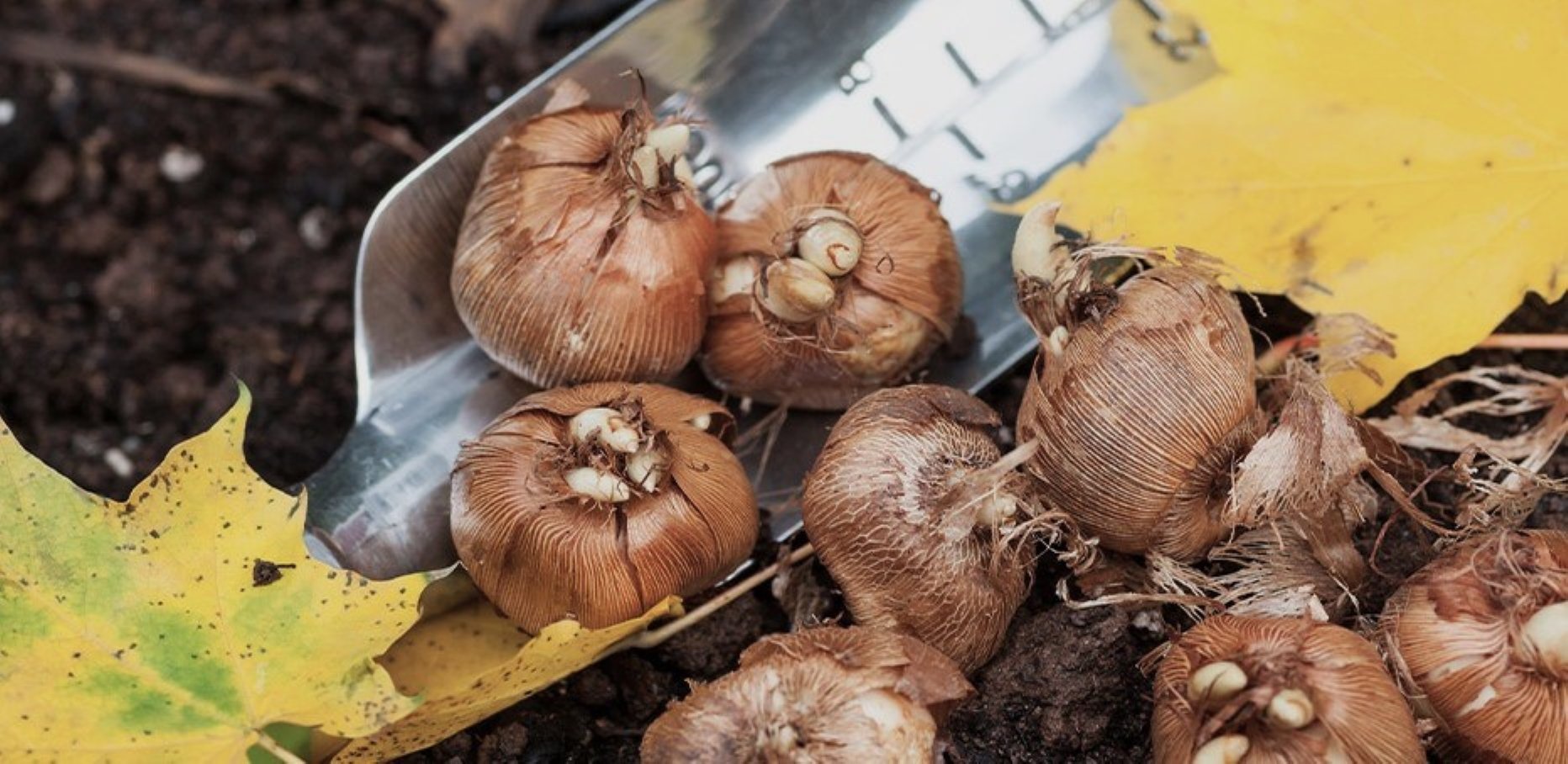
Start wide. Use a garden fork and dig outside the clump, then lift from underneath. A shovel through the middle cuts bulbs you cannot see.
Shake off the soil. Pull the offsets away from the mother bulbs. They should separate with a gentle twist. If two bulbs are still firmly joined, leave them together rather than tearing the basal plate.
Keep the firm ones. Discard anything soft, moldy, or cut. A papery tunic is normal. A squishy bulb is not.
Replant the same day if you can. Set each bulb point up, at a depth of about three times its height — often 6 inches for a full-size daffodil, 3 to 4 inches for crocus and other small bulbs. Space them so you are not rebuilding the same crowd: several inches between daffodils, closer for the little ones if you want a drift.
Water them in so the soil settles around the bulbs. A light mulch of shredded leaves after the soil cools is enough. Do not pile it on deep, and do not mulch so early that the bed stays warm into winter.
River-bottom clay holds water. If the spot stayed soggy last spring, move the divided bulbs to a bed that drains, or plant them a little higher. Wet feet rot bulbs faster than a cold winter will.
What to expect next spring
A fat mother bulb often flowers the first spring after a fall divide. Small offsets may spend a year making leaves before they bloom. That is normal. The payoff is the year after, when the new spacing shows up as a fuller patch instead of one tight bunch.
Leave the foliage alone until it yellows. Tying it in knots or cutting it green shortchanges the bulb. A little bone meal or a balanced bulb fertilizer at planting is optional; good drainage and room to grow matter more. Skip fresh manure in the planting hole.
Daffodils are usually left alone by deer. Tulips and crocus are not. If deer work your yard, daffodils and grape hyacinth are the more reliable spring bunches to divide and spread.
A simple fall plan
This week, while the soil gives: lift the daffodil bunches that bloomed thin last April.
Split, sort, and replant the firm bulbs the same afternoon.
Save a few offsets for a new drift by the mailbox, the porch, or a spot you can see from the kitchen.
Stake anything you do not get to, and finish before the ground locks up.
Spring color in the Mid-Ohio Valley is mostly decided in October. The bunches you give a little room now are the ones that show up when the rest of the yard is still brown.
Stop by
If you are not sure whether a tired clump is crowded, too wet, or simply finished, bring a photo in. We like seeing what the season is doing in real yards around Mason, Gallipolis, Belpre, and the river towns in between. Questions are welcome at your local Bob’s. Then let winter do the chilling. April is when those divided bunches are supposed to answer.