Under Cover
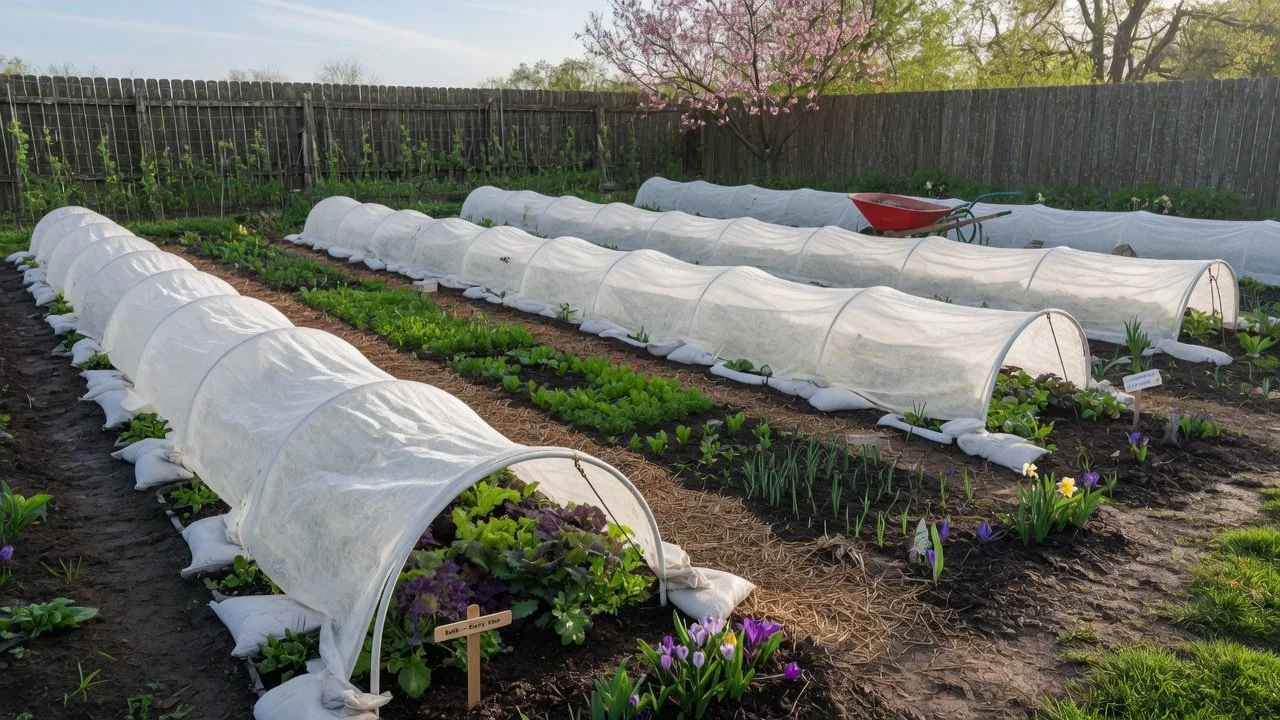
Spring gardening is full of hope and excitement. You've started your seedlings indoors, hardened them off, and finally tucked them into the garden beds. Then, the forecast hits: a late spring frost or freeze. Don't panic! With the right "under cover" strategies, you can shield your tender crops and keep your garden thriving—especially here in West Virginia, where the average last frost date often falls in late April, but surprise cold snaps can linger into May.
Why Spring Frosts Are Sneaky
Even in warmer climates, spring weather can be fickle. A clear, calm night after a warm day can lead to radiative frost, where temperatures dip below freezing close to the ground.
Light frost (29–32°F): Can damage tender new growth.
Hard freeze (below 28°F): More severe, can kill many warm-season plants.
Tender vegetables like tomatoes, peppers, eggplant, beans, cucumbers, squash, melons, and basil are highly vulnerable. They need protection if temps are forecast to drop near 36°F or below. Cool-season crops such as kale, spinach, lettuce, broccoli, peas, and cabbage are much hardier and can often withstand light frosts.
Preparation is Key
The best defense starts before the cold hits:
Water thoroughly: Moist soil retains and releases heat better than dry soil. Water the garden the day before an expected freeze.
Mulch: Apply a layer of organic mulch around plants to insulate the soil and roots.
Harden off: Gradually expose transplants to outdoor conditions to toughen them up.
Monitor forecasts: Use a reliable weather app or local extension service alerts—be ready to act quickly.
Getting Under Cover: Effective Protection Methods
1. Floating Row Covers (The Gardener's Go-To)
These lightweight, breathable fabrics (also called frost blankets) are the MVP of spring protection. They come in different weights:
Lightweight: Good for insect protection and light frosts.
Medium/Heavyweight: Can protect down to 24–28°F, providing 4–8°F of warmth.
Drape them over plants or use hoops for a low tunnel. Secure the edges with soil, rocks, bricks, or landscape pins so wind doesn't lift them. They allow light, air, and water through, so they can stay on for days if needed. Bonus: they also deter pests and can extend your season into fall.
2. Cloches and Individual Covers
Perfect for seedlings or a few prized plants:
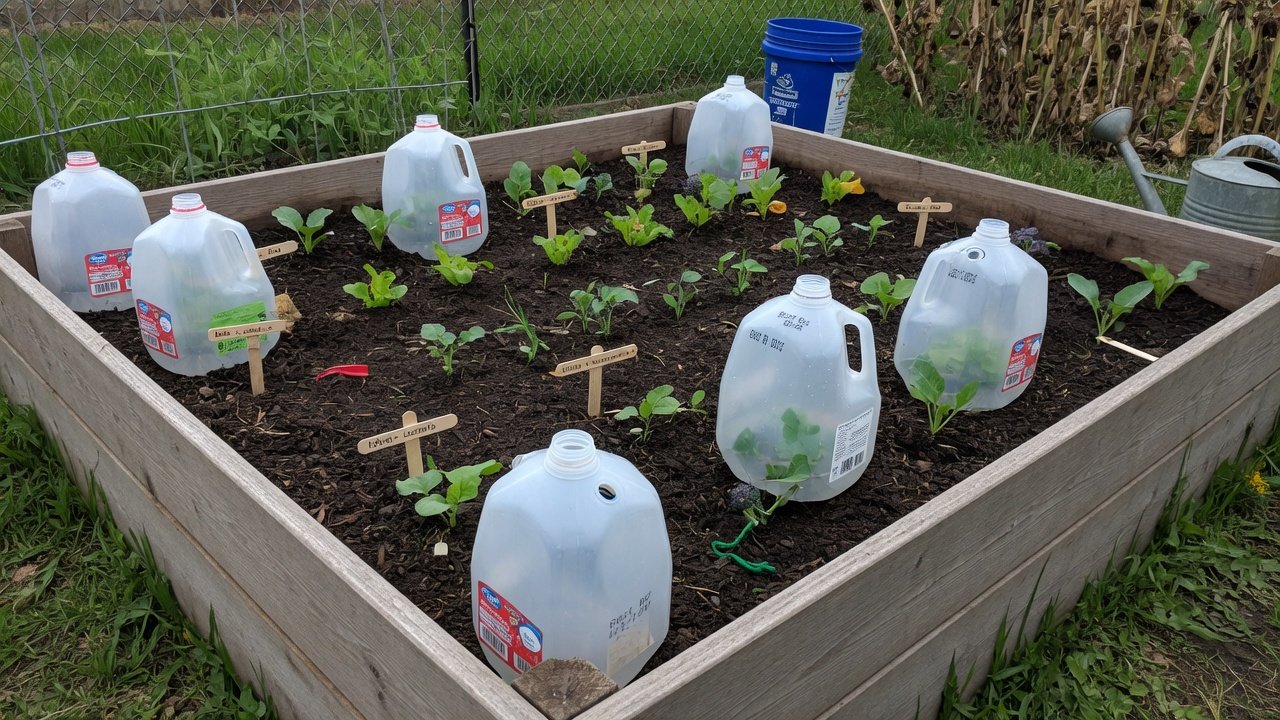
Cut the bottom off plastic milk jugs or large soda bottles and place them over young plants (remove caps or poke holes for ventilation during the day).
Use inverted buckets, waxed paper cups, or commercial cloches.
These create a mini greenhouse effect right where it's needed.
3. DIY Blankets, Sheets, and Hoop Tunnels
Old bedsheets, fleece blankets, or towels work great in a pinch.
Prop them up with stakes, tomato cages, or PVC hoops so the fabric doesn't touch the foliage (direct contact can transfer cold and damage leaves).
For bigger beds, build simple low tunnels or hoop houses with wire or PVC and row cover fabric.
Pro Tip: Cover plants in the late afternoon or early evening to trap the day's warmth. Remove covers the next morning once temperatures rise above freezing to allow light and air in. Never use plastic sheeting directly touching plants—it can trap moisture and cause more harm.
Extra Tips for Success
Containers: Move potted plants to a sheltered porch, garage, or indoors overnight.
Microclimates: Plant near south-facing walls or fences for natural warmth.
Overhead sprinkling: For certain radiation frosts (like protecting fruit blossoms), a light continuous spray of water can release latent heat as it freezes—but this works best in specific situations and isn't practical for every veggie patch.
Reusability: Invest in quality row covers—they last for seasons and pay for themselves quickly.
With these techniques, you can often gain several extra weeks of growing time in spring and protect your investment in seedlings and seeds.
Don't Let Frost Ruin Your Harvest
Protecting your garden "under cover" doesn't have to be complicated or expensive. A few row covers, some recycled milk jugs, and good planning can make all the difference between a bountiful spring harvest and starting over.
What's your favorite frost protection hack? Share it in the comments below! If you're gardening in a frost-prone spot like the valleys away from the Ohio River, stock up on row cover fabric early—it's a total game-changer.