April Awakening

As the days lengthen and the earth thaws, April brings a gentle awakening to gardens everywhere. In places like The Ohio Valley (USDA Zone 6 & 7), the last frost often lingers until late April in the valleys, making this the perfect month to shake off winter's slumber and set the stage for a vibrant growing season. The air carries a crisp promise of renewal, and the soil stirs with potential. Whether you're tending a small backyard plot, raised beds, or a sprawling vegetable garden, now is the time to prepare thoughtfully. A little effort in April pays dividends all summer long.
Spring garden prep isn't about rushing into planting everything at once—it's about creating healthy foundations, respecting the soil, and timing your actions with nature's rhythm. Let's walk through the essential steps to awaken your garden this April.
1. Assess and Clean Up: Clear the Way for New Growth
Start with a gentle inspection on a dry, mild day. Walk your garden beds and note any winter damage: broken branches from snow or ice, dead foliage, or debris that accumulated over the colder months.
Remove fallen leaves, old stalks, and spent plants from areas where you'll be planting soon, but don't do a complete "clean sweep" everywhere. Leave some leaf litter in perennial beds and wilder corners—it provides shelter for beneficial insects, pollinators, and overwintering wildlife. Focus your cleanup on vegetable beds and high-traffic areas first to build momentum without overwhelming yourself.
Pull early weeds by hand while they're small, and rake out any matted material that could harbor pests or diseases. If you have raised beds or permanent pathways, stick to those aisles to avoid compacting the soil. This "spot cleaning" approach keeps the task manageable and prevents you from trampling wet ground.
Pro tip for Ohio Valley gardeners: With our variable spring weather, wait until the soil is workable. Squeeze a handful—if it forms a tight ball that doesn't crumble easily, it's still too wet. Working wet soil destroys its structure and leads to compaction issues later.
2. Prune and Shape for Healthy Structure
Early April is prime time for pruning many deciduous trees, shrubs, and perennials while they're still mostly dormant. Focus on removing dead, damaged, or crossing branches to improve airflow and shape. Cut back ornamental grasses and perennials like sedum, phlox, or hostas to make room for fresh growth.
Avoid pruning spring-flowering shrubs (like forsythia or lilac) until after they bloom, or you'll sacrifice this year's flowers. For roses and hydrangeas, follow variety-specific guidelines—some benefit from hard cuts now.
This step not only tidies the garden but also directs energy toward strong new shoots. Use sharp, clean tools to make precise cuts that heal quickly.
3. Revitalize the Soil: Feed the Foundation
Healthy soil is the secret to a thriving garden. Once beds are cleared and dry enough:
Test your soil if you haven't recently (kits are available at local extension offices or garden centers). Check pH and nutrient levels—our region’s soils often benefit from lime or organic amendments.
Spread 1–3 inches of compost or well-rotted manure across the surface. Gently work it into the top few inches without heavy tilling, especially in no-dig systems. This boosts microbial life, improves drainage, and provides slow-release nutrients.
Consider a light application of balanced organic fertilizer for beds that will host heavy feeders like tomatoes or corn.
If your soil is compacted, use a broad fork to loosen it aerate without turning it over completely. Avoid the temptation to overwork the beds—less disturbance often means better long-term soil health.
4. Mulch Thoughtfully: Suppress Weeds and Conserve Moisture
Once the soil has warmed slightly and you've added compost, apply a 2–3 inch layer of organic mulch—shredded leaves, wood chips, straw, or bark. Mulch keeps weeds at bay, moderates soil temperature, retains moisture, and prevents erosion during spring rains.
Leave a small gap around the stems of plants and trees to prevent rot. In vegetable gardens, straw or chopped leaves work wonderfully around cool-season crops.
Refresh mulch in perennial borders where it has broken down over winter. This simple step can dramatically reduce weeding time later in the season.
5. Plan and Plant Cool-Season Crops
April is for strategic planting in Zone 6 & 7. Direct sow hardy vegetables and flowers as soon as the soil can be worked:
Cool-season favorites: Peas, spinach, lettuce, kale, radishes, carrots, beets, and Swiss chard.
Onions, potatoes, and asparagus can go in early.
Start warm-season crops (tomatoes, peppers, eggplant) indoors or in a greenhouse for transplanting after the last frost (typically late April to early May locally).
Harden off indoor seedlings gradually before moving them outside. Plant trees and shrubs now while the weather is cool and roots can establish before summer heat.
Don't forget flowers! Direct sow sweet peas, or transplant hardy annuals like pansies and snapdragons for early color.
6. Tackle Infrastructure and Tools
Before the rush of growth, address practical tasks:
Inspect and repair trellises, fences, raised beds, hoses, and irrigation systems.
Clean and sharpen tools—pruners, shovels, and tillers.
Tune up your lawn mower if needed, but hold off on heavy mowing until grass is actively growing (often late April or May).
Set up supports for climbing plants or install row covers for frost protection on tender starts.
These "structural projects" are easier now when beds aren't full of plants.
Common Pitfalls to Avoid This April
Enthusiasm is wonderful, but pace yourself:
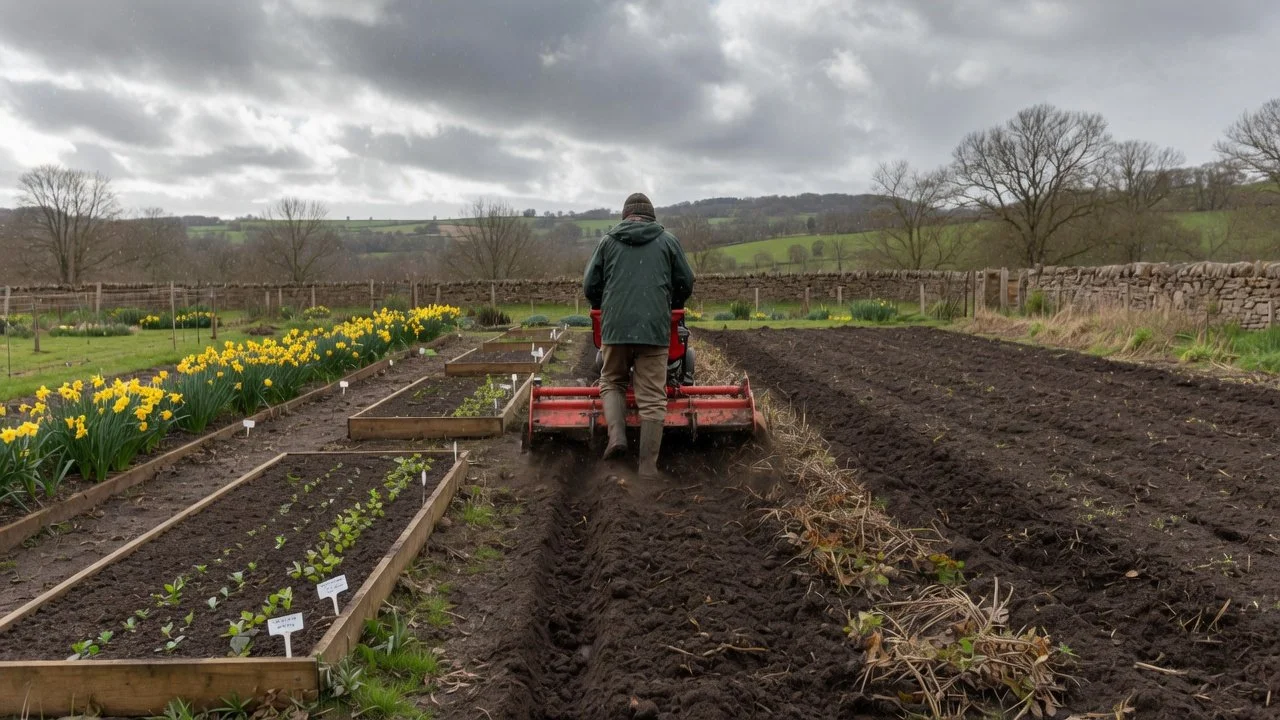
Don't dig wet soil—it ruins texture and creates clods that harden like concrete.
Resist planting warm-season crops too early—a late frost can wipe them out. Use row covers or cloches as insurance.
Avoid over-pruning spring bloomers or removing all leaf litter at once.
Don't forget to observe—watch for emerging bulbs, returning birds, and early pollinators. Gardening is as much about presence as it is about tasks.
Embrace the Awakening
Preparing your garden in April feels like participating in a quiet miracle. The soil warms, buds swell, and life returns in subtle greens and tentative blooms. Take it one bed at a time, enjoy the fresh air on your face, and celebrate small wins—like the first radish seedlings poking through or the sight of earthworms in your compost-enriched soil.
By the end of the month, your garden will be primed for abundance: healthier plants, fewer weeds, and the deep satisfaction of working with nature rather than against it. Whether you're growing food for your table or flowers for the soul, this April awakening sets the tone for a rewarding season.
Grab your gloves, step outside, and let the garden remind you—after every winter comes renewal. Happy gardening!
What are your favorite April garden rituals? Share in the comments below.