The Power of Cover Crops
As the vibrant hues of summer vegetables fade and the crisp air of autumn settles in, it’s tempting to let your garden beds rest until spring. However, planting cover crops in the fall is one of the smartest moves you can make to nurture your vegetable garden’s long-term health. These unsung heroes of the garden work quietly beneath the surface, enriching soil, suppressing weeds, and preparing your beds for a bountiful growing season ahead. Let’s dive into why autumn cover crops are a game-changer for vegetable gardeners and how to choose and manage them effectively.
Why Plant Cover Crops in Autumn?
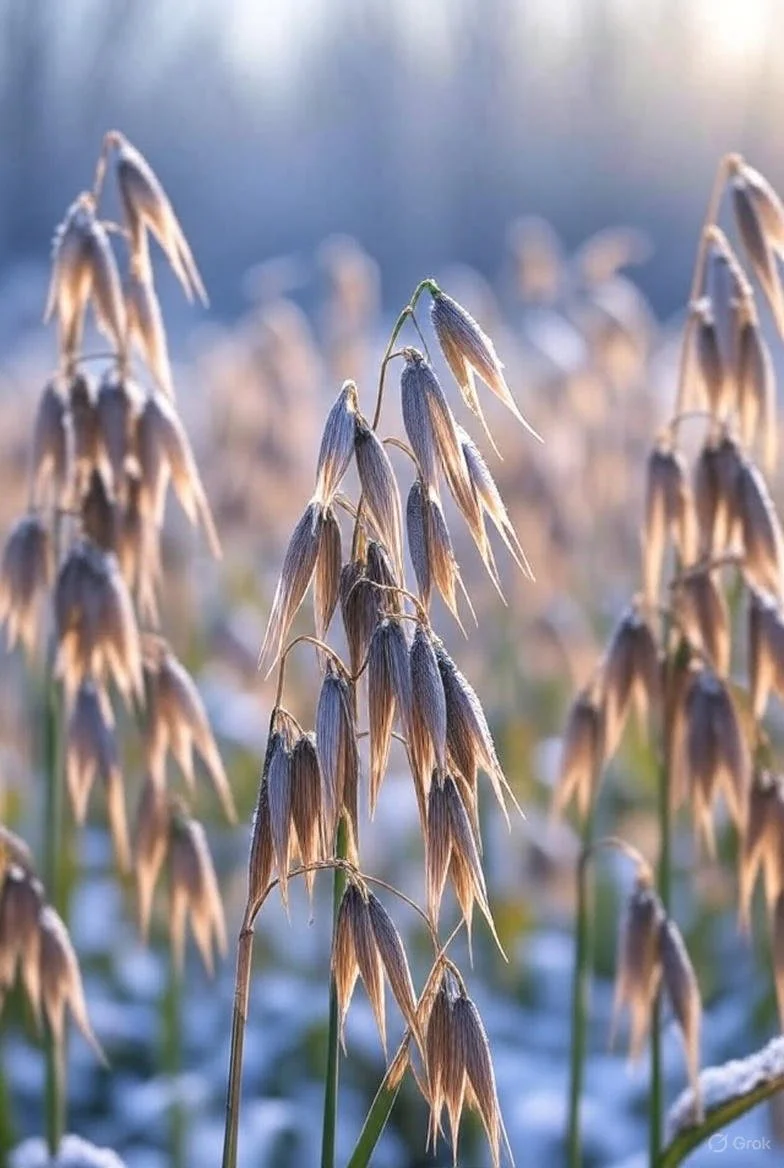
Cover crops, sometimes called “green manure,” are plants grown primarily to benefit the soil rather than for harvest. In autumn, when vegetable gardens are winding down, cover crops offer a range of benefits that set the stage for healthier, more productive beds in the spring:
Soil Fertility Boost: Many cover crops, like legumes (clover, vetch, or field peas), fix nitrogen from the air into the soil, providing a natural fertilizer for next season’s crops. Others, like rye or oats, scavenge leftover nutrients, preventing them from leaching away during winter rains.
Weed Suppression: Dense cover crops outcompete weeds for light and space, reducing the weed seed bank in your soil. This means less weeding when spring planting rolls around.
Erosion Control: Bare soil is vulnerable to erosion from wind and rain. Cover crops’ root systems hold soil in place, preserving your garden’s structure through winter storms.
Improved Soil Structure: Deep-rooted cover crops, like daikon radish, break up compacted soil, improving aeration and drainage. As their roots decompose, they create channels for water and air, benefiting future crops.
Pest and Disease Management: Some cover crops, like mustard, release compounds that suppress soil-borne pests and pathogens, acting as a natural fumigant when tilled into the soil.
Wildlife Support: Flowering cover crops, such as buckwheat or crimson clover, attract pollinators and beneficial insects, fostering a balanced ecosystem in your garden.
Best Cover Crops for Autumn Planting
Choosing the right cover crop depends on your garden’s needs, climate, and the time you have before the first frost. Here are some top choices for autumn planting in vegetable gardens:
Crimson Clover: A nitrogen-fixing legume, crimson clover thrives in cooler weather and produces beautiful red blooms that attract pollinators. It’s easy to till under in spring and adds significant nitrogen to the soil. Plant by mid-September in most regions for best results.
Winter Rye: Hardy and fast-growing, winter rye is ideal for late fall planting. Its extensive root system prevents erosion and suppresses weeds, while its biomass adds organic matter when tilled in. It’s perfect for colder climates but may require effort to turn under in spring due to its tough stems.
Hairy Vetch: Another nitrogen-fixing legume, hairy vetch is excellent for improving soil fertility. It’s cold-tolerant and works well in combination with rye for a balanced cover crop mix. Plant it early enough (6-8 weeks before frost) to establish strong roots.
Oats: A great choice for milder climates, oats grow quickly and produce lush foliage that smothers weeds. They typically die back in hard frosts, making them easy to manage in spring as their residue decomposes readily.
Daikon Radish: Known as a “bio-drill,” daikon radish’s deep taproots break up compacted soil and pull nutrients from deep in the ground. When they die back in winter, the decomposing roots leave behind loose, fertile soil.
Mustard: This fast-growing brassica acts as a biofumigant, suppressing nematodes and fungal pathogens when incorporated into the soil. It’s a great choice for gardens struggling with soil-borne diseases but should be planted before heavy frosts.
How to Plant and Manage Autumn Cover Crops
Prepare the Bed: After harvesting your summer crops, clear debris and lightly rake the soil. Remove any weeds to give your cover crop a head start.
Sow the Seeds: Broadcast seeds evenly over the soil surface, following the seeding rate on the package (typically 1-2 pounds per 1,000 square feet for most cover crops). Lightly rake or cover with a thin layer of soil or compost to ensure good seed-to-soil contact.
Water and Monitor: Keep the soil moist during germination, which can take 5-14 days depending on the crop and weather. Most autumn cover crops are low-maintenance once established, but check for weed competition or pest issues.
Winter Management: In mild climates, cover crops may continue growing slowly through winter. In colder regions, some (like oats or mustard) will die back naturally, while others (like rye or vetch) overwinter and resume growth in spring.
Spring Incorporation: In early spring, 3-4 weeks before planting your main crops, mow or cut down cover crops. Till or turn them into the soil to decompose, adding organic matter and nutrients. For no-till gardens, crimp or roll the crops and cover with mulch, allowing them to break down on the surface.
Tips for Success
Timing is Key: Plant cover crops early enough in autumn (late August to early October, depending on your region) to allow establishment before frost. Check your local frost dates and plan accordingly.
Mix It Up: Combining cover crops, like a legume (clover) with a grass (rye), maximizes benefits like nitrogen fixation and weed suppression. Seed mixes are widely available and tailored to different climates.
Know Your Goals: Choose cover crops based on your garden’s needs. Need nitrogen? Go for legumes. Battling compacted soil? Try daikon radish. Fighting weeds? Winter rye is your friend.
Source Quality Seeds: Purchase cover crop seeds from reputable suppliers to ensure good germination and avoid introducing weeds. Local farm supply stores or online retailers like Johnny’s Selected Seeds or Peaceful Valley are great options.
Rotate Thoughtfully: Avoid planting cover crops from the same family as your next vegetable crop (e.g., don’t follow mustard with brassica crops like broccoli) to prevent pest and disease buildup.
A Step Toward Sustainable Gardening
Incorporating autumn cover crops into your vegetable garden is like giving your soil a winter blanket and a nutrient-packed smoothie all at once. Not only do they protect and enrich your soil, but they also reduce your reliance on synthetic fertilizers and pesticides, making your garden more sustainable. Plus, there’s something deeply satisfying about watching a patch of clover or rye thrive while the rest of the garden sleeps.
So, as the leaves fall and the days shorten, grab a bag of cover crop seeds and give your garden the gift of health. Come spring, your soil—and your vegetables—will thank you.