Rainy Weather Garden Pests
Rain is a gardener’s friend—watering plants, encouraging growth, and refreshing the soil. But prolonged wet weather also creates ideal conditions for certain pests that love moisture. Slugs, snails, aphids, and a few others can quickly turn your thriving garden into a battlefield.
Here’s what to look for during rainy spells and practical ways to protect your plants.
1. Slugs and Snails: The Slime Army
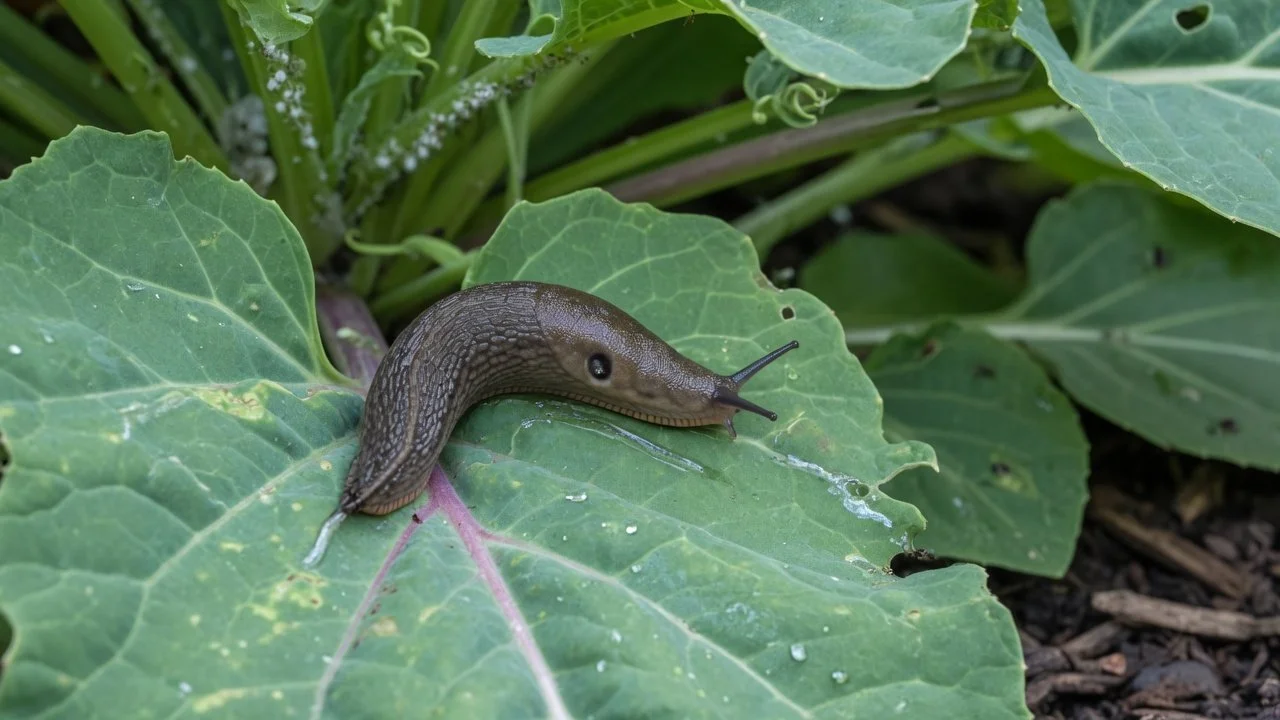
These are the biggest culprits in rainy weather. Slugs and snails thrive in cool, damp conditions. They hide during dry spells but emerge en masse after rain, feeding at night or on overcast days.
Signs of trouble:
Irregular holes in leaves, especially on tender seedlings, hostas, lettuce, and tomatoes.
Silvery slime trails on plants and soil.
Plants looking ragged or completely defoliated near the base.
Control tips:
Handpick at night or early morning after rain—drop them into soapy water.
Use beer traps (bury a container with beer so the rim is at soil level) or iron phosphate baits like Sluggo (pet- and wildlife-safe).
Apply copper tape around pots or raised beds—it gives them a mild shock.
Encourage predators: ducks, chickens, toads, and ground beetles.
Improve drainage, remove hiding spots (boards, debris), and water in the morning so foliage dries faster.
2. Aphids: Tiny Sap-Suckers
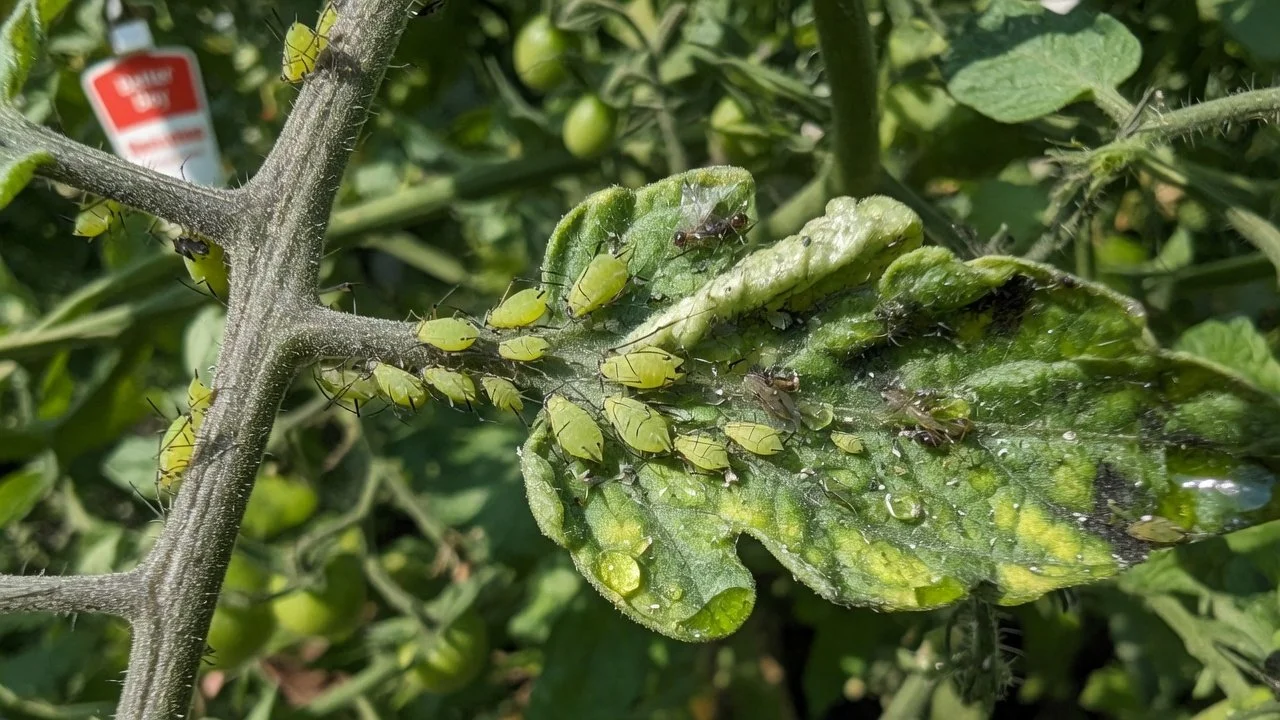
Rain promotes lush new growth, which aphids love. These small, soft-bodied insects (green, black, or other colors) cluster on new shoots, buds, and undersides of leaves. Heavy rain can sometimes knock them off, but they rebound quickly.
Signs of trouble:
Curled or distorted leaves.
Sticky “honeydew” on leaves (which can lead to sooty mold).
Ants farming the aphids for their honeydew.
Control tips:
Blast them off with a strong spray of water.
Use insecticidal soap or neem oil (reapply after rain washes it off).
Introduce beneficial insects like ladybugs and lacewings.
Pinch off heavily infested tips and encourage natural predators.
Other Pests That Love Wet Weather
Earwigs: Hide in moist mulch and chew on flowers and seedlings. Trap them with rolled-up newspaper or tuna cans.
Snails (close relatives of slugs): Particularly active after rain on paths and in beds.
Fungal issues (not true pests but often appear with rain) like powdery mildew or blight—improve airflow and avoid overhead watering when possible.
Prevention Strategies for Rainy Seasons
Garden hygiene — Clear debris, improve soil drainage, and space plants for better airflow.
Mulch wisely— Use slug-repellent options like coffee grounds or diatomaceous earth, but refresh after heavy rain.
Plant resistant varieties — Choose plants with thicker or fuzzier leaves that pests dislike.
Monitor regularly— Check undersides of leaves and soil level after rain.
Integrated approach— Combine cultural controls, barriers, and targeted organic treatments rather than relying on one method.
Wet weather doesn’t have to ruin your garden. By staying vigilant and using a mix of prevention and early intervention, you can keep these moisture-loving pests in check and enjoy a bountiful harvest (or beautiful blooms) all season long.