Spring Bolts to Summer Bounty
As the days lengthen and temperatures climb in late spring, many gardeners face a familiar sight: their once-crisp leaf lettuce suddenly shooting upward with tall flower stalks. This is bolting—and it’s the garden’s signal that it’s time for a seasonal handoff. Replacing those early spring crops with heat-loving summer plants like summer squash isn’t just practical; it’s the heart of succession planting, a strategy that keeps your garden productive from the first thaw until the first frost.
Why Early Spring Crops Bolt (and Why That’s Okay)
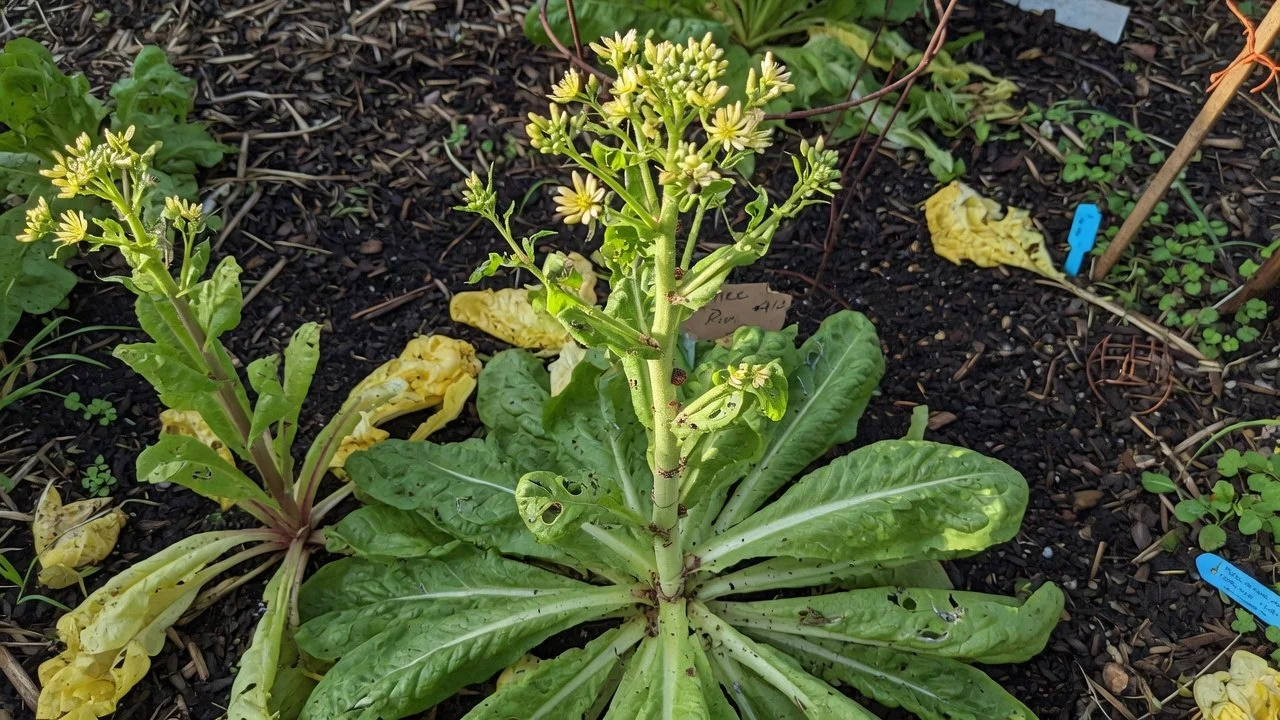
Leaf lettuce, spinach, arugula, and many other cool-season greens thrive in the mild temperatures of early spring. They’re fast growers that give you quick harvests when little else is ready. But as soil and air temperatures consistently hit the 70s and 80s°F (21–27°C+), these plants interpret the heat as a cue to reproduce. Energy shifts from leaf production to flowering and seed-setting, resulting in bitter, tough greens and a sudden end to your salad supply.
Bolting is a natural survival mechanism, not a gardening failure. The key is planning ahead so you’re ready to pull those spent plants and replace them with crops that love the heat.
The Perfect Summer Swap: Lettuce Out, Summer Squash In
Summer squash (zucchini, yellow crookneck, pattypan) makes an excellent replacement for bolted lettuce.
Here’s why:
Heat tolerance: Squash thrives in full sun and warm soil (ideally 70°F+).
Fast and productive: Most varieties produce harvestable fruit in 45–60 days and keep pumping out veggies for weeks if you pick regularly.
Space efficiency: A few hills or plants can fill the space left by a 4x4-foot bed of lettuce.
Nutritional payoff: You’ll trade delicate spring greens for versatile, prolific summer staples perfect for grilling, sautéing, or hiding in baked goods.
Other strong summer replacements depending on your space and preferences:
Bush beans or pole beans
Tomatoes, peppers, or eggplants (if not already started)
Cucumbers (great on trellises)
Basil, okra, or sweet potatoes in warmer zones
Succession Planning:
Your Garden’s Secret Weapon
Succession planting simply means planning staggered plantings and purposeful crop transitions so you never have a feast-or-famine situation. It maximizes your garden’s output and keeps fresh food coming to the table all season.
Benefits of succession planning:
Continuous harvest: Instead of one big glut of lettuce in May and nothing in July, you get steady production.
Better space use: Small or urban gardens especially benefit from turning every square foot multiple times per season.
Soil health: Rotating crop families (leafy greens → fruiting vines → legumes) reduces pest and disease buildup and naturally balances nutrients.
Climate resilience: You adapt to your specific microclimate rather than fighting it.
How to execute a smooth spring-to-summer transition:
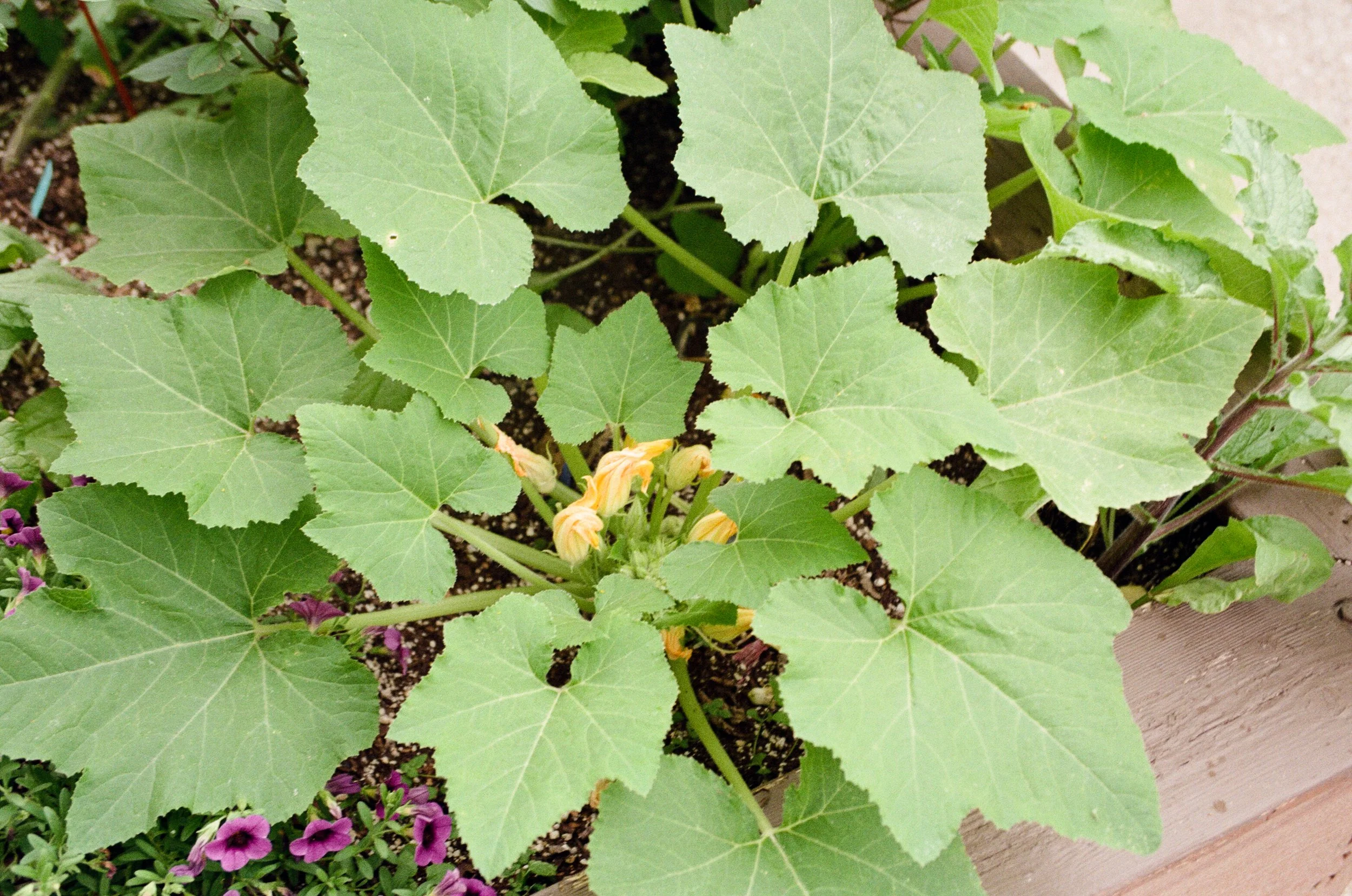
Monitor and harvest aggressively — Start pulling bolted lettuce as soon as it shows signs. Cut-and-come-again varieties can buy you a little extra time, but don’t wait too long.
Clear and refresh the bed — Remove roots and debris. Add a thin layer of compost and a balanced organic fertilizer to replenish nutrients depleted by the fast-growing spring crop.
Direct sow or transplant — Many summer squash varieties germinate quickly in warm soil. Plant 2–3 seeds per hill, 2–3 feet apart, and thin to the strongest plant. Water consistently until established.
Stagger your plantings — Sow a few squash every 2–3 weeks for an extended harvest. Do the same with beans or cucumbers.
Think ahead for fall — As summer squash winds down in late summer, you can replace it again with cool-season crops like kale, carrots, or broccoli for a second (or third) round.
Pro Tips from the Garden
Mulch matters: After transplanting or sowing summer crops, apply 2–3 inches of straw or wood chips to retain moisture and suppress weeds during the hottest months.
Companion planting: Grow basil or marigolds near squash to help deter pests.
Record keeping: Note dates, varieties, and results in a simple garden journal. Next year you’ll have data specific to your yard.
Water wisely: Squash are thirsty once they start fruiting—aim for deep, consistent watering rather than daily sprinkles.
Embrace the Rhythm of the Garden
Succession planting turns gardening from a one-and-done spring sprint into a satisfying season-long dance. By swapping out your bolting leaf lettuce for vigorous summer squash and planning transitions thoughtfully, you’ll enjoy higher yields, healthier soil, and far fewer gaps in your harvest.
Whether you’re growing in raised beds in West Virginia or containers on a sunny patio, this approach makes your garden work with the seasons instead of against them. The early greens give way gracefully to the abundance of summer, and you get to eat the rewards every step of the way.