Seed Saving 101
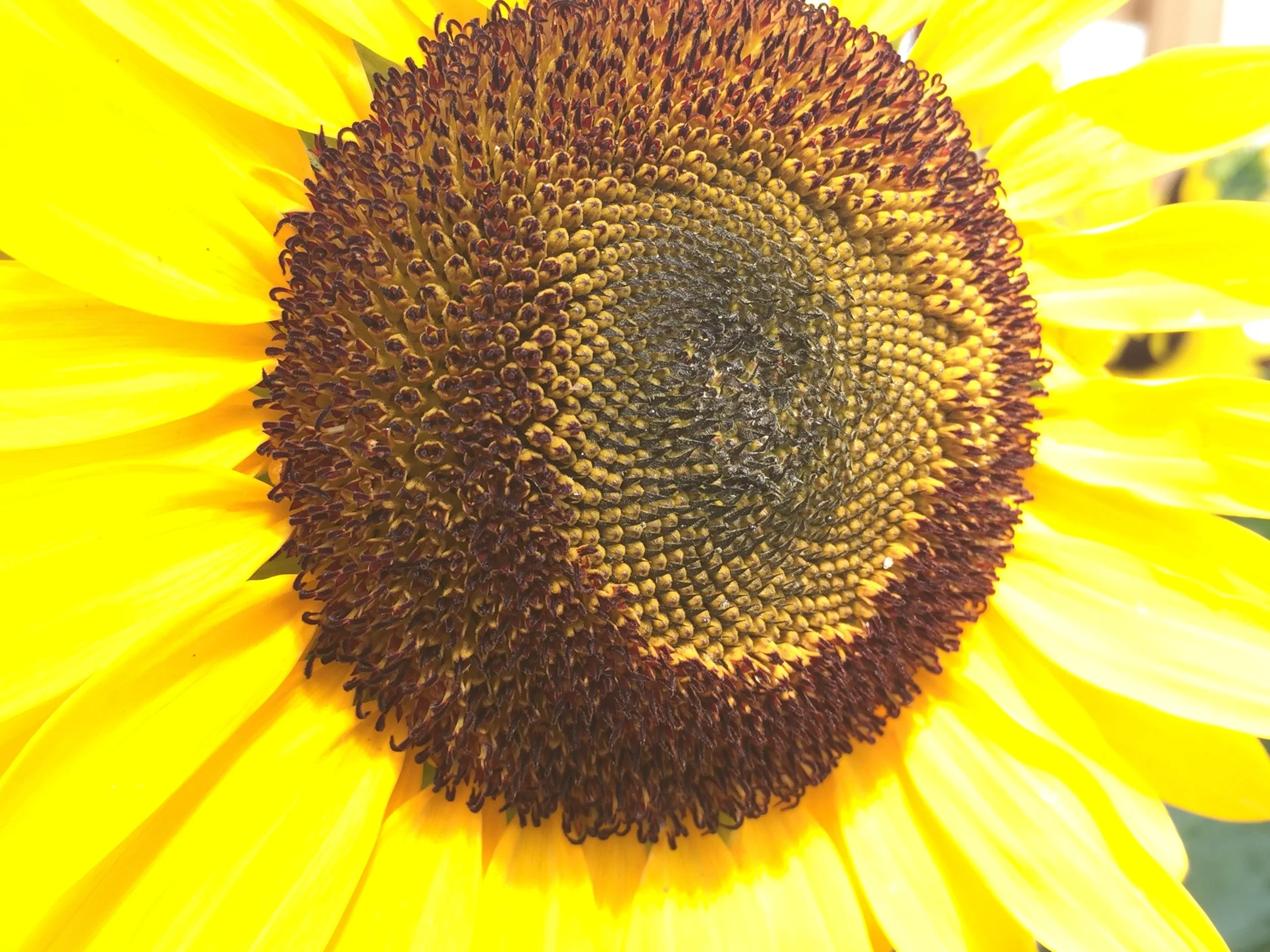
Sunflower bloom with seeds.
As the garden season winds down across the Mid-Ohio Valley, many of us start looking at our tomato vines, bean plants, and flower beds with a new question: “Can I save seeds from these for next year?”
The answer is often yes—and it’s one of the most satisfying, practical ways to keep growing flowers, friends, and family year after year. Seed saving connects us to the same rhythms our parents and grandparents followed, and it lets us carry favorite open-pollinated varieties forward from our own greenhouses and gardens.
Here’s a straightforward guide to getting started with vegetable and flower seeds at the end of the season.
Why Save Seeds?
You keep the varieties that performed best in your soil and climate.
You reduce the need to buy new seed every spring.
You can share extras with neighbors, family, and friends—true Mid-Ohio Valley style.
It’s a quiet, rewarding way to stay connected to the garden after the main harvest is finished.
Choose the Right Plants
Not every plant is ideal for seed saving. Look for open-pollinated or heirloom varieties. These come true from seed, meaning the plants you grow next year should closely resemble the parent. Hybrid varieties (often labeled F1) usually do not come true and can produce unpredictable results.
Good candidates we see thriving in local gardens include many beans, peas, tomatoes, peppers, lettuce, and a wide range of flowers such as zinnias, marigolds, cosmos, and sunflowers.
Timing Matters
In our area (roughly USDA Zone 6), the first hard frost typically arrives in mid-to-late October. Seeds need to reach full maturity before that happens.
Let fruits and seed heads stay on the plant as long as possible.
For many crops, that means leaving them well past the stage you’d normally harvest for eating.
Watch the weather and bring in any nearly-ready material if an early cold snap is forecast.
Saving Vegetable Seeds
Dry-seeded crops (beans, peas, lettuce, many herbs) Allow pods or seed heads to dry on the plant until they are brown and brittle. Shell or thresh the seeds, remove any debris, and spread them on a screen or paper plate in a warm, dry, well-ventilated spot for another week or two.
Wet-seeded crops (tomatoes, cucumbers, melons, squash) Scoop the seeds and surrounding gel into a jar with a little water. Let the mixture ferment for a few days (you’ll see a layer of mold form on top). This removes the germination-inhibiting gel and helps kill some seed-borne diseases. Rinse thoroughly, then dry the clean seeds on a paper towel or screen until they are completely dry and rattle when shaken.
Peppers Simply scoop the seeds from fully ripe (usually red or colored) peppers and dry them thoroughly. No fermentation needed.
Note: Some crops (squash, cucumbers, corn) readily cross-pollinate. If you grow more than one variety and want pure seed, you’ll need isolation distance or hand-pollination techniques. For first-time savers, start with self-pollinating crops like tomatoes, beans, and lettuce.
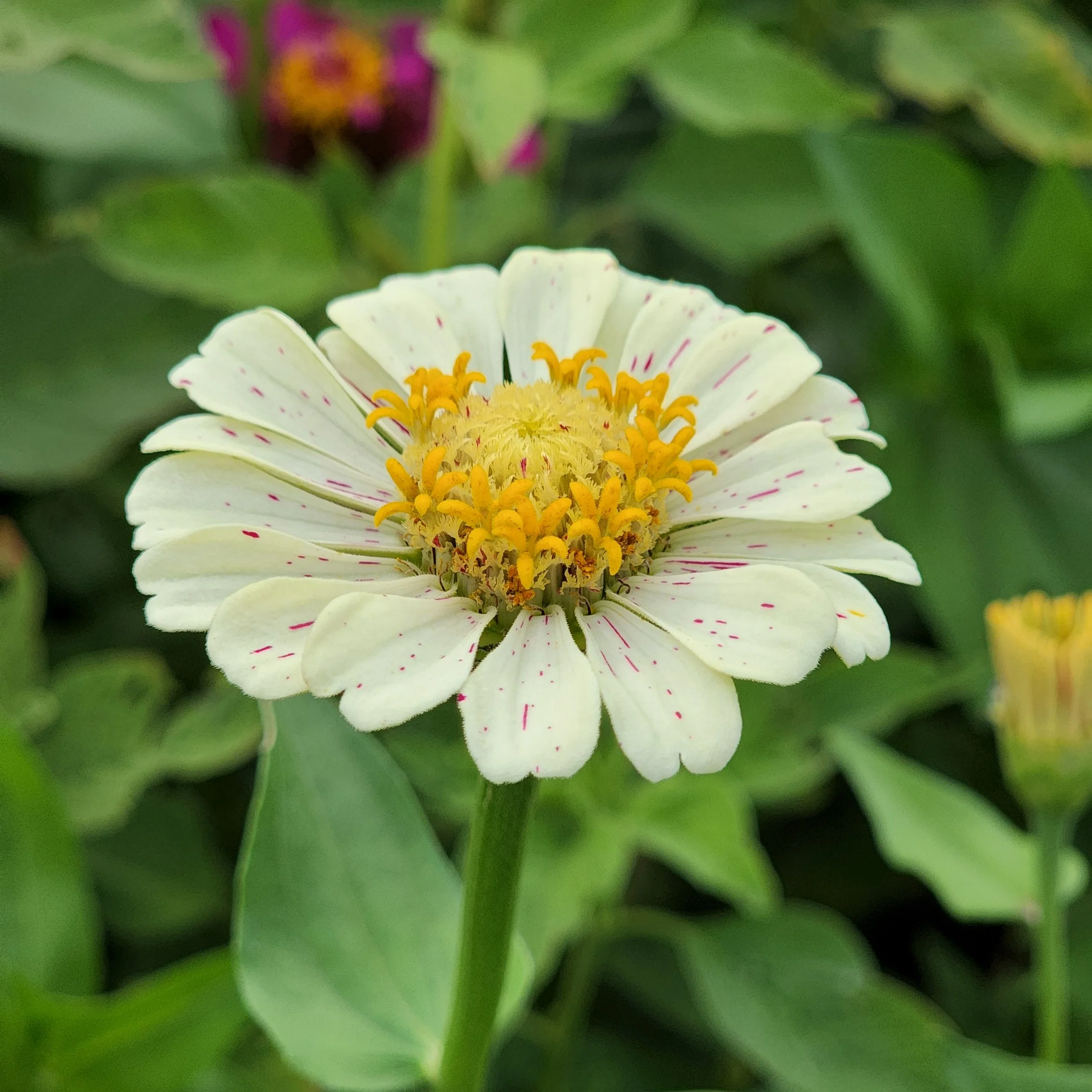
Saving Flower Seeds
Many annual flowers make seed saving easy.
Zinnias, marigolds, and cosmos form dry seed heads that can be cut and shaken into a bag or paper envelope once fully mature and dry.
Sunflowers: leave the heads until the backs turn yellow-brown and the seeds loosen.
Collect on a dry day and finish drying indoors if needed.
Label everything clearly with the variety name and the year. You’ll thank yourself next spring.
Cleaning, Drying & Storing
Remove chaff, bits of plant material, and any damaged seeds.
Make sure seeds are bone dry—any remaining moisture invites mold in storage.
Store in paper envelopes or small jars in a cool, dark, dry place. A refrigerator (not the freezer for most home-saved seed) works well for longer-term storage.
Add a small packet of silica gel or a few grains of dry rice if humidity is a concern.
Most properly stored vegetable and flower seeds remain viable for several years, though germination rates gradually decline.
A Few Practical Tips from the Mid-Ohio Valley
Start small. One or two of your best tomato plants and a favorite zinnia bed are plenty for a first season.
Keep notes. A simple notebook or labeled envelopes help you remember what worked.
Share the extras. Seed exchanges with friends and family are one of the best parts of the process.
Next spring, when you’re ready for fresh starts, stop by your local Bob’s Market. Our greenhouses will be full of quality vegetable and flower plants grown right here in Mason—perfect for filling any gaps or trying something new.
Saving seed is quiet work that pays off for seasons to come. It’s one more way we keep growing together in the Mid-Ohio Valley.