How to Make Leaf Mold
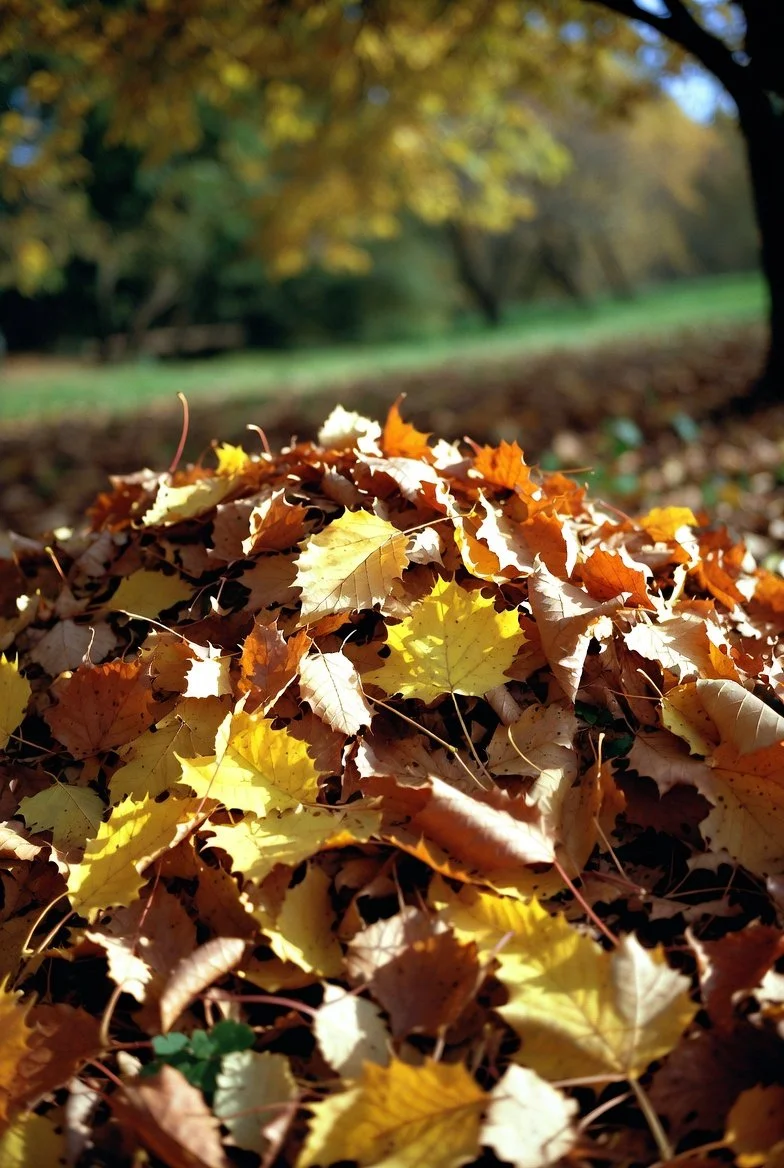
As autumn sweeps in and leaves blanket your yard, you might see a chore—but what if those leaves could become a garden treasure? Leaf mold, a rich, crumbly organic material made from decomposed leaves, is a fantastic soil amendment that improves structure, retains moisture, and nourishes plants. Best of all, it’s free, eco-friendly, and easy to make. Here’s a step-by-step guide to turning your fall leaves into black gold for your garden.
What Is Leaf Mold?
Leaf mold is simply decomposed leaves that have broken down into a dark, earthy material. Unlike compost, which includes a mix of organic matter, leaf mold is made solely from leaves and relies on fungal decomposition rather than bacterial processes. The result is a lightweight, moisture-retaining product that’s perfect for mulching, amending soil, or even creating seed-starting mixes.
Why Make Leaf Mold?
Improves Soil Structure: Leaf mold adds organic matter, helping sandy soils retain water and loosening heavy clay soils.
Retains Moisture: It acts like a sponge, keeping soil moist for longer.
Eco-Friendly: It recycles yard waste, reducing landfill contributions.
Cost-Free: All you need are leaves, time, and a little patience.
What You’ll Need
Fallen leaves (preferably from deciduous trees like oak, maple, or beech)
A rake or leaf blower
A container (e.g., wire bin, plastic bags, or a dedicated pile)
Optional: Lawn mower or shredder
Water (if leaves are very dry)
Time (6 months to 2 years, depending on method)
Step-by-Step Guide to Making Leaf Mold
1. Collect Your Leaves
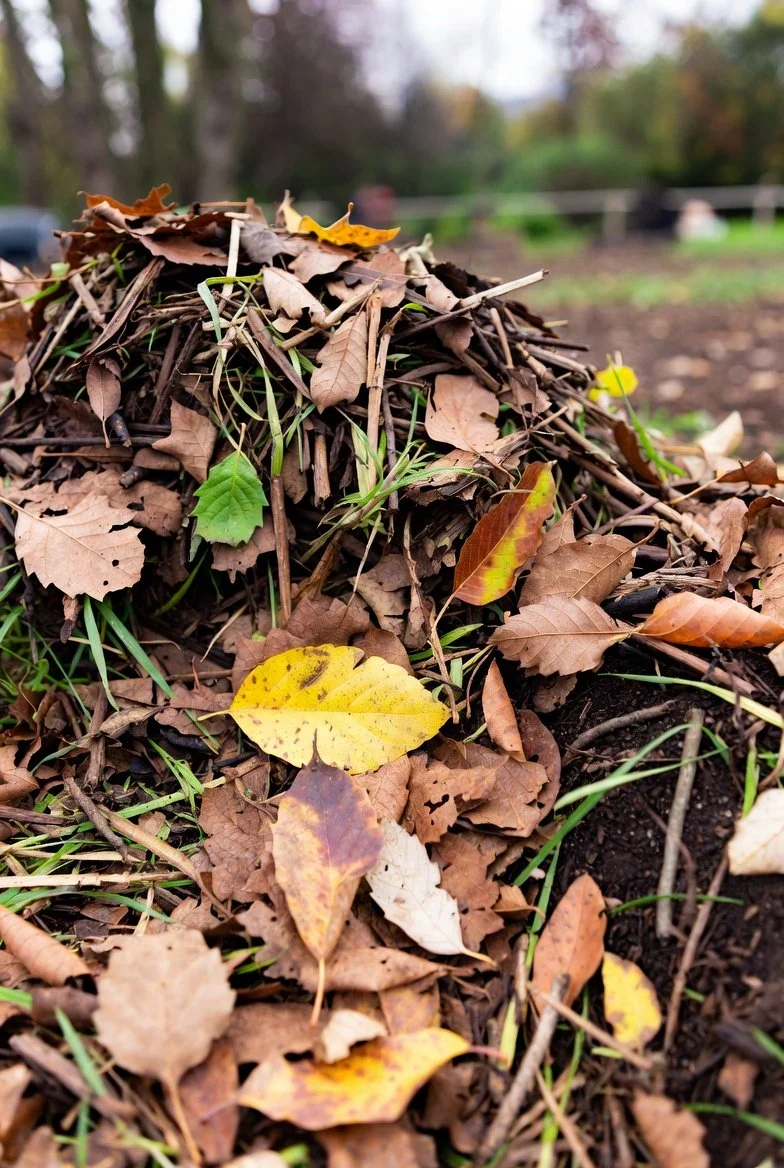
Rake or blow leaves from your yard, focusing on deciduous leaves, which break down faster than evergreen needles (though pine needles can work with more time). Avoid leaves from trees like walnut, which may contain chemicals that inhibit plant growth. If possible, gather leaves when they’re dry to make handling easier.
Pro Tip: Check for diseased leaves or those with pests and exclude them to prevent spreading issues in your garden.
2. Shred the Leaves (Optional)
Shredding leaves speeds up decomposition by increasing surface area. Run a lawn mower over the pile or use a leaf shredder. Smaller pieces break down faster and create a finer-textured leaf mold. If you prefer a low-effort approach, you can skip this step, but expect a longer wait.
3. Choose Your Method
There are two main ways to make leaf mold, depending on your space and preference:
Leaf Pile or Bin: Create a pile in a corner of your yard or build a simple bin using chicken wire, wooden pallets, or stakes. Aim for a pile at least 3 feet wide and 3 feet tall to retain heat and moisture. Place the pile in a shaded, moist area to encourage fungal activity.
Plastic Bag Method: Fill heavy-duty plastic bags (like trash bags) with leaves. Poke a few holes in the sides for air circulation. This method is ideal for small spaces or if you want a contained setup.
4. Moisten the Leaves
Leaves should be slightly damp, like a wrung-out sponge, to promote decomposition. If they’re dry, sprinkle water over the pile or into the bags. Avoid soaking them, as too much moisture can cause rot and unpleasant odors.
5. Store and Wait
Place your pile or bags in a spot where they won’t be disturbed. Decomposition is driven by fungi, which thrive in cool, moist conditions, so a shaded area works best. Check periodically to ensure the leaves stay damp but not soggy. If using bags, shake them every few months to aerate and mix the contents.
Timeline: Shredded leaves may take 6–12 months to become leaf mold, while unshredded leaves can take 1–2 years. You’ll know it’s ready when the leaves are dark, crumbly, and have an earthy smell.
6. Use Your Leaf Mold
Once ready, leaf mold can be used in several ways:
Mulch: Spread a 2–3 inch layer around plants to suppress weeds, retain moisture, and regulate soil temperature.
Soil Amendment: Mix into garden beds to improve soil texture and fertility.
Potting Mix: Combine with compost and sand for a nutrient-rich seed-starting or potting mix.
Lawn Care: Sprinkle finely sifted leaf mold over grass to improve soil health.
Tips for Success
Mix Leaf Types: Combining different types of leaves (e.g., thin maple leaves with thicker oak leaves) can balance decomposition speed and nutrient content.
Be Patient: Leaf mold takes time, but the wait is worth it for the quality of the final product.
Avoid Contaminants: Keep out non-organic debris like plastic or treated wood chips.
Turn Occasionally: If using a pile, turn it every few months to speed up decomposition and prevent matting.
Common Mistakes to Avoid
Using Diseased Leaves: These can spread pathogens to your garden.
Overwatering: Too much water can lead to a slimy mess instead of crumbly leaf mold.
Impatience: Don’t rush the process—fully decomposed leaf mold is far more effective than partially broken-down leaves.
Environmental Benefits
Making leaf mold isn’t just good for your garden—it’s great for the planet. By recycling leaves, you reduce yard waste sent to landfills, where organic matter can release methane, a potent greenhouse gas. Plus, leaf mold reduces the need for chemical fertilizers, promoting a healthier ecosystem.
Final Thoughts
Turning fallen leaves into leaf mold is a simple, sustainable way to enrich your garden while reducing waste. With minimal effort and a bit of patience, you’ll transform a seasonal nuisance into a valuable resource. So, grab your rake, gather those leaves, and let nature do the rest. Your plants (and the planet) will thank you!