Hardening Off Indoor Starts
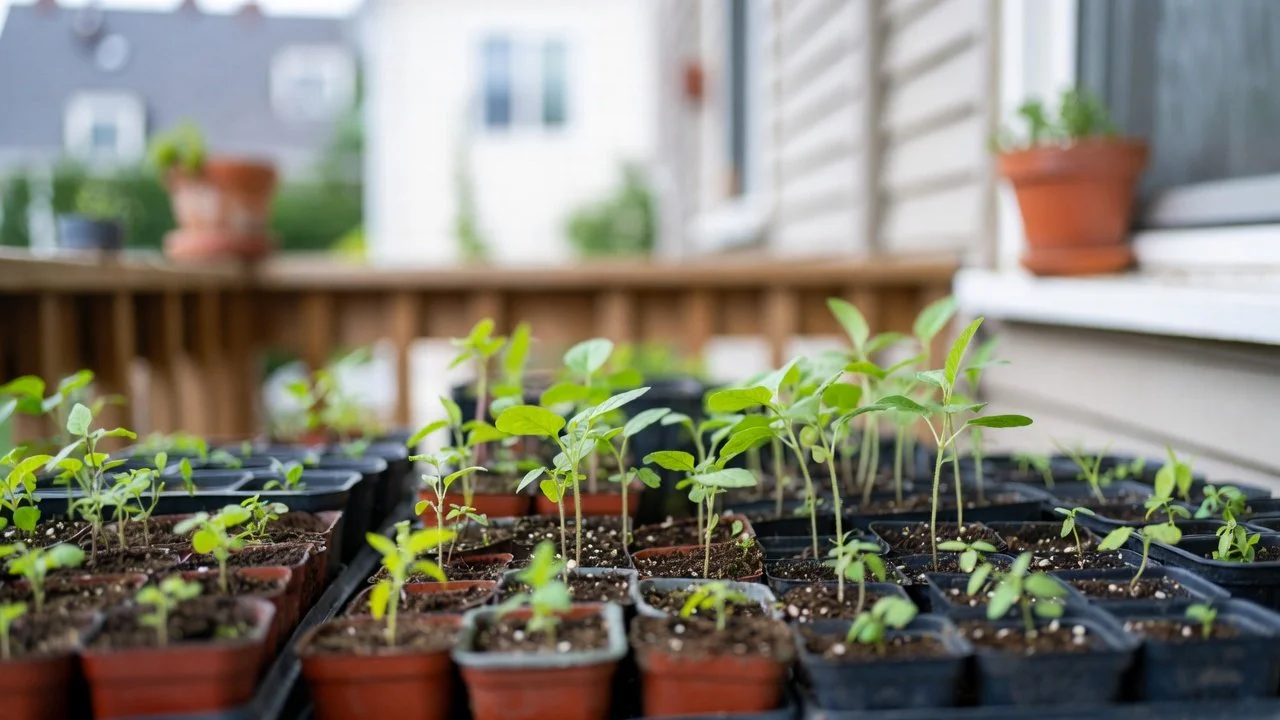
Starting seeds indoors is one of the most rewarding parts of gardening. You get a head start on the season, control the environment, and watch tiny sprouts turn into sturdy little plants. But there’s a make-or-break moment that many new gardeners overlook: hardening off.
Skip this step and your beautiful seedlings can suffer sunscald, wind damage, or temperature shock that sets them back weeks—or kills them outright. Done right, hardening off turns your pampered indoor babies into tough, garden-ready plants.
What Is Hardening Off?
Hardening off is the process of gradually acclimating seedlings to outdoor conditions—stronger sunlight, fluctuating temperatures, wind, and lower humidity. Indoor environments are stable and sheltered. Outdoors is anything but. This transition thickens cell walls, strengthens stems, and adjusts the plant’s physiology so it can thrive in the real world.
Most seedlings need 7–14 days of hardening off before transplanting, depending on your climate and the type of plant.
Why Bother? The Science (and Reality) Behind It
Plants grown under grow lights or sunny windows develop thin, tender leaves optimized for low light and still air. Move them straight outside and:
Intense UV light can scorch leaves in hours.
Wind desiccates foliage and snaps weak stems.
Cool nights can shock warm-season crops like tomatoes and peppers.
Hardened-off plants have thicker cuticles (waxy leaf coatings), more developed root systems relative to top growth, and better resistance to pests and disease. The few extra days pay off with faster establishment and higher yields.
Step-by-Step Guide to Hardening Off Seedlings
Timing: Begin 1–2 weeks before your last expected frost date (or when nights consistently stay above the minimum for your crops). Check your local frost dates.
Day 1–2: Place seedlings in a sheltered, shady spot outdoors for 1–2 hours. A porch, under a tree, or against a south-facing wall works well. Bring them back inside at night.
Day 3–4: Increase to 3–4 hours. Introduce a bit more dappled light. Keep them protected from strong winds.
Day 5–7: Extend to 5–6 hours and allow some direct morning sun (the gentlest). Leave them out overnight if temperatures stay above 45–50°F (7–10°C) for cool-season crops or 55°F+ (13°C) for warm-season ones.
Day 8–10+: Full days outdoors with increasing direct sun. By the end, they should handle all-day sun and normal garden conditions. Continue bringing tender plants inside if frost threatens.
Pro Tip: Use a cold frame, hoop house, or old cardboard boxes on windy days for extra protection. You can gradually open the lid more each day.
Watering and Care During Hardening Off
Water in the morning so foliage dries before night.
Seedlings dry out faster outside—check soil daily.
Reduce watering slightly toward the end to encourage deeper roots (but don’t let them wilt).
Avoid fertilizing during this period; you want steady, not lush, growth.
Signs of Stress and What to Do
Wilting: Normal short-term response to wind/sun. Provide shade and water. If it persists, shorten outdoor time.
Leaf scorch or white spots: Too much direct sun too soon. Move to shade immediately.
Purpling stems/leaves: Often cold stress (especially tomatoes). Bring inside.
Leggy growth: They may stretch a bit—normal. Bury deeper when transplanting.
Special Considerations by Plant Type
Cool-season crops (lettuce, kale, broccoli, onions): Can handle cooler temps and go out earlier.
Warm-season crops (tomatoes, peppers, eggplant, basil): Need warmer nights and more careful protection.
Flowers: Many annuals (zinnias, marigolds) harden off similarly to vegetables.
Common Mistakes to Avoid
Rushing the process.
Leaving plants out during high winds or heavy rain.
Forgetting to bring them in at night during early stages.
Hardening off in direct midday sun from day one.
Final Thoughts
Hardening off might feel like extra work, but it’s the bridge that turns fragile seedlings into productive garden plants. Once you’ve done it a few times, it becomes second nature—and your garden will thank you with healthier, more vigorous growth.
This year, give your indoor starts the proper send-off they deserve. Your future harvests will be worth it!