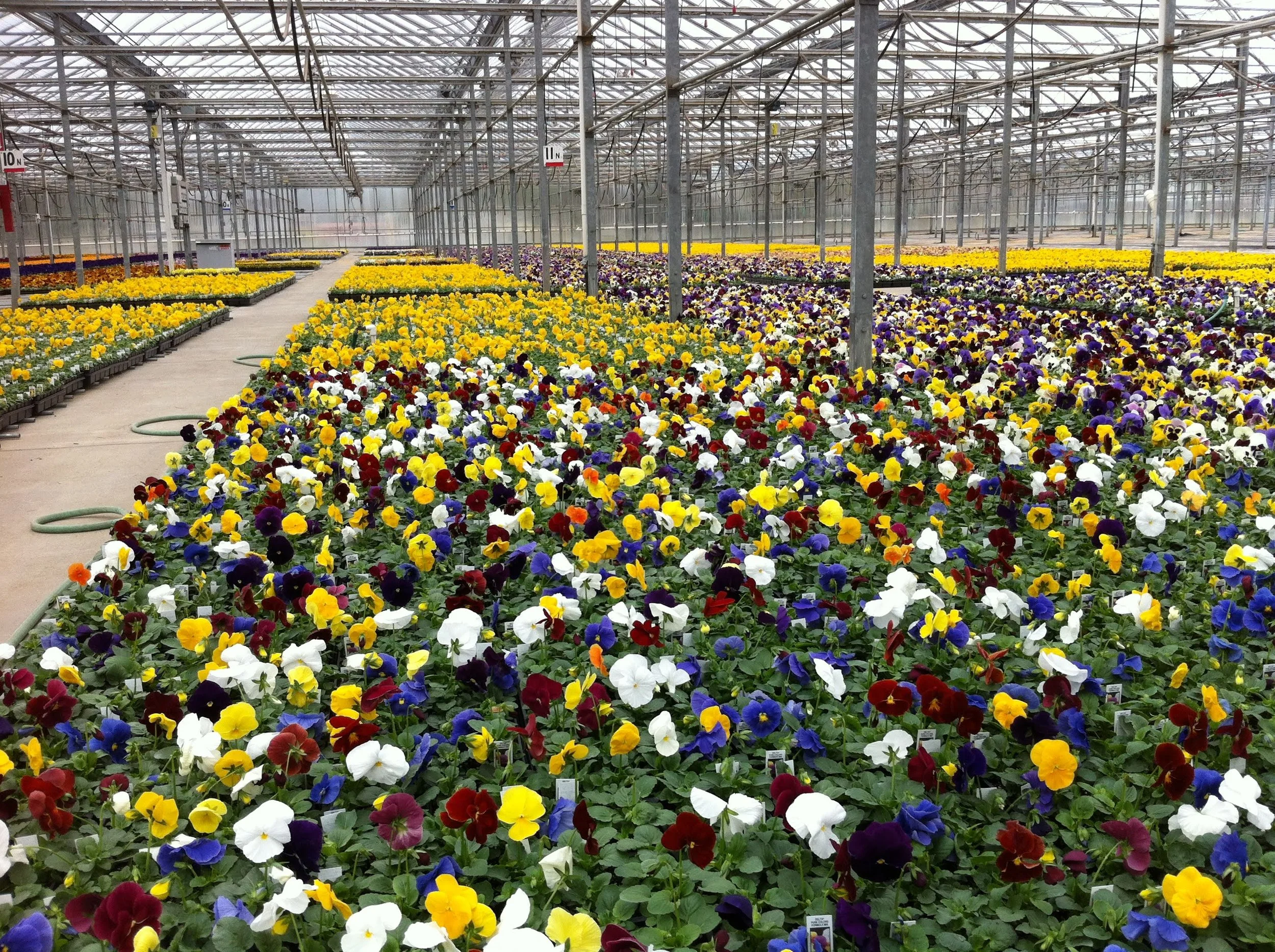
Wake Up Your Pansies
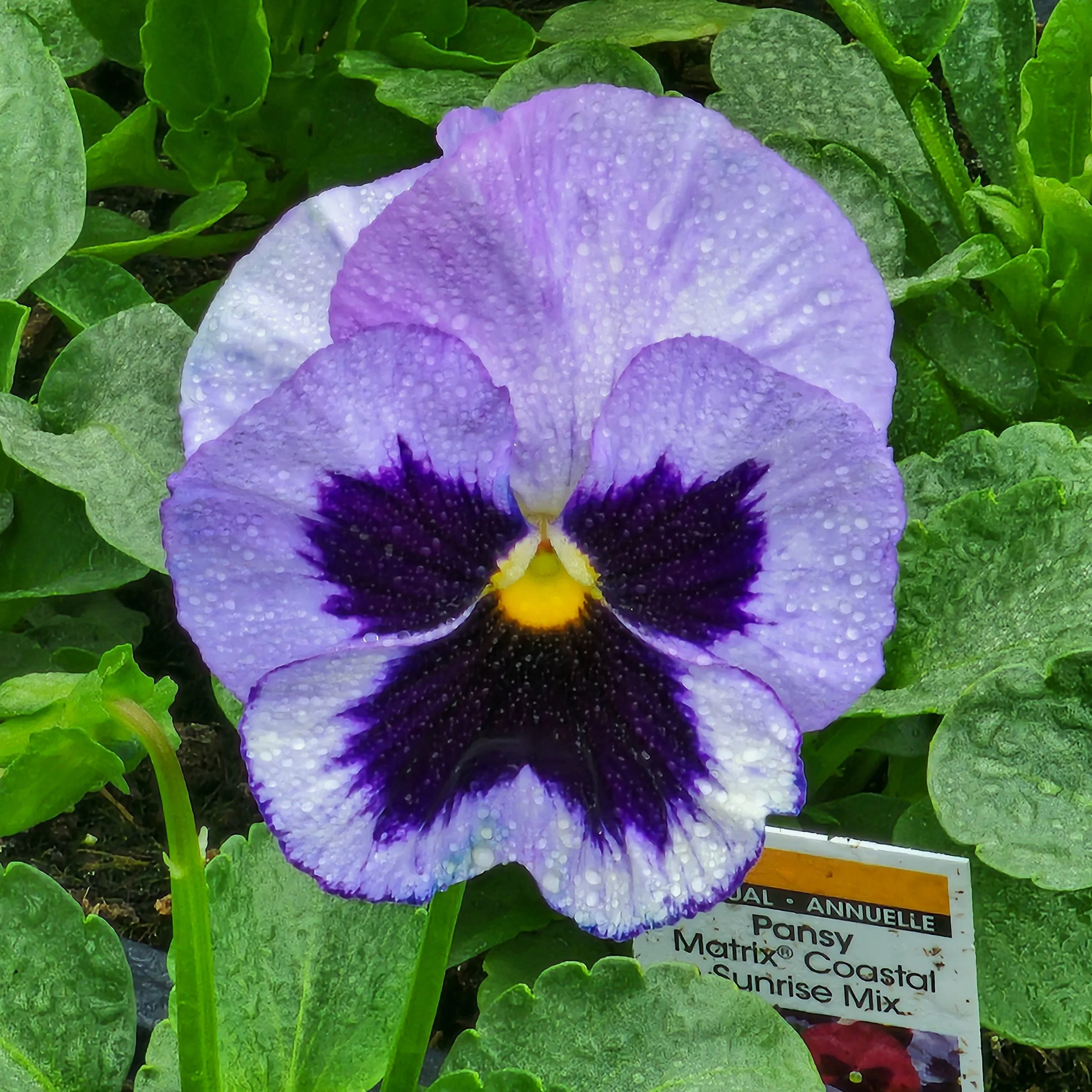
As the chill of winter begins to fade in March, your overwintered pansies are stirring from their dormant state, ready to burst back into colorful life. In places like West Virginia and Southeastern Ohio (typically USDA zones 6a-7a), these hardy little violas often survive the cold months—sometimes going fully dormant during the deepest freezes but rebounding beautifully as temperatures rise into the 40s and 50s°F. March is the perfect time to give them some TLC to encourage vigorous growth, abundant blooms, and a long season of cheerful flowers.
These resilient plants may look a bit ragged after winter: browned leaves, spent blooms from late fall, or leggy stems. Don't worry—they're tough! With the right care, your pansies will reward you with waves of vibrant blooms through spring (and possibly into early summer before heat takes over).
Step 1: Assess and Clean Up the Plants
Start by inspecting your pansy beds or containers on a mild March day.
Gently remove any remaining winter mulch (like pine straw or evergreen boughs) if you applied it for protection. This lets sunlight reach the crowns and prevents rot as the soil warms.
Prune away dead, damaged, or yellowed foliage and any lingering spent flowers. Use clean, sharp scissors or your fingers to snip back leggy stems to encourage bushier growth. Don't be afraid to cut back quite a bit—pansies respond well to a light trim in early spring.
Deadhead any old blooms promptly. Pinching off faded flowers just above a set of leaves prevents the plant from putting energy into seed production and stimulates new buds.
This cleanup step is crucial as pansies emerge from dormancy—it improves airflow, reduces disease risk, and redirects energy to fresh growth.
Step 2: Weed the Beds Thoroughly
Winter often leaves beds full of opportunistic weeds that compete for nutrients, water, and space.
Hand-pull weeds while the soil is still cool and moist (easier on roots). Get the entire root system to prevent regrowth.
Focus especially around the base of your pansies to avoid disturbing their shallow roots.
After weeding, apply a fresh 1-2 inch layer of organic mulch (like shredded bark or pine straw) around plants—but keep it a couple of inches away from stems to prevent rot.
A weed-free bed in March sets your pansies up for success as they ramp up growth.
Step 3: Water Wisely as Growth Resumes
Overwintered pansies needed little to no water during true dormancy, but now that they're waking up:
Check soil moisture regularly. Pansies prefer consistently moist (but not soggy) soil.
Water deeply when the top inch feels dry, ideally in the morning so foliage dries before evening.
In the Mid-Ohio Valley's variable March weather, aim for about 1 inch of water per week, supplementing rainfall as needed. Well-drained soil is key to avoid root rot.
Step 4: Fertilize for a Bloom Boost
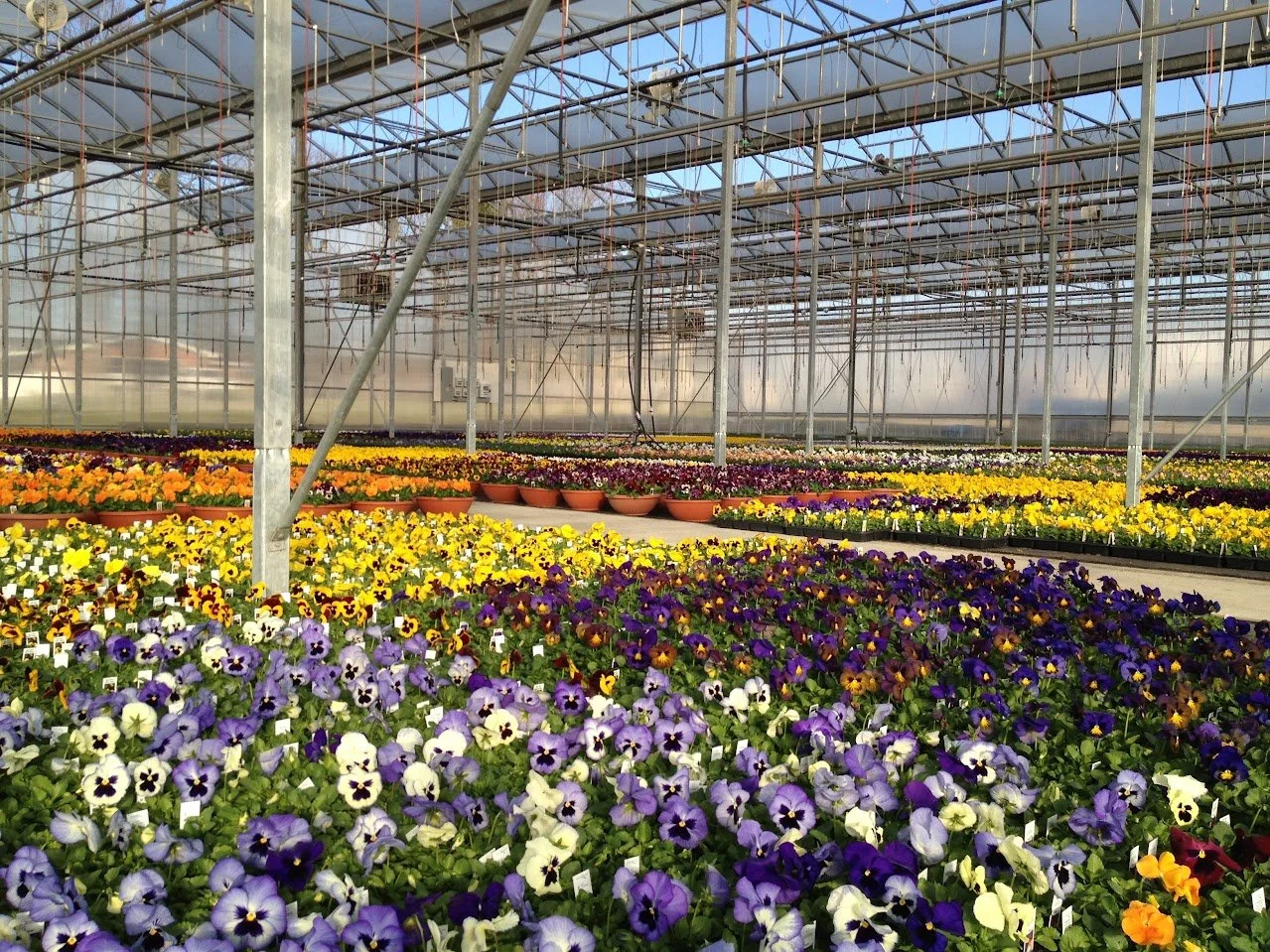
As pansies break dormancy and start producing new leaves and buds, they crave nutrients.
Apply a balanced, water-soluble fertilizer (like 10-10-10 or 20-20-20) or one higher in phosphorus (such as 15-30-15) to promote strong roots and flowers.
Start fertilizing every 2-3 weeks in March, diluting to half-strength if using liquid types to avoid burning tender new growth.
Alternatively, sprinkle a slow-release granular fertilizer around the base for steady feeding over the coming weeks.
Avoid high-nitrogen formulas, which push leafy growth at the expense of blooms.
This spring feeding gives your pansies the energy for an spectacular display.
Additional Tips for March Success
Sunlight: Ensure they get at least 6 hours of direct sun daily. In warmer afternoons, a bit of dappled shade helps as temperatures climb.
Pest/Disease Watch: Check for aphids or fungal issues (like powdery mildew) as humidity rises. Good airflow from cleanup helps prevent problems.
Containers vs. Beds: Potted pansies may need more frequent watering and can be moved if late frosts threaten.
Enjoy the Show: With this care, expect a profusion of blooms starting in March/April, lasting until warmer summer weather (above 75-80°F) causes them to fade.
March revitalization turns your overwintered pansies from survivors into stars of the spring garden. Grab your gloves, enjoy the fresh air, and watch those "little faces" smile again!